

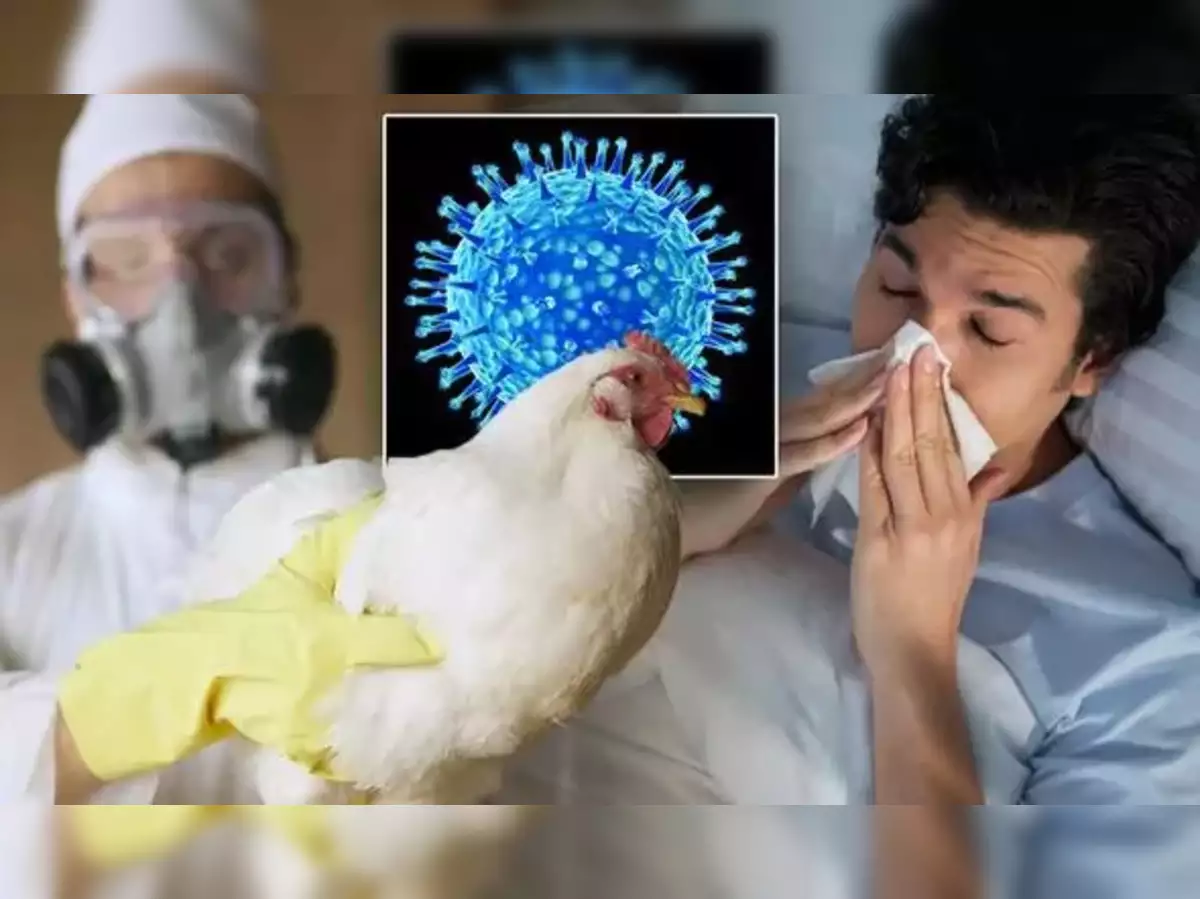
The World Health Organization (WHO) has confirmed the first human death caused by bird flu, following a surge in cases globally. The victim, a 59-year-old resident of Mexico, succumbed to avian influenza A (H5N1), marking the first documented human case of the virus.
The individual passed away on April 24 in Mexico City after experiencing symptoms including fever, shortness of breath, diarrhea, nausea, and general discomfort. While the exact source of exposure to the virus remains unknown, A(H5N2) viruses have been previously reported in poultry in Mexico.
This development has prompted concerns about the potential spread of avian flu, particularly given its lethality and the possibility of human-to-human transmission. The WHO emphasized that although cases of bird flu have been identified in various mammals, including seals, raccoons, bears, and cattle, the current risk to the general population remains low.
What Is H5N1 Virus That Causes Bird Flu?
The H5N1 virus, known to cause bird flu in common parlance, has sparked both curiosity and concern given its effects on poultry and prospective health risks to humans. In this piece, we dissect the ins and outs of this pathogen, covering its attributes, spread, and how to curb its transmission.
Human Transmission of Bird Flu Virus
The H5N1 virus is essentially a distinct variant of Influenza A virus, notoriously attacking birds like chickens and turkeys. Its domain is normally limited to the bird realm, yet certain strains sometimes leap species, causing bird flu cases among humans. It spreads through direct interaction with infected birds or their waste, creating a significant hazard for those in contact with poultry, like farm workers or bird handlers.
Symptoms of H5N1 Virus Infection
For human sufferers, the H5N2 virus often mirrors an aggressive flu, unveiling symptoms such as fever, coughing, sore throat, and body aches. It can escalate to breathing challenges and pneumonia, especially among individuals with compromised immunity. Swift recognition and therapeutic intervention are critical to address symptoms and curtail the virus’s subsequent contraction by others.
The scientific community is relentlessly dissecting the H5N1 virus to ascertain its traits and formulate efficient containment tactics. Monitoring endeavors are underway to oversee infection outbreaks, map the virus’s trajectory, and spotlight any possible mutations that may amplify its infectious or harmful nature.














Leave a comment