

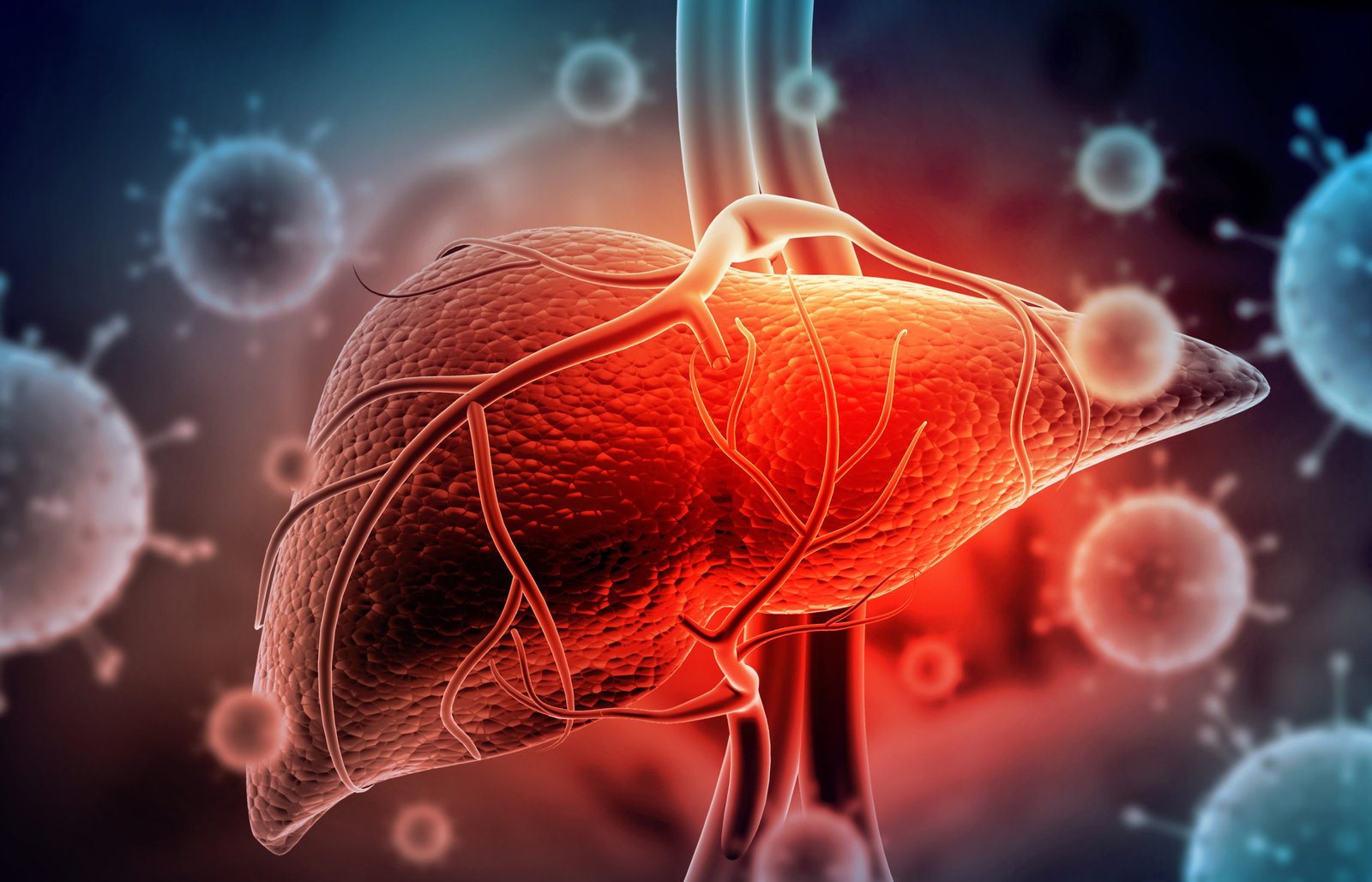
The World Health Organization (WHO) announced on Wednesday that it has approved the first self-test for hepatitis C, a major step forward in the fight against the viral infection. The OraQuick HCV self-test “can provide critical support in expanding access to testing and diagnosis,” WHO said in a press release. This kit is made by OraSure Technologies and is an extension of the OraQuick® HCV Rapid Antibody Test, which was approved by WHO in 2017 for use by healthcare professionals.
Prequalification by the UN’s health agency means that the medicines meet high standards of quality, safety, and effectiveness. “The addition of this product to the WHO prequalification list provides a safe and effective way to expand HCV testing and treatment services, ensuring more people receive the diagnoses and treatment they need, and ultimately contributing to the global goal of HCV elimination,” said Dr. Meg Doherty, Director of the Department of Global HIV, Hepatitis and STI Programmes.
A Dangerous Virus
Hepatitis C is a virus that attacks the liver and can cause serious illness, both short-term and long-term. It spreads through contact with infected blood, such as sharing needles or unscreened blood transfusions. Some sexual practices that lead to blood exposure can also spread the virus.
According to WHO, about 50 million people have chronic hepatitis C infection, and around a million new infections occur every year. In 2022, approximately 242,000 people died from hepatitis C, mainly due to liver cirrhosis and primary liver cancer.
In 2021, WHO recommended self-testing to complement existing testing services. Evidence shows that self-testing increases access to and uptake of services, especially for people who might not otherwise get tested.
Expanding Testing and Treatment
Dr. Doherty highlighted the urgent need for more testing and treatment, stating that 3,500 lives are lost each day to viral hepatitis. She also pointed out that “of the 50 million people living with hepatitis C, only 36 per cent had been diagnosed, and 20 per cent have received curative treatment by the end of 2022.”
Dr. Rogério Gaspar, WHO Director for the Department of Regulation and Prequalification, emphasized the importance of making self-tests available in low and middle-income countries. He said that “the availability of a WHO prequalified HCV self-test enables low and middle-income countries to have access to safe and affordable self-testing options which is essential to achieving the goal of 90 per cent of all people with HCV to be diagnosed.”
WHO will continue to assess more HCV self-tests and work with communities to make testing options available to all countries.











Leave a comment