

Heart problems are usually associated with older adults, but they can also affect young people in their 20s. Early detection is key to preventing serious issues. Here are some warning signs to watch out for and tips on maintaining a healthy heart.
Unexplained Fatigue
Feeling unusually tired even after a full night’s sleep can be a sign of heart trouble. Fatigue might indicate that your heart is not pumping blood efficiently. This condition, known as heart failure, can make it difficult for the heart to meet the body’s needs, leading to tiredness and exhaustion.
Shortness of Breath
If you find yourself struggling to catch your breath after minimal physical activity or while at rest, this could be a sign of a heart problem. Shortness of breath can occur when the heart cannot pump enough blood to supply oxygen to your muscles and tissues.
Chest Pain
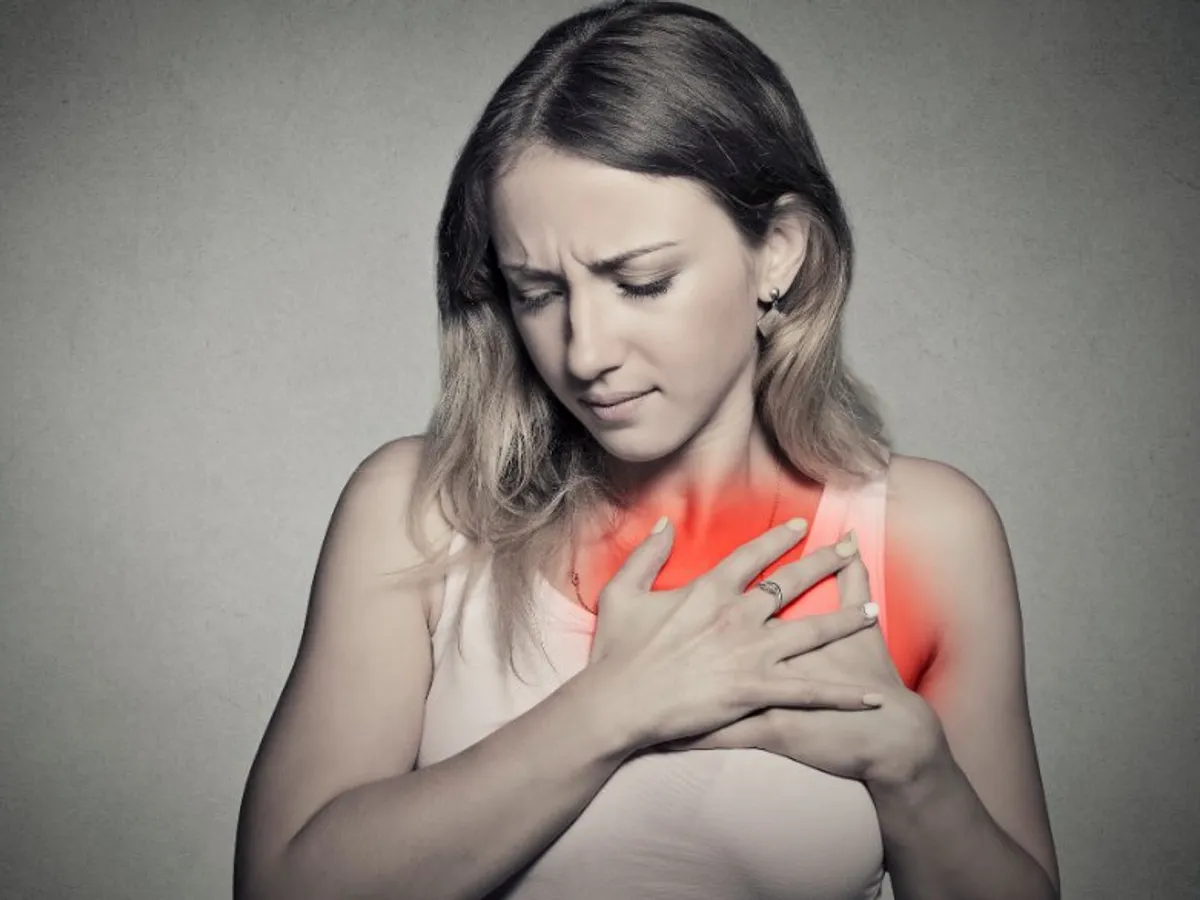
Chest pain is one of the most common signs of heart issues. It can range from a sharp, stabbing pain to a dull ache. If you experience chest pain, especially if it radiates to your arm, neck, or jaw, seek medical attention immediately. It could be a sign of angina or even a heart attack.
Irregular Heartbeat
An irregular heartbeat, or arrhythmia, can feel like your heart is skipping beats or fluttering. While occasional irregularities are usually harmless, frequent or severe arrhythmias can be a sign of a heart condition that needs medical evaluation.
Swelling in the Legs, Ankles, or Feet
Swelling in your lower extremities can be a sign that your heart is not pumping effectively. This can cause blood to back up in your veins and fluid to build up in your tissues, leading to swelling, also known as edema.
Dizziness or Fainting
Experiencing dizziness or fainting spells can be related to heart problems. These symptoms can occur if the heart is not pumping enough blood to your brain. If you frequently feel dizzy or faint, it’s important to get checked out by a doctor.
High Blood Pressure
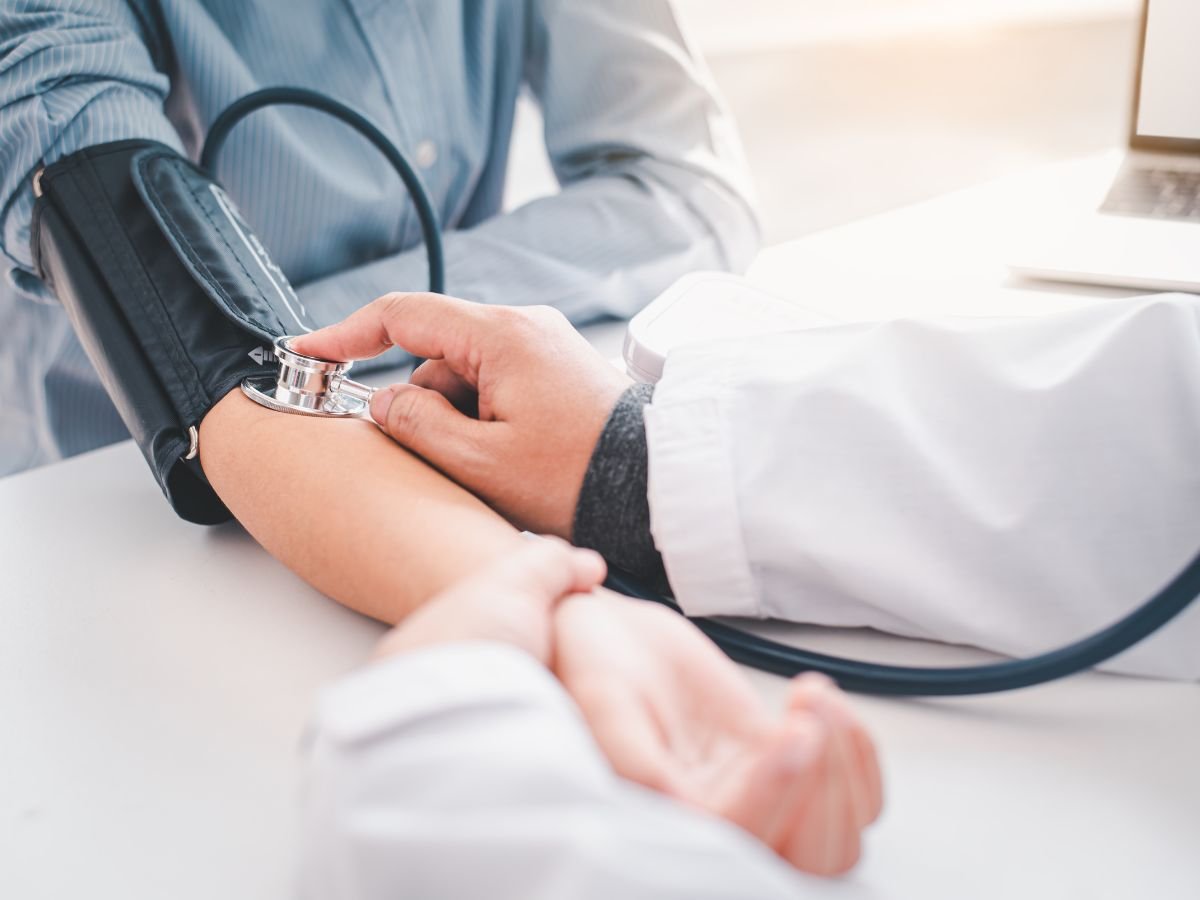
High blood pressure, or hypertension, often has no symptoms but can lead to serious heart issues if left untreated. Regularly monitoring your blood pressure is crucial, especially if you have a family history of hypertension or heart disease.
Lifestyle Factors
Certain lifestyle choices can increase your risk of heart problems. Smoking, excessive alcohol consumption, poor diet, lack of exercise, and high stress levels can all contribute to heart disease. Making healthier choices can significantly reduce your risk.
Family History
If you have a family history of heart disease, your risk is higher. Genetics play a role in your heart health, so it’s essential to inform your doctor about your family’s medical history. This information can help in early detection and prevention strategies.
Tips for a Healthy Heart
Eat a Balanced Diet
A diet rich in fruits, vegetables, whole grains, and lean proteins can help maintain heart health. Avoid excessive salt, sugar, and unhealthy fats. Opt for heart-healthy foods like nuts, seeds, and fish high in omega-3 fatty acids.
Exercise Regularly
Aim for at least 30 minutes of moderate exercise most days of the week. Activities like walking, cycling, and swimming can improve cardiovascular health. Regular exercise helps maintain a healthy weight, lowers blood pressure, and reduces stress.
Avoid Smoking and Limit Alcohol
Smoking significantly increases the risk of heart disease. If you smoke, seek help to quit. Limit alcohol intake to moderate levels – up to one drink per day for women and two for men.
Manage Stress
Chronic stress can negatively impact heart health. Practice stress-reducing techniques such as meditation, yoga, deep breathing exercises, or hobbies that you enjoy.
Regular Check-Ups
Regular medical check-ups can help detect heart issues early. Discuss any symptoms or concerns with your doctor, and ensure you get recommended screenings and tests.
Being aware of the warning signs and taking proactive steps can help protect your heart. Even in your 20s, it’s important to adopt a heart-healthy lifestyle and stay vigilant about any potential symptoms. Remember, early detection and prevention are the keys to a healthy heart and a long, vibrant life.










Leave a comment