Home Health Tips Visceral Obesity and Cardiovascular Risk: Reducing Heart Disease Risk Factors
Health Tips

Visceral Obesity and Cardiovascular Risk: Reducing Heart Disease Risk Factors

Share
Diabetes and Obesity
Share

Visceral obesity, commonly known as belly fat, can have a significant impact on cardiovascular health. This type of fat is located deep within the abdominal cavity and surrounds vital organs, increasing the risk of heart disease. Let’s explore how reducing visceral obesity can help lower cardiovascular risk factors:

Visceral fat differs from subcutaneous fat (fat located just beneath the skin) and is associated with higher health risks. It releases inflammatory substances that can contribute to insulin resistance, high blood pressure, and abnormal cholesterol levels.

Visceral obesity has been strongly linked to an increased risk of cardiovascular diseases such as heart attacks, strokes, and heart failure. The excess fat can lead to the development of atherosclerosis (hardening of the arteries) and plaque build-up, narrowing the blood vessels and impeding blood flow.

Making healthy lifestyle changes is crucial in reducing visceral obesity and improving cardiovascular health. Here are some key strategies:

a. Balanced Diet:

Adopting a balanced diet that includes whole grains, lean proteins, fruits, vegetables, and healthy fats can help manage weight and reduce visceral fat accumulation.

b. Regular Exercise:

Engaging in regular physical activity, such as aerobic exercises, strength training, and high-intensity interval training, can aid in weight management and reduce visceral fat.

c. Stress Management:

Chronic stress can contribute to weight gain and visceral obesity. Practicing stress-reducing techniques like meditation, yoga, or engaging in hobbies can help manage stress levels.

 d. Adequate Sleep:

Lack of sleep has been associated with weight gain and increased visceral fat. Aim for 7-9 hours of quality sleep each night to support overall health.

Regular check-ups and monitoring of health parameters such as blood pressure, blood sugar levels, and cholesterol levels are essential. This allows for early detection and management of risk factors associated with cardiovascular diseases.

Reducing visceral obesity plays a vital role in lowering cardiovascular risk factors. By adopting a healthy lifestyle that includes a balanced diet, regular exercise, stress management, and adequate sleep, individuals can improve their cardiovascular health and reduce the risk factors associated with visceral obesity.

Share

Leave a comment

Leave a Reply

Your email address will not be published. Required fields are marked *

Don't Miss

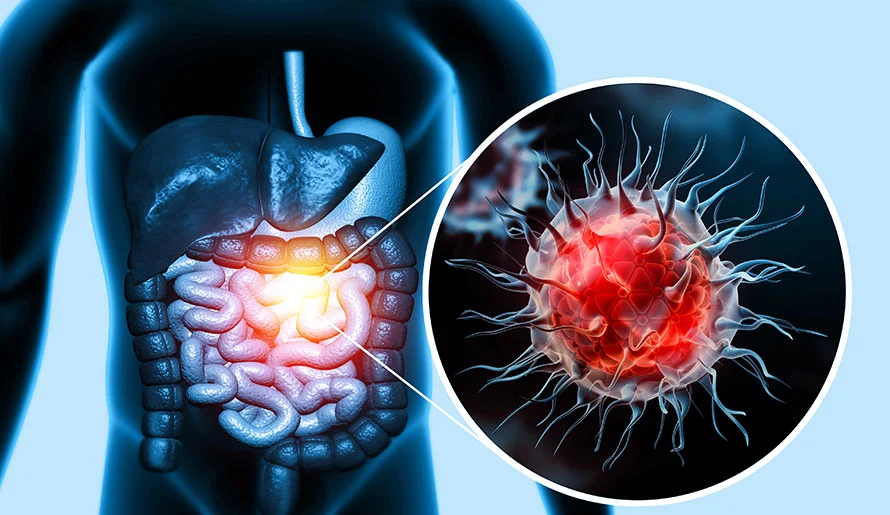
Alarming Trend: Colon Cancer Cases Soar in Under 50 Age Group
Lifestyle & Wellness

Colon Cancer No Longer An ‘Old Age’ Disease: Experts Warn Of Deadly Surge Among The Young

Colon Cancer No Longer An ‘Old Age’ Disease: Cases of colorectal cancer, also known as colon cancer has been rising in young adults...

Hyportension
Lifestyle & Wellness

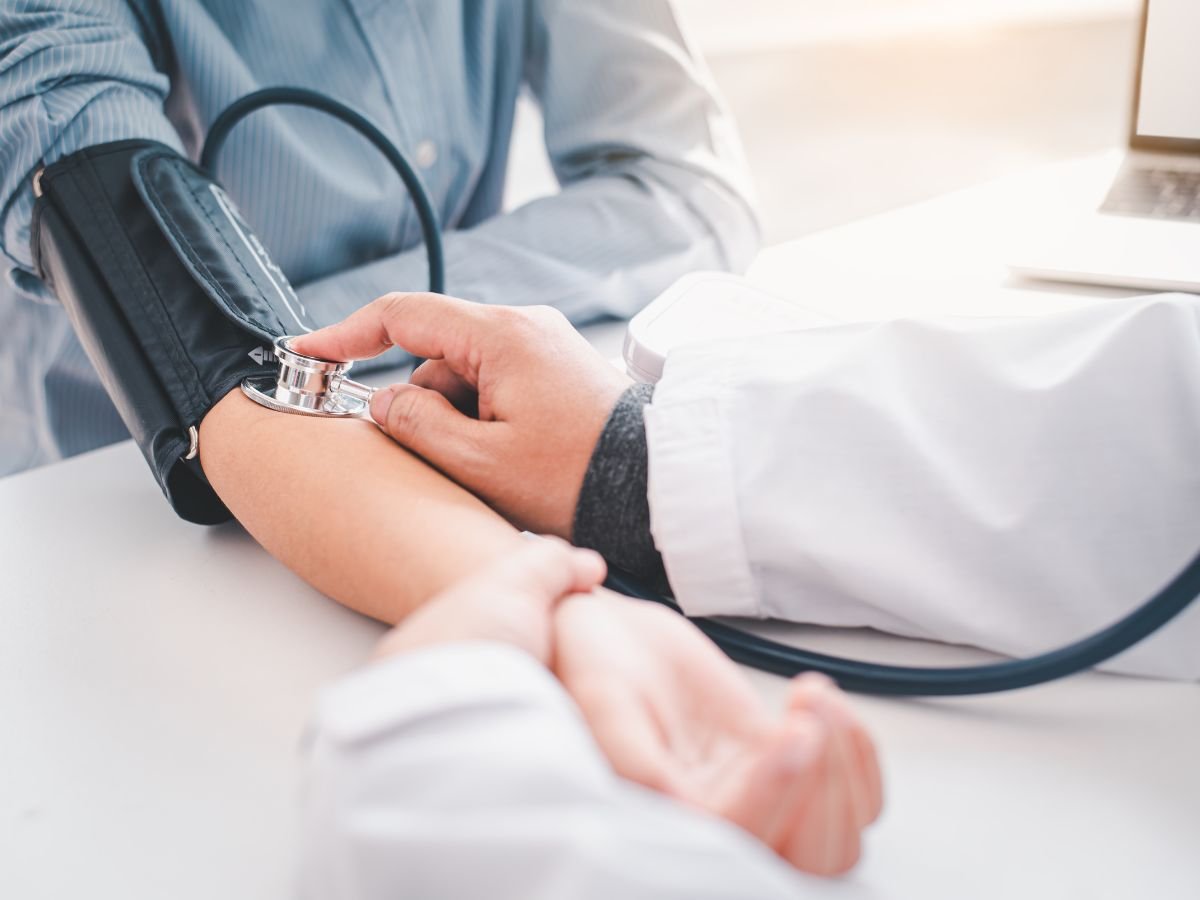
Checking Blood Pressure At Home? Diabetologist Shares 10 Mistakes To Avoid

High blood pressure, also known as hypertension, is a condition where the pressure in your blood vessels spikes above 140/90. According to the...

Obstetrics & Gynecology

Fertility by Age: How Your Chances of Getting Pregnant Change at 25, 30, 35, and 40

A question that comes up frequently in fertility clinics is surprisingly simple: “Was there something I should have known earlier?” Often, the person...

Diet & Nutrition

Energy Drinks During Exams: Are They Helping or Harming Students’ Health? Experts Explain

Energy drinks during exams: It is a scene that is common that occurs across the globe on the eve of exam to feel...

skincare routine for women
Health Tips

Your Skin Barrier Is Damaged, Not Your Skin: Expert Dermatologists Share Tips to Repair and Strengthen It

In recent years, skincare has evolved from a beauty-focused routine to a science-backed approach centred on long-term skin health. The conversation is no...

Section title

Related Articles
Health Tips

Preventive Botox Explained: How Starting Early May Slow Down Ageing Signs

When it comes to ageing, the conversation shifts from correction to prevention....

Health Tips

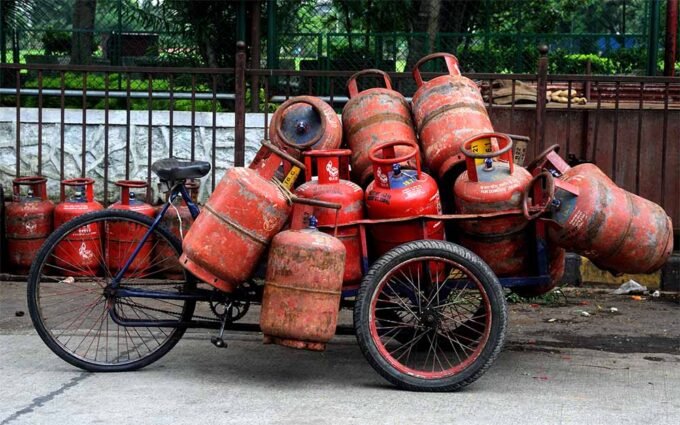
LPG Cylinder Shortage and Your Health: How Cooking Challenges Can Affect Heart, Lungs And Brain – EXPLAINED

As concerns around LPG cylinder shortages grow in India, most conversations have...

skincare routine for women
Health Tips

Your Skin Barrier Is Damaged, Not Your Skin: Expert Dermatologists Share Tips to Repair and Strengthen It

In recent years, skincare has evolved from a beauty-focused routine to a...

delhi heatwave
Health Tips

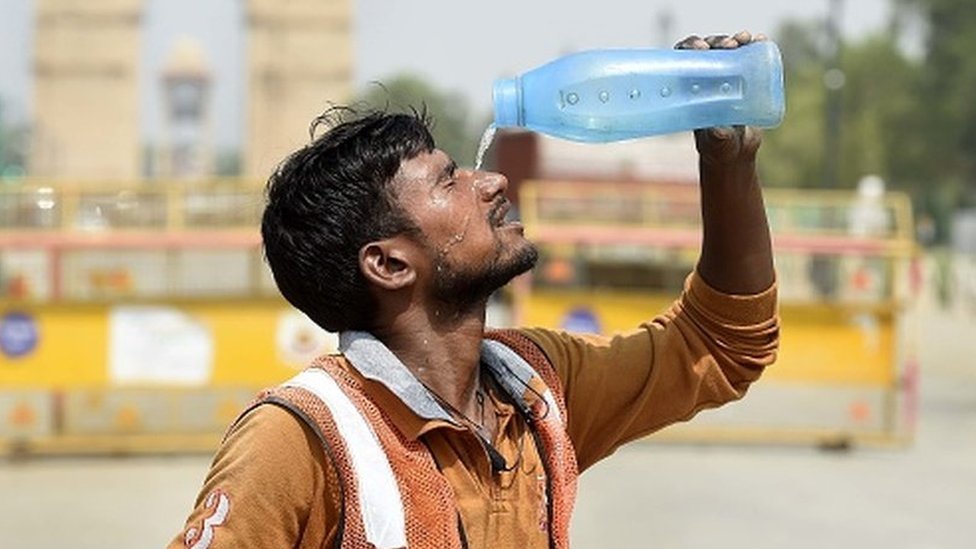
Heatwave health alert: Warning signs of heat exhaustion and how to stay safe in extreme heat

As temperatures continue to soar across many regions, heatwaves are becoming increasingly...