

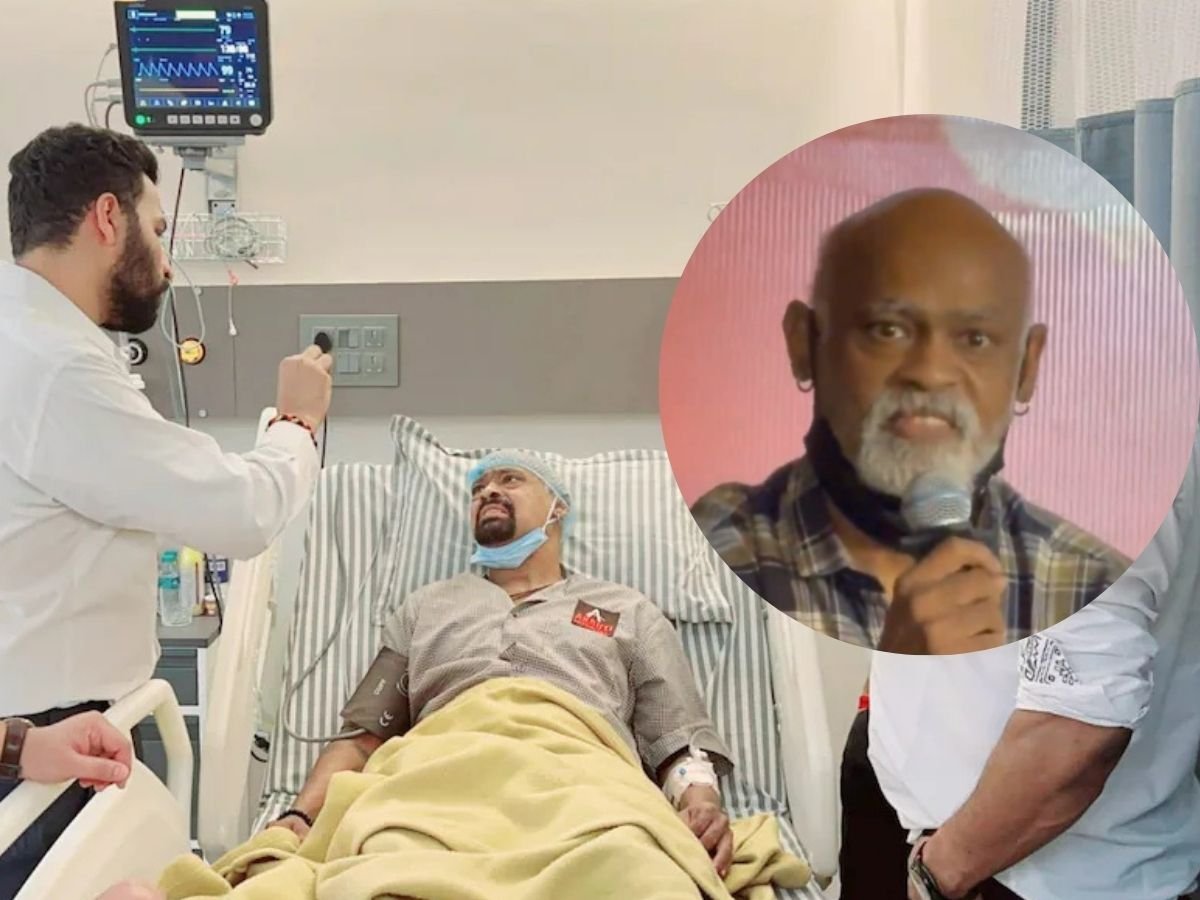
New Delhi, 21 August 2025: Vinod Kambli, the former Indian cricketer known for his explosive performances in the 1990s, is currently on a difficult road to recovery. At 52, he continues to recuperate at home following a recent hospitalization caused by severe health complications. Though his condition has improved, he is still struggling to speak and remains under medical supervision.
A Sudden Health Crisis
In late December, Kambli was rushed to a hospital after experiencing sudden dizziness, muscle cramps, and disorientation. Medical tests revealed a combination of conditions: a serious urinary tract infection, a dangerous drop in sodium and potassium levels, and multiple blood clots in his brain. These conditions were life-threatening and required immediate intervention.
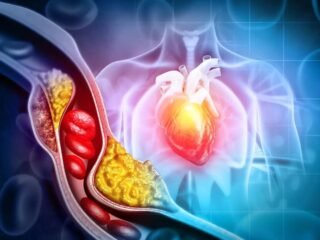
The situation was further complicated by his history of cardiovascular issues, including two heart attacks in the past, and lifestyle-related challenges. Years of alcohol dependency had taken a toll on his body, and the sudden crash of his internal systems signaled that urgent care was needed.
Emergency Treatment and ICU Care
Once admitted, Kambli was placed in the ICU. Doctors treated his electrolyte imbalance, which was responsible for muscle weakness and instability, and began addressing the urinary infection, which had escalated and possibly led to complications in his brain. Scans revealed blood clots that were causing his speech difficulties and added a neurological dimension to his already complex health situation.
The infection, left untreated for a period, contributed to systemic complications, including inflammation and impaired brain function. The combination of dehydration, infection, and neurological strain left Kambli in a highly vulnerable state.
Steady Recovery and Discharge
Following more than a week in the hospital, where he was closely monitored and received round-the-clock care, Kambli showed significant signs of recovery. He was stabilized, and his blood reports began returning to normal. His urinary infection was brought under control, and doctors were able to reduce the swelling associated with the brain clots.
After his condition improved, he was discharged and sent home to continue his recovery with physiotherapy, a specialized diet, and medication to support neurological and cardiovascular health.
Visible Struggles: Speech and Movement
Although he is no longer in critical condition, Kambli’s recovery remains slow. His ability to speak has been seriously affected. According to family sources, his speech is slurred and weak, and he faces difficulty forming complete sentences. These are typical symptoms for individuals recovering from neurological issues like brain clots or strokes.
In addition to speech impairment, Kambli continues to experience reduced mobility. He is undergoing physical rehabilitation to regain muscle strength and coordination. His rehabilitation plan includes speech therapy, physiotherapy, and cognitive exercises designed to support brain recovery.
Back at home, Kambli’s daily life has changed dramatically. Once known for his energetic and outgoing lifestyle, he now follows a strict routine. His day includes regular medication, doctor visits, physical therapy sessions, and rest. He also follows a specific diet aimed at heart health and brain function.
Despite the serious nature of his condition, those close to him say he remains optimistic. He has reportedly expressed his determination to recover fully and get back to being active—not necessarily on the cricket field, but in life.
An Emotional Journey
During his hospital stay, Kambli managed to uplift spirits around him. A video of him dancing in the hospital room while undergoing treatment surfaced online, offering a glimpse of the fighting spirit that made him a household name in cricket. His smile, despite visible weakness, brought hope to many who admire him.
After being discharged, Kambli sent out a heartfelt message to the public urging people to avoid alcohol and drugs. He stressed the importance of health and family support in such challenging times. The statement hinted at personal battles he has faced and served as a reminder of the consequences of neglecting one’s health.
Financial and Moral Support
Kambli’s health crisis has also exposed the financial and emotional struggles that athletes may face after retirement. Having been away from the professional spotlight for years, his treatment costs and recovery needs are reportedly being supported by friends and well-wishers from the cricketing community.
His family continues to provide around-the-clock care, ensuring he remains in a stress-free and positive environment. Emotional support from fans and fellow players has been pouring in, offering strength during this difficult phase.
The Complexity of His Condition
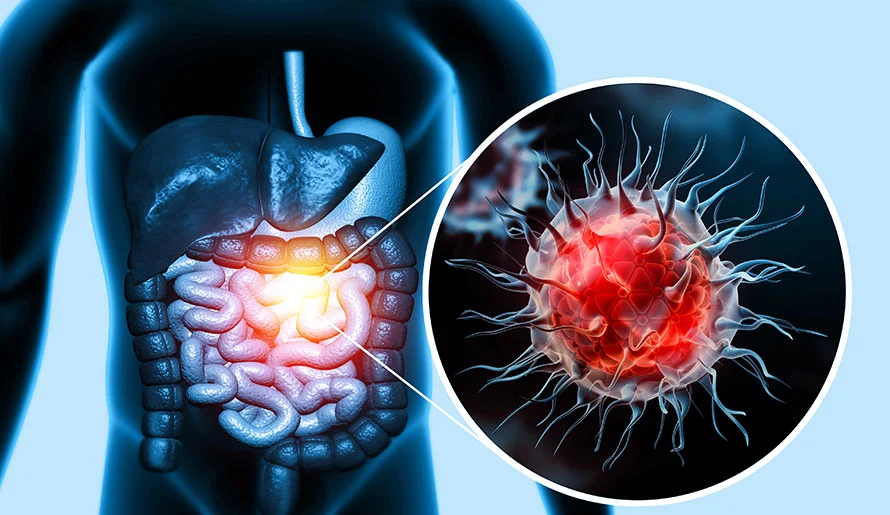
The combination of a urinary tract infection, neurological problems, and a history of heart disease makes his condition medically complex. Urinary infections in older adults, if left untreated, can spread to the bloodstream and lead to sepsis or affect brain function. In Kambli’s case, it seems to have contributed to the development of clots, which impaired his ability to speak.
Brain clots themselves can have long-term effects. Depending on their location and severity, they can lead to speech impairment, memory loss, and even paralysis. Kambli’s current symptoms suggest that his brain’s speech center may have been affected, which is why he continues to struggle with communication.
Recovery and Rehabilitation
Kambli’s recovery will take time. He will need continued speech therapy, possibly for several months, to regain full control over his verbal communication. Physiotherapy will also remain a part of his life as he works to regain strength, balance, and coordination.
Doctors are optimistic, but cautious. While Kambli is stable and recovering, relapses are possible if his condition isn’t monitored carefully. He must now focus on lifestyle changes, regular health screenings, and continued mental and physical rehabilitation.
Through all the challenges, Kambli’s journey stands as a powerful reminder of resilience. Despite battling a serious infection, neurological complications, and a difficult medical history, he continues to fight for his health. His story is not just about a sports figure in recovery—it is about the human will to heal, to rise, and to continue living with dignity.
His fans, fellow athletes, and the larger public await further good news. For now, his focus remains on healing—one day at a time.














Leave a comment