

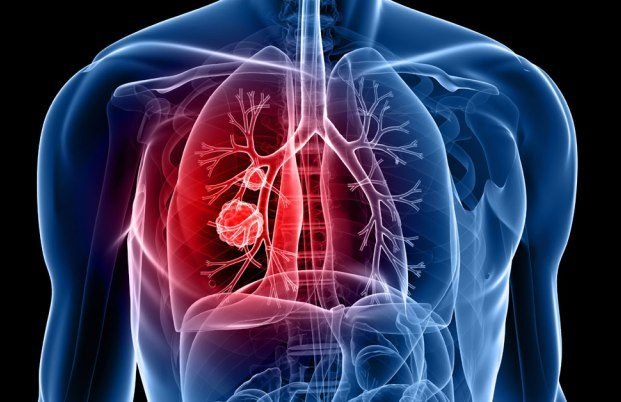
New Delhi, 14 September, 2025: Lung cancer is one of the most common and deadly cancers worldwide, accounting for nearly 1 in 5 cancer deaths. Despite advancements in treatment and diagnostics, survival rates remain low — largely because most patients are diagnosed when the disease has already reached stage 4, the most advanced stage. At this point, the cancer has usually spread beyond the lungs, making it harder to treat effectively.
But why is it that early-stage lung cancer often goes unnoticed, only to be discovered when it is already advanced? The answer lies in the silent, insidious nature of the disease, coupled with limited awareness, lack of screening, and overlapping symptoms with everyday health issues.
This article explores why early lung cancer is so difficult to detect, how it progresses silently, and what steps can be taken for earlier diagnosis and better outcomes.
What Makes Lung Cancer So Silent?
Unlike cancers of the breast, skin, or colon, lung cancer develops in an organ that doesn’t produce noticeable symptoms until the disease has spread. The lungs themselves have few pain receptors, meaning small tumors can grow for months or even years without causing discomfort.
Some reasons why early lung cancer is often silent include:
- Small tumors cause minimal disruption: A tumor that is only a few centimeters in size may not block airways or affect lung function noticeably.
- Compensatory function of the lungs: The lungs have a large reserve of functional tissue. Even if one part is compromised, the other sections may compensate, masking symptoms.
- Slow, subtle onset of symptoms: Early signs like mild cough, fatigue, or shortness of breath are often attributed to common conditions such as flu, allergies, asthma, or aging.
This biological “quietness” is one of the key reasons why 75–80% of patients are diagnosed at stage 3 or 4, when treatment options are more limited.
Symptoms Often Overlooked in Early Stages
In the early stages, lung cancer does produce symptoms in some people, but they are usually nonspecific and easily misattributed. Common early signs include:
- A persistent cough lasting longer than 2–3 weeks
- Shortness of breath during mild activity
- Chest pain or discomfort, often mistaken for muscle strain or acidity
- Unexplained fatigue or reduced stamina
- Hoarseness of voice
- Mild, recurring chest infections like pneumonia or bronchitis
Because these symptoms overlap with smoking-related bronchitis, asthma, or seasonal flu, patients often delay seeking medical attention until symptoms worsen. By the time “red-flag” symptoms appear — such as coughing up blood, severe weight loss, or bone pain — the disease has usually advanced.
Why Patients Present at Stage 4
Several interconnected factors explain why lung cancer is most often detected at stage 4:
1. Lack of Early Symptoms
As discussed, early tumors remain clinically silent. Without pain or obvious discomfort, most people don’t suspect anything is wrong.
2. Delayed Medical Evaluation
Even when symptoms appear, patients may ignore them or attribute them to smoking, pollution, or aging. In regions with limited access to healthcare, diagnosis is often further delayed.
3. No Routine Screening (Unlike Breast or Cervical Cancer)
Unlike breast cancer (mammography) or cervical cancer (Pap smear), there has been no widely adopted, cost-effective screening test for lung cancer until recently. Low-dose CT scans (LDCT) have been shown to detect tumors earlier, but they are not yet standard practice globally due to cost and concerns of overdiagnosis.
4. Rapid Progression in Aggressive Subtypes
Some lung cancers, such as small cell lung carcinoma (SCLC), grow and spread very quickly. Even a short delay in diagnosis can mean the disease advances to stage 4.
5. Smoking-Related Stigma
Many patients who smoke or have smoked in the past may dismiss symptoms as “smoker’s cough.” They may also feel stigma or guilt, which delays seeking medical care until the disease is advanced.
Understanding Staging: Why Stage 4 Is So Critical
Lung cancer staging helps doctors determine how far the disease has spread.
- Stage 1: Tumor localized in one lung, small in size, often treatable with surgery.
- Stage 2: Cancer has grown larger or spread to nearby lymph nodes.
- Stage 3: Spread to surrounding tissues, lymph nodes, or chest structures.
- Stage 4: Distant metastasis — cancer has spread to other organs such as bones, brain, liver, or adrenal glands.
By stage 4, the focus often shifts from curative treatment to life extension and quality of life, though new targeted therapies and immunotherapies are providing hope.
The Role of Screening in Early Detection
One of the most important advances in lung cancer prevention is the use of low-dose computed tomography (LDCT) for screening. Research shows that LDCT can detect lung tumors at much earlier stages, reducing mortality in high-risk groups.
Who Should Be Screened?
Guidelines (such as those from the U.S. Preventive Services Task Force) recommend annual LDCT scans for:
- Adults aged 50–80 years
- With a history of 20 pack-years of smoking (e.g., smoking a pack a day for 20 years)
- Who currently smoke or quit within the last 15 years
Unfortunately, awareness and access to LDCT screening are still limited, especially in low- and middle-income countries.
How Genetics and Lifestyle Play a Role
While smoking remains the leading risk factor for lung cancer, accounting for about 85% of cases, non-smokers are not immune. In fact, lung cancer in non-smokers is rising, particularly in women and younger adults.
Contributing factors include:
- Air pollution and occupational exposure to asbestos, radon, diesel fumes, and industrial chemicals
- Genetic mutations such as EGFR, ALK, and ROS1, which are more common in non-smokers and younger patients
- Second-hand smoke exposure
- Poor indoor air quality, especially from biomass fuel use in rural homes
These cases are especially concerning because doctors often don’t suspect lung cancer in non-smokers until very late, again leading to stage 4 diagnoses.
Treatment at Stage 4: What Options Exist?
Stage 4 lung cancer was once seen almost universally as untreatable. Today, advances in oncology have improved survival and quality of life:
- Targeted therapies: Drugs that specifically target mutations like EGFR, ALK, or ROS1 can control disease for years in some patients.
- Immunotherapy: Treatments that harness the body’s immune system (e.g., checkpoint inhibitors like pembrolizumab) are showing remarkable success in certain patients.
- Chemotherapy: Still a cornerstone for many cases, often combined with targeted or immune-based approaches.
- Radiation therapy: Used for symptom relief (e.g., brain metastases or painful bone lesions).
- Palliative care: Focuses on pain management, breathing comfort, and emotional support, improving quality of life even when cure isn’t possible.
How Patients and Doctors Can Bridge the Gap
For Patients:
- Don’t ignore persistent cough, chest pain, or unexplained fatigue.
- Seek medical advice early if symptoms last beyond 2–3 weeks.
- If you are a current or former smoker, ask your doctor about LDCT screening.
- Advocate for thorough evaluation rather than dismissing symptoms.
For Doctors:
- Maintain a high index of suspicion in high-risk patients, even younger non-smokers.
- Encourage eligible patients to undergo LDCT screening.
- Educate patients about early warning signs.
- Reduce stigma around smoking history to encourage open conversations.
Lung cancer’s deadly reputation is not only because of its aggressiveness but also because of its silent nature in the early stages. By the time symptoms become unmistakable, the disease has often already spread to stage 4, where treatment becomes more challenging.
Breaking this cycle requires a combination of awareness, proactive healthcare, and broader use of screening tools like LDCT scans. Equally important is removing stigma, so patients feel empowered to seek medical help without shame or delay.
With rising research into targeted therapies, immunotherapies, and early-detection strategies, there is renewed hope. But until these tools are universally accessible, the best defense remains vigilance: paying attention to your body, knowing the risk factors, and acting quickly on even subtle, persistent symptoms.













Leave a comment