

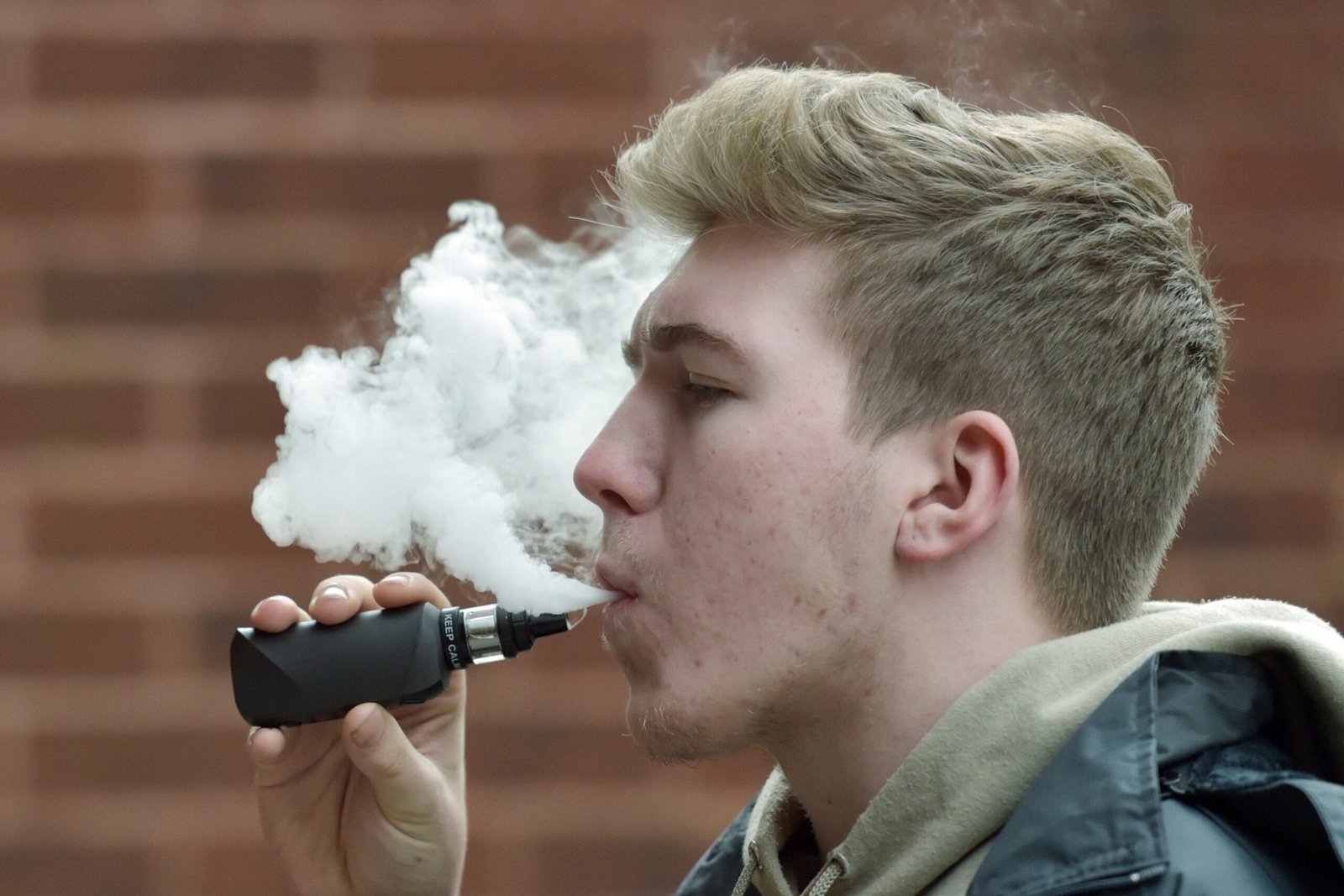
New Delhi, 2 November 2023: Experts, including doctors and child psychologists, have commended the Indian government for its recent focus on the rigorous enforcement of the Prohibition of Electronic Cigarettes Act even as the United Kingdom government earlier this month announced its intention to restrict the marketing and sale of vapes and similar products such as e-cigarettes and new age gateway products targeted at children.
Earlier this month, the Ministry of Health issued a clarification to the Ministry of Civil Aviation, emphasizing the imperative for rigorous enforcement of the Prohibition of Electronic Cigarettes Act (PECA), 2019. While PECA may not explicitly state the prohibition of individual e-cigarette or vaping device use, its overarching intention is to ban all aspects of these products including its consumption. PECA enforces a sweeping ban that encompasses all categories of electronic nicotine delivery systems, heat-not-burn products, e-hookahs and similar devices.
The United Kingdom (UK) government has also come down heavily on vaping, e-cigarettes and new-age gateway products and has shared its proposal for public consultation with the expectation that the restriction will combat the concerning surge in youth vaping. By making vapes less visually enticing and appealing to children, the UK government aims to address this issue. Disposable vapes often used by children might also be banned. Indian experts have welcomed this move by the UK government and emphasized the importance of other countries taking similar actions to tackle this critical issue.
The proposal in the UK comes at a time when Sarah Griffin a 12-year-old from North Belfast had to be placed in a medically induced coma after her lungs were severely weakened by vaping. Although she has recovered but the ordeal has left her with permanent lung damage. Sarah expressed her hope to BBC that her story will dissuade other children from experimenting with vaping.
Mr Sushant Kalra, Parenting Coach & TEDx Speaker, said “The lack of awareness surrounding the risks associated with vaping is a huge concern in many countries including India. Many school-going children are taking up vaping under the false assumption that it carries no risks or dangers. This alarming trend is troubling because young individuals may unknowingly become addicted. Both children and their parents often remain unaware of the severe health consequences of vaping, as they perceive it as a harmless activity involving the inhalation of flavours like apple or strawberry.”
The aerosol produced by e-cigarettes is far from harmless and comprises a range of harmful substances, such as nicotine, flavourings like diacetyl (linked to severe lung disease). These ultrafine particles and chemicals have the ability to deeply penetrate the lungs, posing significant risks to a child’s health. E-cigarette aerosol contains particulate matter with a diameter smaller than 2.5 microns (PM2.5), which is known to be detrimental to respiratory health. Additionally, it contains cancer-causing chemicals and heavy metals like nickel, tin and lead.
“India’s ban on e-cigarettes was primarily motivated by the aim to protect the health of our vulnerable youth and children. What the UK is currently striving to achieve, India had already accomplished earlier by banning vaping devices, and the Indian government deserves commendation for its proactive stance. The onus is now on the people at large to collaborate with the state to protect and create a safe space for our children. The only way to do that is by learning and education.” said Mr Sushant Kalra
The PECA 2019 legislation effectively prohibits all aspects of these electronic cigarette products, spanning production, manufacturing, import, export, transport, sale, distribution, storage, and advertisement of e-cigarettes, rendering them illegal in the country. The enactment of this law primarily serves the crucial purpose of safeguarding public health and ensuring protection from potential harm.
Recent developments show that the Indian government continues its efforts in this direction. In July 2023, the government issued takedown notices to 15 websites promoting e-cigarettes, and the Health Ministry is actively monitoring e-cigarette advertisements and sales on social media platforms, with additional actions in the pipeline.
Efforts to combat vaping and substance abuse should not be limited to the supply side alone and India and other countries must also prioritize demand reduction. A comprehensive government policy aimed at demand reduction, working in conjunction with supply reduction measures, is essential. This policy may involve the implementation of strict laws and penalties for individuals involved in vaping and substance abuse issues. By instilling a sense of fear among both children and parents, these measures can lead to reduced usage and subsequently reduce the supply of vapes and e-cigarettes.
Dr Rajesh Gupta, Additional Director Pulmonology & Critical Care – Fortis Healthcare Noida “Although India’s effort in implementing the ban on vaping is laudable there is a need for more measures. While curtailing the availability of vapes through the grey market, both physically and online is crucial, demand side controls are also crucial.”
“The addictive nature of vaping poses a growing threat to our children and youth in a post-COVID world. As we continue to grapple with understanding the full effects of vaping on the human body, cases like Sarah Griffin’s serve as stark reminders of the very real dangers that vaping presents to children. It is imperative for all countries to take strict measures to ensure that vapes do not reach the hands of children,” added Dr Rajesh Gupta
E-cigarettes being relatively new, there is a shortage of long-term health data. Nonetheless, the mounting evidence strongly suggests their detrimental impact on both children and adults. The increasing addiction to vaping among children has been intensified by the aggressive marketing strategies of international tobacco companies. These companies have shifted their focus to vaping and electronic cigarettes in an attempt to rejuvenate their businesses by targeting younger generations, particularly in countries without bans on vaping and its advertising. Fortunately, many countries are now recognizing the grave danger this poses and are taking action to protect the younger generation from this threat.














Leave a comment