

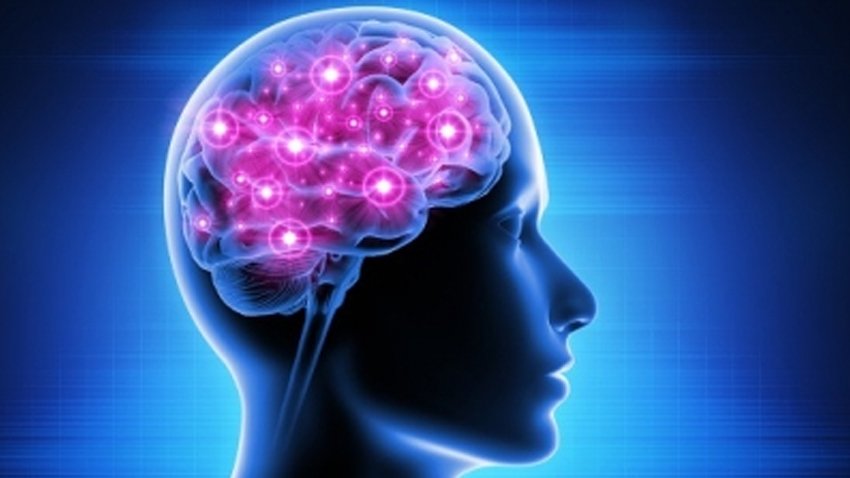
A schoolboy from south-west England has made medical history as the first in the world with severe epilepsy to trial a new device fitted in his skull to control seizures, it was reported on Monday.
The neurostimulator, which sends electrical signals deep into his brain, has reduced Oran Knowlson’s daytime seizures by 80 per cent.
Oran has Lennox-Gastaut syndrome, a treatment-resistant form of epilepsy which he developed at the age of three. Since then he has suffered several daily seizures ranging from two dozen to hundreds, the BBC reported.
The surgery, which lasted around eight hours, took place in October 2023. It was part of a trial at Great Ormond Street Hospital here when Oran, who is now 13, was 12. The surgery was part of a trial in partnership with University College London, King’s College Hospital and the University of Oxford.
Epilepsy seizures are triggered by abnormal bursts of electrical activity in the brain. The device, which emits a constant pulse of current, aims to block or disrupt abnormal signals. His mother, Justine, told the BBC he was happier and had a “much better quality of life”.
“We’ve seen a big improvement, seizures have reduced and are less severe. He’s a lot chattier, he’s more engaged. He’s turned 13 and I definitely now have a teenager – he’s happy to tell me no. But that adds to his quality of life when he can express himself better,” she said.
Consultant paediatric neurosurgeon Martin Tisdall said, “We are delighted that Oran and his family have seen such a huge benefit from the treatment and that it has dramatically improved his seizures and quality of life.”
Oran is part of the CADET (Children’s Adaptive Deep brain stimulation for epilepsy trial) project, external – a series of trials assessing the safety and effectiveness of deep brain stimulation for severe epilepsy.
The Picostim neurotransmitter is made by UK company Amber Therapeutics. It sits under the skull and sends electrical signals deep into the brain, reducing his daytime seizures. The CADET pilot will now recruit three additional patients with Lennox-Gastaut syndrome, with a view to 22 patients being recruited to take part in a full trial.














Leave a comment