


Infertility is often perceived as a woman’s health issue. Clinically speaking, we witness a different situation. The World Health Organisation, together with the International Committee for Monitoring Assisted Reproductive Technologies (ICMART), defines infertility as the inability to conceive after 12 months or more of regular unprotected intercourse. It is quite significant that male factors are estimated to be responsible for 50% of infertility cases worldwide, and hence, male assessment should be considered obligatory rather than an option.
How is Male Infertility Diagnosed?
According to Dr Shiva Murarka, Sr. Scientist, Reproductive Genomics, Neuberg Centre for Genomic Medicine, “Male infertility can only be diagnosed clinically with a detailed workup. The first and most important step is a semen analysis, which can detect azoospermia (absence of sperm), oligospermia (low sperm count), or abnormalities in sperm motility and morphology. Additional findings such as elevated follicle-stimulating hormone (FSH) levels, reduced testicular size, or congenital absence of the vas deferens may indicate more serious underlying conditions. These are not minor variations; they are significant clinical indicators that require timely investigation and appropriate management.”
Genetic Causes of Male Infertility
Dr Shiva explains that the genetic causes account for approximately 15% of male infertility cases. Known chromosomal or gene-level abnormalities are identified in about 2–15% of affected men. Among the different disorders, Klinefelter syndrome accounts for nearly 3% of cases, and the frequency of Robertsonian translocations is 13%. Reciprocal translocations occur in about 1% of cases, while mutations in the CFTR gene are responsible for approximately 5%.
In addition, Y chromosome microdeletions and other chromosome abnormalities may be involved in up to 4% of the cases. Identifying these abnormalities is not merely academic; it directly influences treatment decisions and helps determine the chances of achieving pregnancy.
Advanced Genetic Testing for Male Infertility
Advanced genetic testing is very important in the workup. Chromosomal abnormalities can be detected by karyotyping with G-banding. Men with severe oligospermia or azoospermia should be given particular consideration for Y chromosome microdeletion testing, which is done by multiplex real-time PCR. In cases of congenital absence of the vas deferens, NGS-based CFTR gene sequencing is used. The chromosomal microarray test that utilises SNP-based arrays can detect submicroscopic chromosomal imbalances.
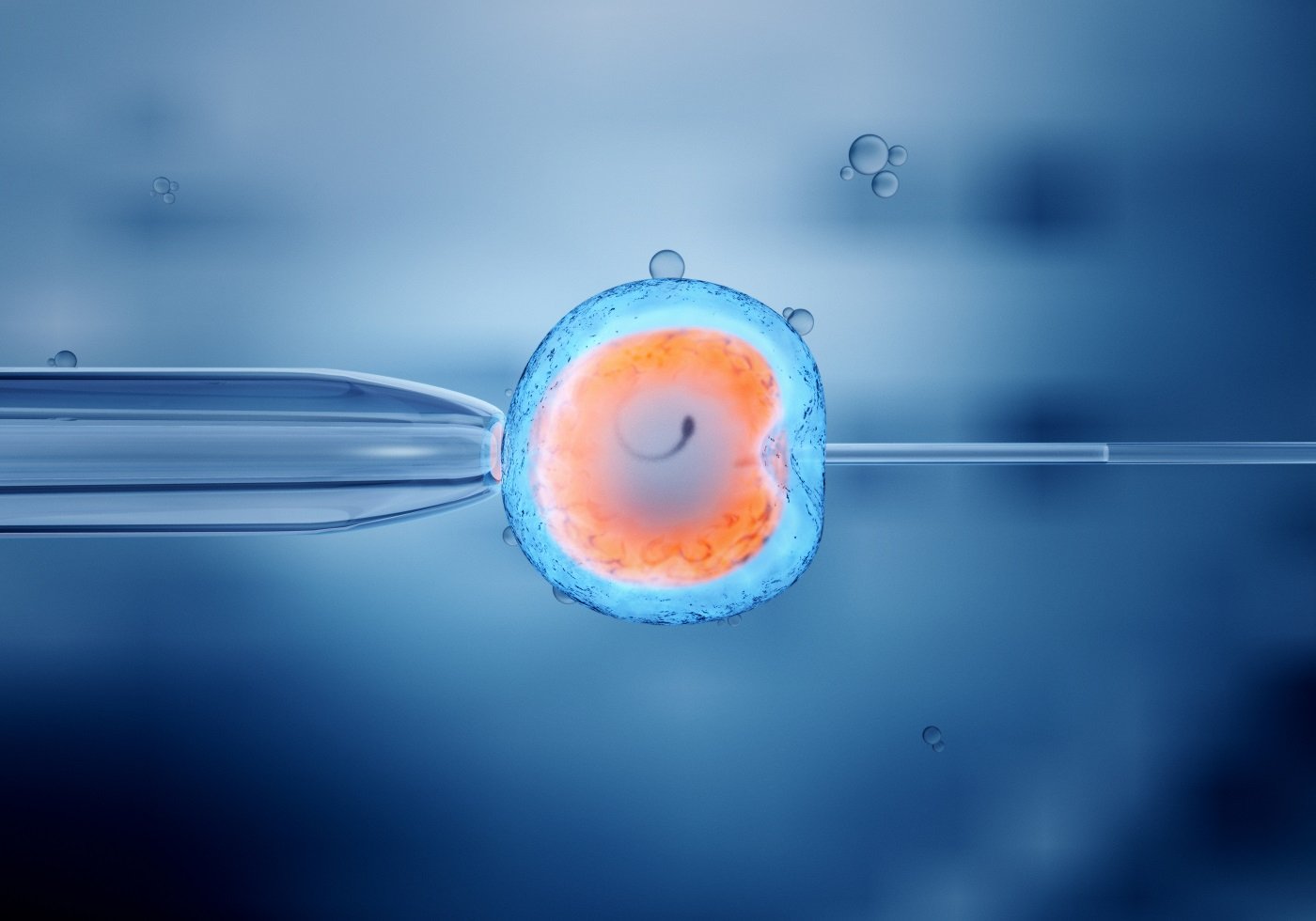
Also, the sperm DNA fragmentation test, which is done on seminal fluid, checks for sperm genetic integrity and can be used in deciding on assisted reproductive techniques. These genetic findings can also help predict the success of procedures such as Testicular Sperm Extraction (TESE) and Intracytoplasmic Sperm Injection (ICSI), while enabling couples to better understand potential risks to their future children and receive more precise genetic counselling.
Symptoms of Male Infertility that Should Not be Ignored
Certain signs should prompt evaluation: reduced sexual drive, decreased facial or body hair, recurrent respiratory infections, persistent testicular pain or swelling, and difficulty with ejaculation. These symptoms should not be ignored or attributed to stress alone.
Disclaimer: Dear readers, this article provides general information and advice only. It is not at all professional medical advice. Therefore, always consult your doctor or a healthcare specialist for more information.











Leave a comment