

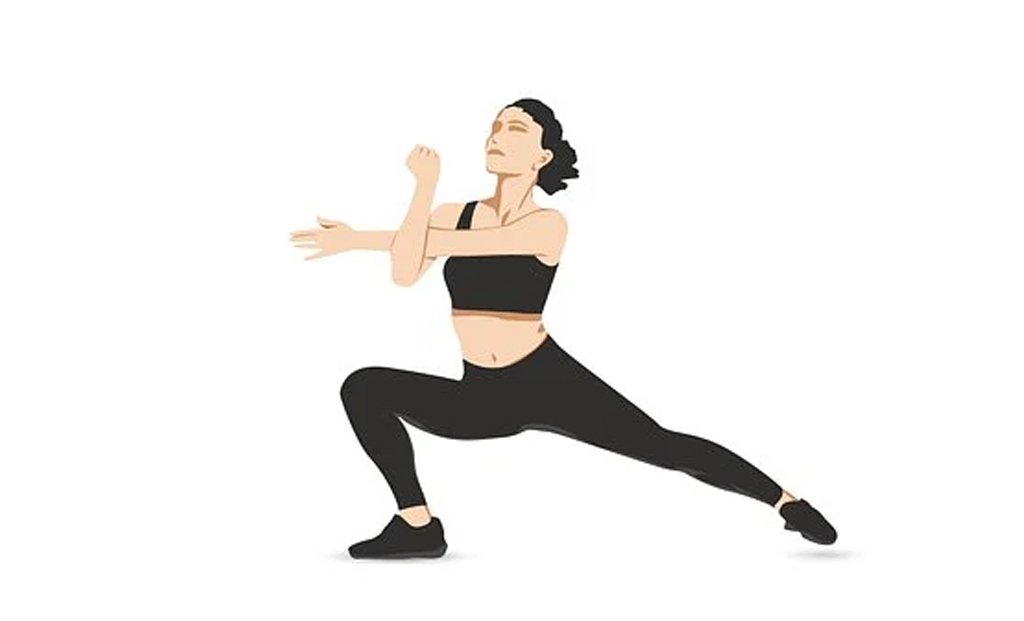
Maintaining healthy cholesterol levels is crucial for overall cardiovascular health, and exercise plays a pivotal role in achieving this goal. Regular physical activity not only helps lower LDL (bad) cholesterol levels but also raises HDL (good) cholesterol levels, leading to a more favorable lipid profile. In this article, we delve into the various ways in which exercise influences cholesterol levels and provide practical tips for incorporating physical activity into your daily routine.
- Increasing HDL Cholesterol: High-density lipoprotein (HDL) cholesterol acts as a scavenger, removing excess cholesterol from the bloodstream and transporting it to the liver for elimination. Regular exercise has been shown to raise HDL cholesterol levels, which helps reduce the risk of heart disease. Aim for at least 30 minutes of moderate-intensity aerobic exercise, such as brisk walking, cycling, or swimming, on most days of the week to boost HDL cholesterol.
- Lowering LDL Cholesterol: Low-density lipoprotein (LDL) cholesterol is often referred to as “bad” cholesterol because high levels can lead to the buildup of plaque in the arteries, increasing the risk of heart disease and stroke. Exercise helps lower LDL cholesterol by improving the efficiency of the body’s cholesterol-clearing mechanisms and reducing the production of LDL particles. Incorporate activities that elevate your heart rate and make you break a sweat, such as jogging, dancing, or playing sports, to reap the benefits of LDL reduction.
- Promoting Weight Management: Being overweight or obese is a major risk factor for dyslipidemia (abnormal cholesterol levels) and cardiovascular disease. Regular exercise plays a key role in weight management by burning calories, increasing metabolism, and promoting the maintenance of lean muscle mass. By achieving and maintaining a healthy weight, you can improve your cholesterol profile and reduce the strain on your heart and blood vessels.
- Enhancing Blood Circulation: Exercise stimulates blood circulation throughout the body, including the arteries and veins. This improved blood flow helps prevent the formation of blood clots and reduces the risk of atherosclerosis (hardening of the arteries), which can contribute to elevated cholesterol levels and cardiovascular complications. Aim for a combination of aerobic exercises and strength training to optimize blood circulation and vascular health.
- Reducing Inflammation: Chronic inflammation is closely linked to the development of atherosclerosis and other cardiovascular conditions. Regular exercise has anti-inflammatory effects on the body, reducing levels of inflammatory markers and promoting a healthier immune response. By lowering inflammation, exercise can help prevent damage to the arterial walls and reduce the risk of cholesterol-related complications.
In conclusion, exercise is a powerful tool for managing cholesterol levels and promoting heart health. By incorporating regular physical activity into your lifestyle, you can raise HDL cholesterol, lower LDL cholesterol, maintain a healthy weight, improve blood circulation, and reduce inflammation—all of which contribute to a favorable lipid profile and decreased risk of cardiovascular disease. Start small and gradually increase the duration and intensity of your workouts to experience the full benefits of exercise on cholesterol management. Remember to consult with your healthcare provider before starting any new exercise regimen, especially if you have pre-existing medical conditions or concerns.












Leave a comment