

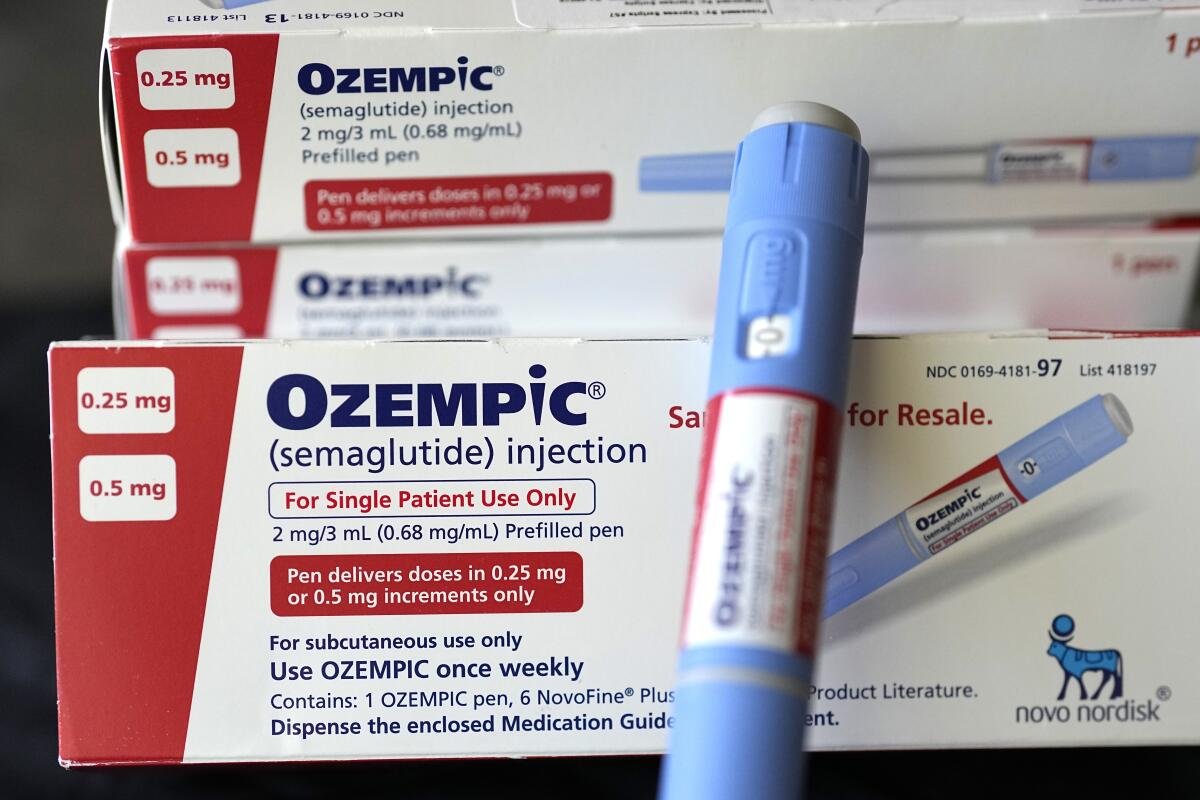
New Delhi, 28 October, 2025: In a candid and powerful conversation, Dr. Sudhir Kalhan, Chairman, Bariatric Surgery, Sir Ganga Ram Hospital, New Delhi, debunks the myths around weight-loss shortcuts — from trendy injections like Mounjaro and Ozempic to expensive bariatric surgeries.
His message is clear and blunt: “You can take any injection, undergo any surgery, or try every diet. But if you don’t change your lifestyle, the weight will come back.”
“Weight loss is science, not magic”
Dr. Kalhan begins by explaining that obesity isn’t just about looking overweight — it’s a disease that triggers diabetes, sleep apnea, hypertension, and even depression.
He compares it to being “trapped in quicksand”: “For many patients, their weight keeps dragging them deeper into health problems — diabetes, breathlessness, joint pain, and even mental health issues. Bariatric surgery is meant for those who can no longer pull themselves out on their own.”
According to Dr. Kalhan, bariatric surgery is not for everyone. If you are just 8–10 kg overweight, you don’t need it. “Simple lifestyle modifications, diet regulation, and consistency can help you manage it naturally,” he says.
But for patients with severe obesity (BMI 32.5 with diabetes or comorbidities, or BMI 37.5 without them), surgery becomes a medical necessity.
“We have made food too easy — and that’s the real problem”
The surgeon takes a step back to explain why obesity has become a modern epidemic. “A few hundred years ago, humans ate only when hungry. Now, food is available 24×7 — at the tap of a phone. We eat not because we’re hungry, but because it’s convenient, cheap, and everywhere.”
The result? “Calories keep entering your body like money in a savings account — but you’re not spending any,” Dr. Kalhan says. “The balance keeps growing, and so does your weight.”
Bariatric Surgery: What it actually does
Explaining in layman’s terms, he says: “We reduce the stomach’s size — think of it as cutting an XXL T-shirt into an XS size. You can still eat everything, just in smaller quantities.”
The procedure most suited for Indian patients, he adds, is Laparoscopic Sleeve Gastrectomy, a minimally invasive surgery that reduces stomach capacity and alters hunger hormones.
But here’s the key: “If you don’t improve your lifestyle after surgery — your eating habits, your protein intake, your exercise — you will regain weight.”
“Weight regain is real”
Dr. Kalhan warns that even after successful bariatric surgery or using modern injectables like Ozempic, Wegovy, or Mounjaro, patients can regain 15–20 kg within 5–6 years if they don’t maintain discipline. “We give people a second chance at life. But if they return to old habits, the weight will come back. Surgery pulls you out of the fire — it’s up to you not to jump back in.”
Regular follow-ups, protein-rich diets, and muscle-strengthening exercises (especially weight training and daily walks) are essential to maintain results. “If you lose 10 kilos but it’s muscle, not fat, that’s a loss — not a win,” he cautions. “We monitor patients monthly to ensure they’re losing visceral fat, not lean mass.”
“Injections like Ozempic and Mounjaro work — but only if you use them right”
Dr. Kalhan explains the science behind the new-age weight-loss drugs that have taken the world by storm.
These medications — based on GLP-1 and GIP analogues — reduce hunger and improve insulin sensitivity. “They delay stomach emptying, so you feel full faster. They also reduce the hunger hormone ghrelin and increase GLP-1, which makes your body utilize glucose more efficiently.”
However, he warns against misuse: “In India, people start injecting these drugs at home because a friend or chemist told them to. That’s dangerous.”
The side effects can include nausea, vomiting, gastritis, gallstones, and even pancreatitis. And in some rare cases, if a patient undergoes surgery without revealing they’re on GLP-1 injections, it can cause fluid aspiration into the lungs under anesthesia — a potentially life-threatening complication.
“Every medicine has side effects,” says Dr. Kalhan. “But compare that with the risk of obesity — which directly increases your chance of early death. That’s the real danger.”
“Dieting isn’t the answer — sustainability is”
Dr. Kalhan dismisses extreme diets and starvation-based plans. “Dieting puts your mind under constant stress. You can’t sustain it. After a few weeks, you return to old patterns — and gain it all back.”
Instead, he recommends gradual, sustainable changes:
- Eat less, but eat smart.
- Focus on protein intake.
- Incorporate weight training.
- Walk at least 30 minutes a day.
- Reduce total calories — even two fewer biscuits a day can make a difference.
“Two fewer biscuits a day equals two kilos less a year,” he says. “Weight loss is all about small, consistent wins.”
“The real fix: Change starts at school”
As the Chairman of the National Digital Health Council, Dr. Kalhan emphasizes early education.
“We must address childhood obesity. Parents often think a chubby child is a healthy child — but that’s where the cycle begins. Once a child becomes sedentary, the risk of lifelong obesity starts.”
He advocates for school-based health awareness programs, better nutrition education, and daily activity.
“Obesity is a lifelong commitment, not a one-time fix”
Quoting humorously from a comedian, he smiles: “Wealth comes and goes, youth comes and goes — but once fat comes, it stays.”
Dr. Kalhan concludes with his mantra for lasting health: “The secret to weight loss isn’t magic — it’s mindfulness. Stop eating when you feel you could eat more. Taste everything, but finish nothing. Enjoy your food, don’t let it control you.”
And that, he says, is the only permanent formula for staying fit.
Key Takeaways
- Bariatric surgery and injections are tools, not cures.
- Lifestyle change — diet, exercise, and mindset — is the real treatment.
- Misuse of injections like Mounjaro or Ozempic can be dangerous.
- Protein and resistance training are crucial during any weight-loss journey.
- Start early: obesity prevention begins in childhood.
WATCH THE COMPLETE VIDEO HERE













Leave a comment