

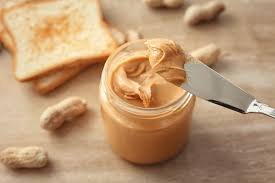
Peanut butter is a smooth spread made from roasted peanuts. It is delicious and can be used to spread it on a toast, use as a dip for smoothies or even add to smoothies. It is not only a delicious spread but also a powerhouse of nutrients that can benefit muscle building and recovery in several ways.
Let’s look at the benefits of peanut butter for muscle building and recovery:
- Protein Content: Building and repairing muscles require protein. Protein intake helps in the repair of microtears generated by muscle fibres during exercise, which results in an increase in muscular mass and strength. With a moderate protein content per serving, peanut butter is a practical choice for meals or snacks after an exercise to help with muscle repair
- Healthy Fat: Most of the fats in peanut butter are monounsaturated and polyunsaturated fats, which are regarded as healthy fats. These fats are necessary for the body to produce hormones and absorb nutrients, among other things. Healthy fats help in the production of hormones like testosterone, which is important for muscle growth, in the context of muscle building and recovery. They also facilitate the absorption of fat-soluble vitamins, like vitamin E, which has antioxidant qualities that lessen oxidative damage brought on by exercise.
- Caloric density: Peanut butter has a high calorie density, which means that a tiny portion size gives you a lot of energy. Those who want to consume more calories to help in muscle growth and repair may find this beneficial, particularly if they have high energy needs from intense workouts or exercise.
- Nutrient Profile: Nutrient-dense peanut butter has protein, healthy fats, and a number of vitamins and minerals that support muscle growth and repair. As an antioxidant, vitamin E, for instance, shields cells from harm from free radicals produced during physical activity. While potassium helps in maintaining fluid balance and electrolyte levels, which are essential for healthy muscular function, magnesium is involved in the contraction and relaxation of muscles.
- Carbohydrate Content: Peanut butter does have some carbohydrates; however, they are not the main source of carbohydrates in it. After a workout, consuming carbs helps in the restoration of glycogen stores, the main source of energy used by muscles during intense activity. Carbohydrates help in muscle recovery and prepare the body for more exercise by restocking glycogen stores.
- Convenience: A versatile and easy-to-make addition to a variety of meals and snacks is peanut butter. Spreading on toast, blending into oatmeal or yogurt, or adding to smoothies are all popular uses for its rich flavour and creamy texture. Due to its adaptability, people can take advantage of its benefits in different ways, which makes following a diet plan for muscle growth easier.
- Satiety: Peanut butter’s high protein, high-quality fats, and high fibre content encourage feelings of fullness and satiety, which can help regulate appetite and stop overeating. For people who want to stimulate muscular development and wound healing while controlling their weight, this is essential. Satisfied after meals and peanut butter-filled snacks may help achieve overall health and fitness objectives by sustaining energy levels and reducing cravings for less nutrient-dense foods.
By taking these things into account, people can enjoy the tasty flavour and health benefits associated with peanut butter while making smart dietary decisions to maximize muscle growth and recovery.












Leave a comment