

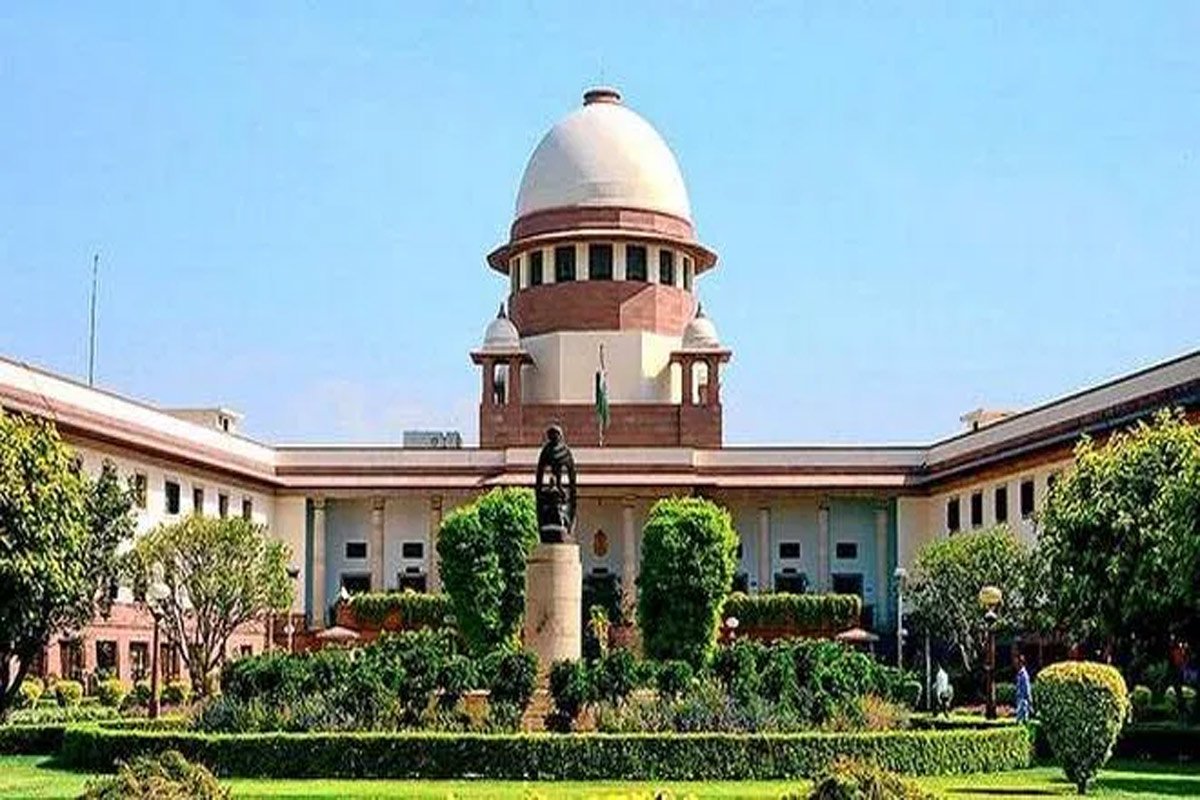
New Delhi, October 26: Medical negligence occurs when a healthcare professional does not meet the care standards that a reasonable practitioner would uphold in similar situations. This can result in serious harm to patients. Recently, the Supreme Court has clarified when doctors can be held accountable for medical negligence, addressing important aspects of patient rights and healthcare accountability. This article will discuss the significance of this ruling and answer key questions about medical negligence and how liability is determined.
What Constitutes Medical Negligence?
To establish medical negligence, several factors must be proven. Firstly, the healthcare provider must have owed a duty of care to the patient. Secondly, the provider must have failed to uphold this duty by not following the accepted standard of care. Thirdly, this failure must have directly led to patient harm. Finally, the patient must have experienced damages due to the negligence. The Supreme Court’s clarification underlines that not every negative outcome in medical treatment equates to negligence.
Why is the Supreme Court’s Ruling Significant?
This ruling is significant because it creates a benchmark for evaluating medical negligence cases going forward. It provides clearer guidelines for both patients and healthcare professionals regarding liability. The Supreme Court’s decision is expected to influence how legal claims are pursued and to offer clarity on what a breach of duty looks like and how causation is determined in negligence cases.
When Can Doctors Be Held Liable?
Doctors may be found liable for medical negligence if they fail to act according to established medical standards, which results in harm to the patient. The Supreme Court emphasized that a doctor’s actions should be assessed based on the standards of care relevant at the time of treatment. Thus, the decision-making process of the doctor and the context of care play a vital role in determining liability. The ruling stresses that simply having a poor outcome does not necessarily mean there was negligence.
The Role of Expert Testimony
Expert testimony often plays a crucial role in medical negligence cases. The Supreme Court pointed out that expert witnesses can shed light on what defines reasonable care in specific situations. Their insights can help determine whether a doctor’s actions align with accepted medical practices. This aspect of the ruling highlights the necessity of a thorough review of medical standards when assessing negligence claims.
How Does the Ruling Affect Patients?
Thanks to this ruling, patients now have a better understanding of their rights and the circumstances under which they can take legal action for medical negligence. It aims to empower patients by ensuring they know the care standards they should anticipate from healthcare providers. This increased awareness can lead to wiser decision-making regarding medical care and when to pursue legal avenues.
Implications for Healthcare Providers
For healthcare providers, the Supreme Court’s clarification serves as a reminder to maintain adherence to established medical standards. It underscores the importance of ongoing education and training to stay updated on the latest medical practices. Furthermore, the ruling encourages better communication with patients about treatment choices and associated risks, which can help reduce the likelihood of negligence claims.
The Future of Medical Negligence Cases
As the legal landscape for medical negligence continues to develop, the Supreme Court’s decision is likely to shape future cases. Legal professionals will need to adjust their approaches to comply with the clarified care standards. This ruling may also lead to a more in-depth examination of medical practices, ultimately benefiting both patients and healthcare providers.
The Supreme Court’s clarification on medical negligence liability marks a significant moment at the intersection of healthcare and the law. It provides vital direction for patients seeking justice for negligent care and for healthcare providers aiming to uphold expected standards.

















Leave a comment