


New Delhi, 13 June 2025: Businessman and socialite Sunjay Kapur, the ex-husband of Bollywood actress Karishma Kapoor, passed away at the age of 53 after reportedly suffering a massive heart attack while playing polo in the United Kingdom. The incident occurred during a weekend polo match where the industrialist collapsed on the field. Emergency medical teams rushed to his aid, but he was declared dead shortly after. Sunjay Kapur, who belonged to the high-profile Kapur family of Sona Group and was known for his love of sports, especially polo and motor racing, leaves behind his wife Priya Sachdev and three children, including two with Karishma Kapoor. His untimely demise has once again raised pressing questions about the growing trend of fatal heart attacks among men over 50, even those who appear active and health-conscious.
Why Are Heart Attacks Rising Among Men in Their 50s?
Once considered a condition of old age, heart attacks are increasingly affecting men in their early fifties, even those who maintain a fit and socially active lifestyle like Sunjay Kapur. This alarming trend is attributed to a combination of genetic predisposition, stressful lifestyles, underlying health conditions, and delayed diagnosis of silent heart diseases. In many cases, the first sign of heart trouble turns out to be a fatal event. The body’s ability to recover from cardiovascular stress weakens after 50, making early signs more subtle and less likely to be caught without regular medical screenings.
Key Causes of Heart Attacks in Men After 50
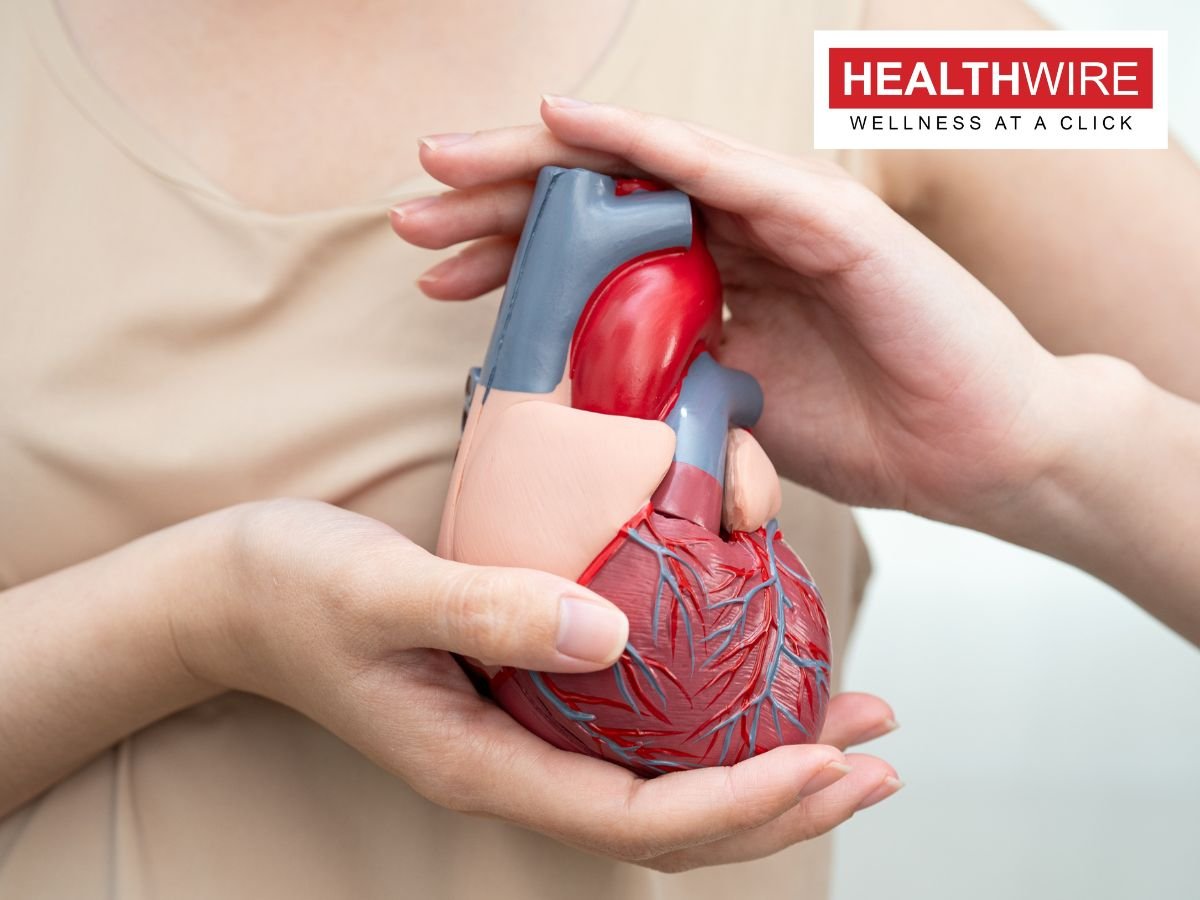
One of the primary causes of heart attacks in men above 50 is atherosclerosis, or the buildup of plaque in the arteries. Over time, cholesterol and other substances harden inside the arteries, narrowing them and limiting blood flow to the heart. A sudden rupture of this plaque can lead to clot formation and a complete blockage, resulting in a heart attack. High blood pressure is another major risk factor. Years of elevated blood pressure can damage the arterial walls and increase the heart’s workload, eventually leading to cardiac arrest. Type 2 diabetes, which often develops in midlife, significantly increases the risk of cardiovascular disease due to high blood sugar levels damaging the blood vessels. Additionally, obesity, particularly visceral fat around the abdomen, is closely linked with increased heart risks. Chronic stress and lack of sleep—common among high-achieving men in their 50s—also contribute to inflammation and irregular heart rhythms, further increasing the chances of a heart attack.
The Role of Lifestyle and Silent Warning Signs
While many men over 50 believe that an active lifestyle insulates them from heart disease, physical activity alone is not enough if it’s not paired with a heart-healthy diet, regular check-ups, and stress management. Men often ignore early signs such as fatigue, chest discomfort, shortness of breath during exertion, unexplained sweating, and disturbed sleep patterns, attributing them to work pressure or ageing. These silent symptoms, when overlooked, can lead to sudden cardiac events. Regular cardiac evaluations, including ECG, stress tests, cholesterol profiling, and blood sugar checks, are crucial after 45, especially for those with a family history of heart disease.
Genetic and Gender-Specific Factors in Midlife Heart Attacks
Men have a naturally higher risk of heart disease compared to women, especially before the age of 60 due to lower estrogen levels, which protect the female heart to some extent. Moreover, men like Sunjay Kapur, who have a family history of cardiac issues, are genetically predisposed to early heart disease. This genetic component often goes unmonitored due to an outward appearance of good health. In affluent, high-performing individuals, the pressure to maintain a certain lifestyle, travel frequently, and juggle business demands often leads to chronic sympathetic nervous system activation, which puts undue stress on the heart.
How to Reduce Heart Attack Risk After 50
To reduce the risk of heart attacks post-50, doctors recommend a combination of preventive screenings and sustainable lifestyle changes. Mediterranean or DASH-style diets, rich in fruits, vegetables, whole grains, lean protein, and healthy fats, can significantly reduce arterial inflammation and improve heart health. Avoiding tobacco, limiting alcohol, and ensuring 7-8 hours of quality sleep each night are equally important. Moderate daily aerobic activity, combined with resistance training, helps improve circulation, lower blood pressure, and manage weight. For men with a demanding lifestyle, stress-reduction techniques like yoga, meditation, and regular vacations are essential to protect heart health.
The Suddenness of Cardiac Death in Fit Individuals
Sunjay Kapur’s case highlights a disturbing phenomenon: the occurrence of sudden cardiac death (SCD) in fit individuals. SCD can occur without any previous diagnosis of heart disease and is often triggered by ventricular fibrillation—a chaotic heart rhythm. Polo, a physically demanding sport, can put acute stress on the cardiovascular system, especially in individuals with undiagnosed heart conditions like hypertrophic cardiomyopathy or coronary artery disease. Even elite athletes have succumbed to such events, underscoring the need for advanced screening like echocardiograms, CT coronary angiography, and cardiac MRI, particularly in those over 45 who engage in high-intensity sports.
Sunjay Kapur’s unexpected passing serves as a grim reminder that heart disease remains the leading cause of death among men worldwide, regardless of social status, wealth, or activity levels. It underscores the urgent need for greater awareness, proactive testing, and realistic health assessments rather than relying on appearances or occasional fitness routines. As families, peers, and public figures mourn his death, let this incident drive home the importance of not ignoring heart health after 50—and taking conscious, preventive steps before it’s too late.














Leave a comment