

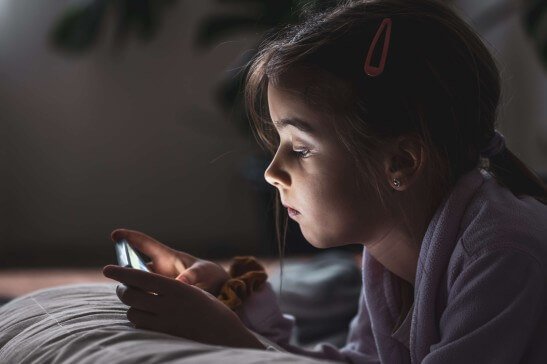
Inactivity has become a major concern in India, with alarming consequences for public health. According to the World Health Organization (WHO), adults should aim for at least 150 minutes of physical activity per week, while children and adolescents need at least 60 minutes of activity each day. Unfortunately, many in India fall far short of these recommendations, and the situation is even worse for children. Parents and teachers often prioritize academics over physical activity, believing that studying should come first and playtime later. This mindset is contributing to a growing health crisis.
One of the most persistent myths in India is that physical activity interferes with academic success. A healthier population translates into a more productive workforce, which in turn boosts the nation’s economy. The survey suggests that if India becomes fully active by 2047, it could increase the country’s GDP by over ₹15 trillion annually.
Gender Gap in Physical Activity
One of the most concerning findings from the survey is the significant gender gap in physical activity. This gap widens even further when girls reach adolescence, as they are often expected to take on more household chores and caregiving responsibilities. Girls in urban areas are particularly disadvantaged due to limited access to public spaces like parks and playgrounds, as well as safety concerns. Myths such as “pregnant and menstruating girls should not exercise” further discourage them from being active, even though exercise is beneficial for both conditions.
The survey found that three-quarters of the average Indian woman’s active time is spent on household chores and caregiving. A 33-year-old homemaker from Tamil Nadu shared her experience: “We don’t play any games here; when I go to my mother’s house, my sister and I play a game we used to play when we were young, called Pandi.”
The Urban-Rural Divide in Physical Activity
As India continues to urbanize rapidly, the inactivity rates in urban areas are nearly twice as high as those in rural areas. The survey highlights the urgent need to integrate physical activity into school curriculums. A staggering 67% of students surveyed reported that their schools lacked basic sports equipment like bats, balls, and rackets, and 21% said their schools didn’t even have a playground. Moreover, school sports facilities are often reserved for top performers, further discouraging participation among the general student body. Gender discrimination is also prevalent in schools, with girls in rural Tamil Nadu reporting that teachers often tell them that boys and girls should not play together.
The Need for Better Public Spaces
The survey also revealed that most people prefer public spaces that are close to home, clean, and free to use. About 70% of respondents mentioned that proximity—within 15 minutes from home—was a crucial factor in maintaining a regular exercise routine. However, in the national capital, 51% of parks were found to be dirty and lacked basic amenities like dustbins. Safety is another major concern, especially for women, who are often deterred from using public spaces due to poor lighting and unruly crowds.
The survey, conducted across Maharashtra, Uttar Pradesh, Odisha, and Tamil Nadu, included focus group discussions with parents, blue-collar workers, physical education teachers, and students. The findings underscore the need for a cultural shift in India’s attitude towards physical activity. By promoting the importance of regular exercise, debunking harmful myths, and improving access to safe and clean public spaces, India can move towards a healthier and more active society by 2047. This not only benefits individuals but also has the potential to significantly boost the nation’s economy.














Leave a comment