

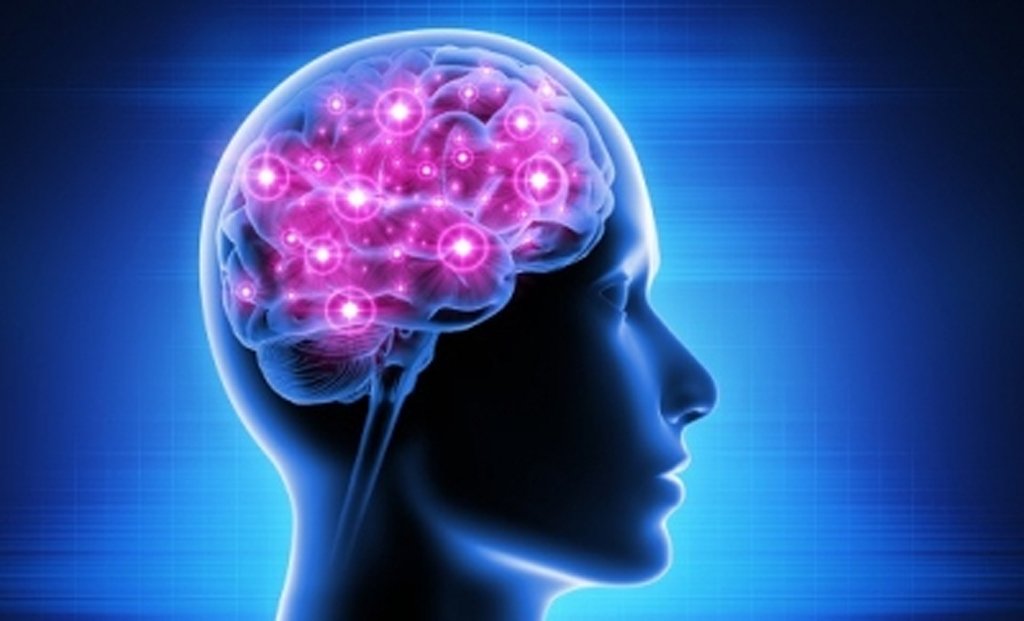
A stroke is a serious medical emergency that occurs when blood flow to the brain is suddenly interrupted. However, not all strokes happen without warning. In some cases, people may experience subtle symptoms days or even weeks before the event. These early warning signs may be linked to a Silent Stroke, a type of stroke that causes small areas of brain damage without obvious immediate symptoms.
Doctors warn that recognising these early signals is crucial, as a major Stroke can often be prevented with timely medical intervention. A stroke can occur due to a blocked artery, known as Ischemic Stroke, or from bleeding in the brain.
Here are six warning signs that may appear days before a stroke.
1. Sudden weakness or numbness
One of the most common warning signs is sudden weakness, numbness, or tingling in the face, arm, or leg—especially on one side of the body. Even if the sensation disappears quickly, it could signal a temporary interruption of blood flow to the brain.
2. Difficulty speaking or understanding speech
Trouble speaking clearly, slurred speech, or difficulty understanding conversations can be an early indicator of reduced blood supply to the brain. These symptoms may appear briefly and then resolve, but they should always be taken seriously.
3. Severe or unusual headaches
A sudden, intense headache that feels different from previous headaches could be a warning sign of a stroke. In some cases, headaches occur due to changes in blood flow or pressure in the brain.
4. Vision problems
Blurred vision, double vision, or temporary loss of sight in one or both eyes may occur before a stroke. The brain areas responsible for visual processing can be affected when blood flow is disrupted.
5. Loss of balance or coordination
People may suddenly feel dizzy, unsteady, or have difficulty walking. Problems with coordination or balance can occur when certain parts of the brain are not receiving enough oxygen.
6. Sudden confusion
Feeling confused, disoriented, or having trouble concentrating can also signal a possible stroke risk. Changes in cognitive function may occur when brain cells are deprived of oxygen-rich blood.
When these symptoms may signal a mini-stroke
Many early warning signs of stroke are linked to a Transient Ischemic Attack (TIA), often called a “mini-stroke.” A TIA temporarily blocks blood flow to the brain but does not cause permanent damage. However, it is a major warning sign that a full stroke could occur in the near future.
Who is at higher risk?
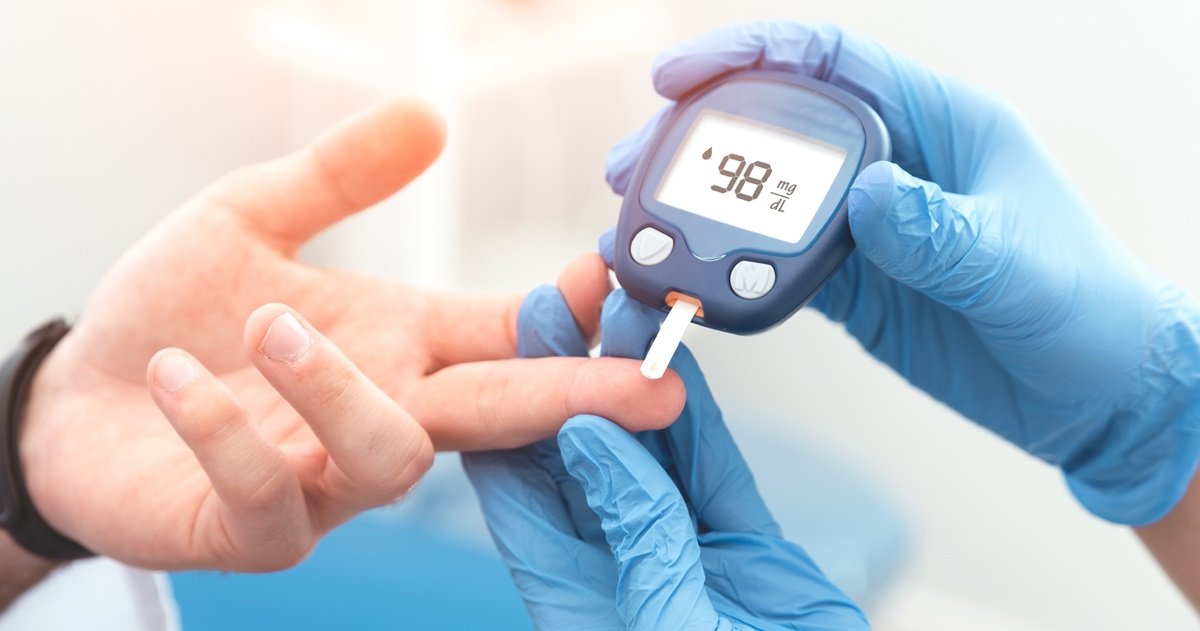
Several health conditions increase the risk of stroke, including High Blood Pressure, Type 2 Diabetes, high cholesterol, smoking, obesity, and a sedentary lifestyle. Stress and lack of physical activity may also contribute to increased stroke risk.
How to reduce the risk of stroke
Doctors recommend maintaining a healthy lifestyle to lower the risk. Regular exercise, a balanced diet, controlling blood pressure and cholesterol, and avoiding tobacco use can significantly reduce stroke risk.
Most importantly, any sudden neurological symptoms—no matter how brief—should be treated as a medical emergency.
Recognising these early warning signs can save lives, as prompt medical attention can prevent a major stroke and reduce the risk of long-term brain damage.









Leave a comment