

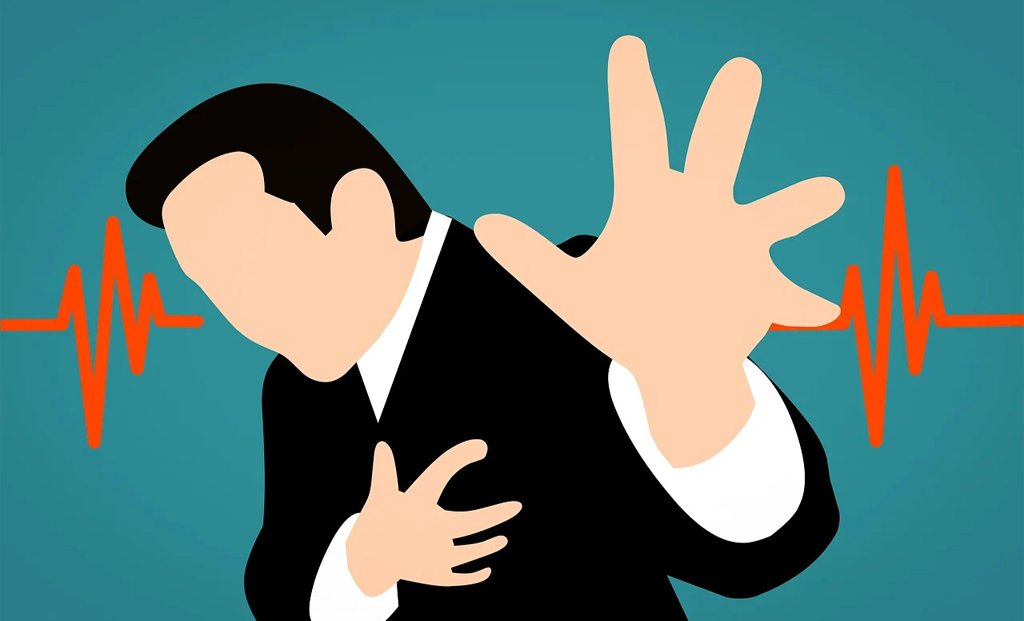
Keeping your heart healthy is really important, but it’s easy to miss signs that something might be wrong. One serious issue to watch out for is heart blockage, also known as coronary artery disease (CAD). This happens when there’s a build-up of plaque in the tubes that carry blood to your heart, and it can cause serious problems like heart attacks. Here are 6 common signs that could mean you might have a heart blockage.
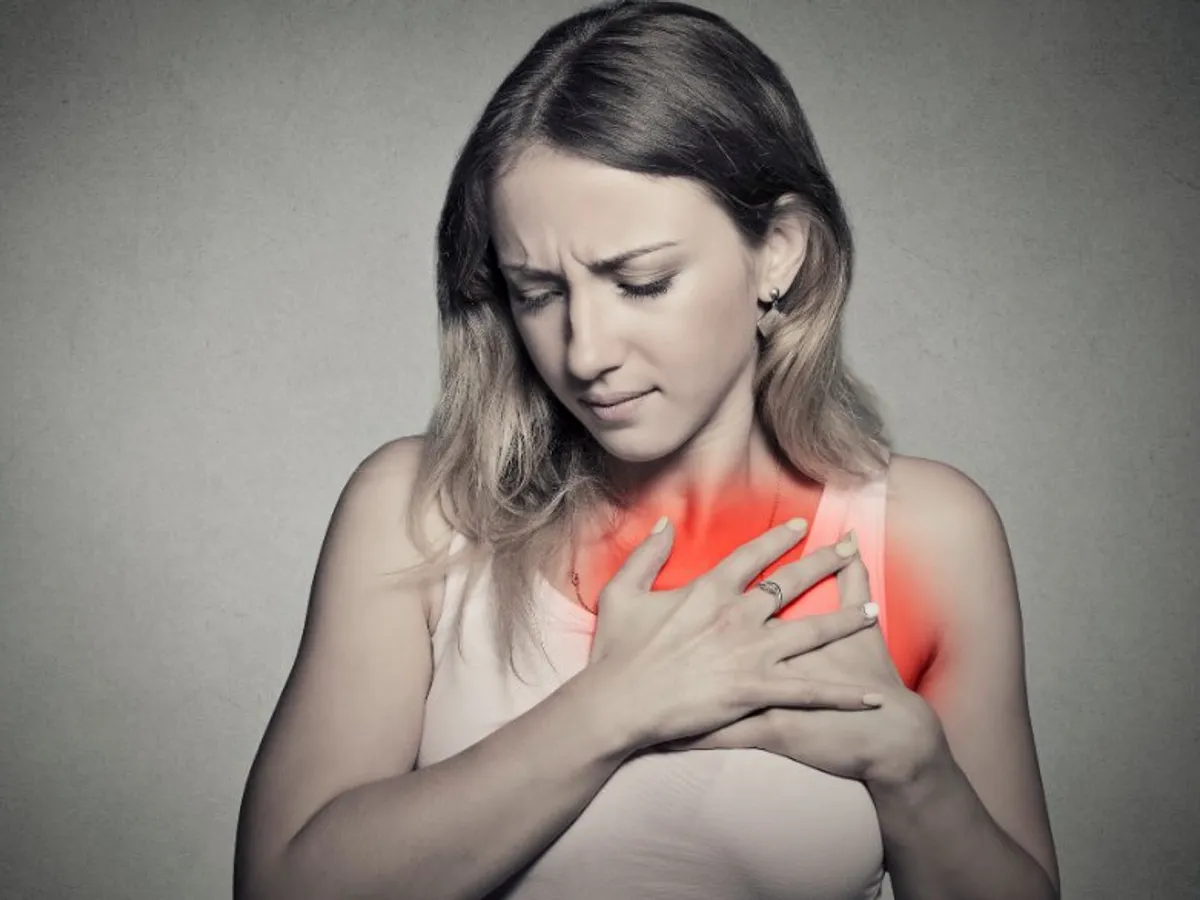
1. Chest Discomfort: If your chest feels heavy, tight, or painful, it could be a sign of heart blockage. This feeling might also go to your arms, neck, jaw, or upper back. If you feel this, especially during exercise or stress, it’s important to see a doctor right away.
2. Difficulty Breathing: As heart blockage gets worse, your heart might not be getting enough blood, making it tough to breathe. If you find it hard to catch your breath, especially during activities or stressful situations, it could be a sign of heart issues.
3. Dizziness or Feeling Light-headed: Not having enough blood going to your heart can make you feel dizzy or light-headed. If this happens, especially with other symptoms like chest pain, it’s crucial to get medical help.
4. Feeling Tired and Weak: When your heart can’t pump well because of blockages, it can make you feel tired and weak. If you’re often tired or lacking energy, it’s a good idea to see a doctor to check for any heart concerns.
5. Irregular Heartbeats: Heart blockages can mess with the signals in your heart, causing irregular heartbeats or palpitations. If you feel your heart fluttering or racing unexpectedly, it’s important not to ignore it. Seek medical advice to make sure your heart is healthy.
6. Pain in Upper Body: Sometimes, you might feel discomfort or pain in your upper back, arms, shoulders, neck, or jaw. These pains could be warning signs of a heart blockage, especially if they happen with other symptoms mentioned above. Don’t ignore such pains; talk to a doctor about them.
Remember, paying attention to these signs and getting medical help if needed is crucial for your heart health. If you ever experience any of these symptoms, it’s better to be safe and get them checked out by a healthcare professional. Taking care of your heart is an important part of staying healthy, and finding any issues early can make a big difference.












Leave a comment