

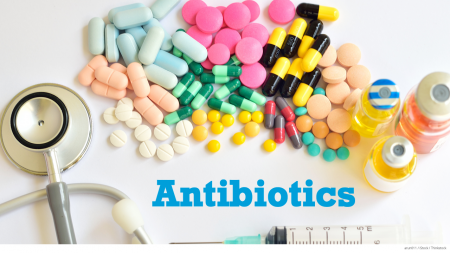
New Delhi, 10 January, 2026: New research suggests that antibiotic use during pregnancy—long considered a protective step in many clinical settings—may be linked to an increased risk of Group B Streptococcus (GBS) disease in newborns. The findings, published in the Journal of Infection, offer new insight into how prenatal medicines might influence early-life bacterial disease risk.
What Is Group B Streptococcus (GBS)?
Group B Streptococcus is a type of bacterium commonly found in the digestive tract and vagina of healthy adults. In adults, it often causes no symptoms and remains harmless. However, GBS can be dangerous for newborns—especially in the first days and weeks of life—leading to severe infections such as sepsis, pneumonia, and meningitis. These conditions can be life-threatening if not promptly treated.
Routine prenatal screening in many countries includes testing for GBS late in pregnancy (typically around 35–37 weeks) to identify mothers who carry the bacteria. Standard clinical practice for GBS-positive mothers is to administer antibiotics during labor to reduce the risk of transmitting the bacteria to the baby during delivery. This strategy significantly lowers the incidence of early-onset GBS disease in newborns.
The New Study: Antibiotics Before Birth and GBS Risk
The recent study analyzed data from more than 1 million pregnancies in Sweden between 2006 and 2016. Researchers examined whether exposure to antibiotics at various stages before birth was associated with the development of GBS disease in infants during the first four weeks after delivery.
Researchers are investigating why prenatal antibiotic exposure might increase the risk of neonatal GBS disease. One theory is that antibiotics could disrupt the maternal microbiome—the community of beneficial and harmful bacteria in the body. This disruption could reduce natural competition and allow pathogenic bacteria like GBS to proliferate or increase susceptibility to infection in newborns. Learned immune responses passed from mother to baby might also be affected.
Other research has shown that early-life antibiotic exposure can alter an infant’s developing microbiome in ways that may affect immunity and disease susceptibility later in life. While most studies focus on antibiotics given during or after delivery, this study highlights the importance of timing and broader antibiotic impacts.
Current Guidelines Still Recommend Screening
Despite the new findings, prenatal GBS screening and appropriate antibiotic prophylaxis during labor remain standard practices for reducing early-onset GBS disease. Healthcare providers continue to follow established protocols, as the benefit of intrapartum antibiotics in preventing neonatal infection has been consistently demonstrated












Leave a comment