

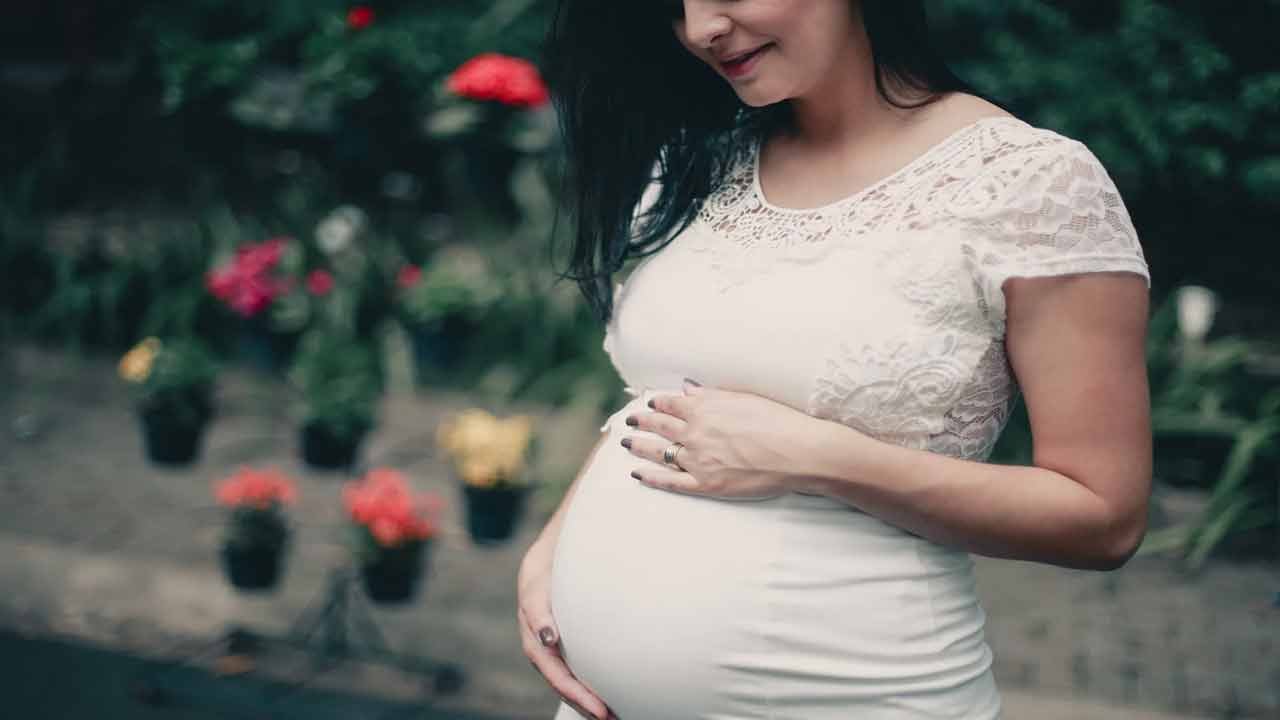
Pregnancy is one of the most delicate phases in a woman’s life, requiring careful attention to nutrition, lifestyle, and environmental conditions. Although maternal health, genetics, and access to medical care have been a well-known risk factor in the past, it has become evident that there is one more major danger to pregnancy, which is extreme temperatures. There is mounting scientific evidence that high temperatures of exposure to extreme heat and cold during pregnancy would lead to high chances of pre-term birth.
Recent studies have shown that pregnant women who are educated to be exposed to extreme temperature conditions are at risks of delivery of preterm babies twice than those who are in moderate undergoings. This has raised an alarm among medical practitioners especially now that the extreme weather phenomena are becoming common in most regions of the globe due to the variations in climates and increase in global temperatures.
Medical practitioners reiterate that pregnancy already produces excessive physiological burdens on the body and exposing the body to adverse environmental conditions may act to impose further burdens on balancing the roles of the body in such a critical phase. The connection between an extreme of temperatures and the pre-term birth is thus gaining increasing importance in ensuring the health of both mothers and babies.
What is Pre-term Birth?
Pre-term birth is the birth of the baby that is less than 37 weeks pregnancy-wise. Prematurely born babies are usually vulnerable to other health complications, such as problems breathing, infection, developmental delays, and health complications in the long run. Howard, the international health analysts say that pre-term birth is among the top causes of infant mortality in the world.
Although various familiar causes have been identified as having an influence on premature delivery including infection, high blood pressure in pregnancy, multiple pregnancy, and the health conditions of the mother, the environmental stressors have now been noted as an additive risk factor.
According to medical researchers exposure to extreme temperatures can interfere with complicated processes of physiology known to support pregnancy; thus increasing the possibility of early labour.
How Pregnancy Changes the Body?
According to Dr. Meghana Reddy Jetty, Senior Consultant – Obstetrics, Gynecology, Laparoscopy and Aesthetic Gynecology, Aster Whitefield Hospital, pregnancy is a state in which the body works continuously to support both the mother and the developing fetus.
“The research establishes that extreme temperature exposure doubles the risk of Preterm Birth because environmental elements exceed their previous understanding of maternal health impacts,” she explains.
The explanation of doctors is that, pregnancy generates a lot of physical demands in the body that extreme temperatures interfere with during the vital stage of gestation. According to medical experts, there is constant physiological work of the body of a pregnant woman to regulate the body temperature and the blood circulation and fluid balance during the formation of a fetus.
Such processes play a critical role in ensuring a stable environment of the baby in the womb. Any violation of such a fine balance, be it due to dehydration, inflammation or lessening of blood flow can escalate the stress applied to both mother and fetus.
The Impact Of Extreme Heat On Pregnancy
None of the environmental threats to the maternal health are raising more concerns than extreme heat. Climate change has led to the emergence of heat waves in several areas and the expectant women are susceptible to the impacts of heat waves.
According to Dr. Jetty the high temperatures during exposure to the high temperatures can cause various physiological changes in the body that could put the body at risk of premature birth. “Extreme heat exposure causes dehydration and worsens body inflammation which places extra strain on the cardiovascular system,” she says.
Dehydration is particularly harmful in pregnancy since it decreases volume of fluid in the body that may impact on blood flow to the placenta. The placenta plays a role of supplying the developing baby with oxygen and nutrients and any interruption with this may cause complication.
Additionally, heat stress may trigger the inflammation process in the body which could affect the hormonal processes related to labour.
“The physiological changes in the body may start uterine contractions before their normal time and they also reduce blood flow from the placenta which increases the chances of early delivery,” Dr. Jetty explains.
Exposure to heat as well causes increased release of stress hormones by the body. These hormones have the ability to change the required hormone balance needed in sustaining the pregnancy and this could lead to premature labour.
Pregnant women who spend much time outdoors or spend much time in relatively hot, poorly-ventilated places, may therefore be at risk in areas experiencing prolonged and severe heatwaves.
Why Dehydration Is Dangerous During Pregnancy?
Hydration is also very vital in the healthy pregnancy. Proper fluid levels contribute membrane maintenance of temperature of the body, the flow of blood and the amniotic fluid surrounding the baby.
Hot weather causes the body to lose more water content in form of sweat endangering the occurrence of dehydration. Uterine contractions can be a result of even mild dehydration and they can resemble or even start labour.
Moreover, a decreased level of fluid may cause a slight viscosification of the blood, which may have implications on the efficiency at which oxygen and nutrients reach the placenta.
That is the reason why doctors highly recommend that the pregnant women drink more water especially in hot weather and do not spend much time under high temperatures.
Hidden Risks Of Extreme Cold
Even though the impact of heat on pregnancy has been addressed extensively, excessive cold can also be very dangerous to the health of both the mother and the child.
The long-term exposure to the extremely low temperatures has negative effects on the maternal health. Low temperature makes the blood vessels constrict or to be narrow by a process known as vasoconstriction resulting in lesser blood flow to the placenta.
The body has a natural mechanism through which it conserves heat by vasoconstriction. The body can tighten blood vessels in the skin and extremities, decreasing the body heat loss. The process, however, can also have an effect on circulation in other body parts, such as the placenta.
“This situation might lead to a decrease in oxygen and nutrient transport to the fetus which results in an increased possibility of negative pregnancy results,” explains Dr. Jetty.
In cases where blood supply to the placenta becomes insufficient the baby may not get sufficient oxygen and other nutrients necessary to grow and develop properly. As time progresses, this decreased supply may cause a stress to the fetus and higher the possibility of being born prematurely. Pregnant women who spend long periods outdoors in extremely cold weather but lack protection are thus more at risk in such a situation.
Climate Change And Pregnancy Risks
Medical experts have told us that climate change is rendering climatic risks to be more relevant than ever. Increased global temperatures are also adding to the increased frequency and severity of heat waves, and unpredictable climatic situation patterns are also resulting in extreme cold spells in certain areas.
According to doctors, these risks are becoming increasingly more pertinent than ever due to climate variability and increasing global temperatures. The population that is at risk includes expectant mothers residing in cities or those who are affected by heat waves and the cold.
In cities, it is natural to experience heat because of the urban heat island effect whereby concrete structures, asphalt, and little green areas induce heat traps and increase the temperature in the surrounding. In pregnant women residing in the crowded urban areas the effects of hot weather may therefore be even more significant.
Who is Most at Risk?
Even though the women concerned may be any pregnant woman, some groups may be at a greater risk than others. Women living in the regions where there are no means of controlling climatic conditions, like air-conditioning or heating systems, can be more exposed. In individuals with jobs involving working outside or having minimal ventilation, they can also be exposed to a higher degree.
Doctors also point out that women who do not have a regular prenatal care do not get a good advice on how to deal with environmental risks during pregnancy.
According to Dr. Jetty, women who have no access to climate-controlled areas require more hydration and prenatal care face more risks. Women in rural areas, migrants, and the low-income communities might thus experience inequality in terms of vulnerability to the risks of occurrence of extreme weather events.
Warning Signs Pregnant Women Should Watch For
Stress on the body can be caused by exposure to extreme temperatures exhibiting the symptoms. These signs can be noticed in the initial stage and medical attention obtained to avoid complications.
Symptoms to be observed by pregnant women as advised by doctors include:
- Permanent dizziness or lightheadedness.
- Excessive fatigue
- Severe headaches
- Urine dry-up or slow urination.
- Cramps or contractions in the abdomen.
- Fast breathing or dyspnea.
In case these symptoms can be observed, particularly under extreme temperatures of either hot or cold, it might be important to seek medical assistance to make sure that mother and baby are safe.
Preventive Measures For Pregnant Women
A number of preventive measures can contribute considerably to minimising the risk factors of extreme temperatures during pregnancy.
Brophylaxis adopted by pregnant women should also involve keeping hydrated and increased exposure to heat outdoors and high temperatures in extremities and wearing appropriate clothing and seeking medical assistance when they experience dizziness or fatigue or start experiencing contractions.
A few such practical measures are:
Stay Hydrated
Consumption of a lot of water in the daytime will assist in controlling the body temperature and keep blood flowing well. In hot seasons pregnant women should drink more fluids to replace water being lost through sweat.
Avoid Peak Heat Hours
When there is a heatwave, it would be good to remain at home at the hottest time of the day, usually later in the morning till mid-afternoon. In the case that outdoor activity cannot be avoided, it can be beneficial to wear light and breathable clothing and find out the shade.
Dress Appropriately For Cold Weather
When it becomes cold, it is advisable to have many layers of clothes that would keep body heat, and guard against temperature changes. Exposure can also be minimised by wearing warm gloves, scarves and insulated foot wear.
Maintain Comfortable Indoor Temperatures
The comfortable indoor climate can be maintained with the use of fans, air conditioners, heaters or adequate ventilation. Even the simplest of interventions like covering the windows with shades during heat waves will help to control the indoor temperatures.
Attend Regular Prenatal Check-ups
Regular prenatal checkups also enable the doctor to observe the health of the mother as well as identify some of the problems early enough. The visits also help the healthcare providers evaluate the environmental exposures that have the potential of impacting the results of pregnancy.
Role Of Healthcare Providers
The health care practitioners are also coming to realise that environmental health contributes to good care during pregnancy. According to physicians, environmental exposure during prenatal health care is an indispensable aspect of maternal care to their patients, and prevention of extreme temperatures will assist physicians in reducing Preterm Birth rates throughout the world.
Setting up questions to the patients regarding their conditions at home, work, and their exposure to extreme temperatures, healthcare professionals can detect possible risks at an early stage and prescribe precautionary interventions.
The use of public health strategies can be effective in modifying the issues of pregnancy due to climate. This may take the form of better urban planning, cooling centre in times of heatwave and community education.
The results that extreme temperatures are connected with an increased incidence of pre-term births prove the necessity of a more comprehensive approach to the well-being of mothers, which is based not only on the medical condition but also includes environmental factors.
The doctors also hope that more people will act since research is still going on, trying to link climate and the outcome of pregnancy, and that more awareness will lead to better solutions being taken.
It is not the health of only an individual that is at stake when the expectant mother is guarded against adverse weather conditions but it is a fundamental move to ensuring that the world has better maternal and neonatal outcomes.
With climate extremes increasingly prevalent across the world, safety in pregnant conditions could be among the most crucial challenges in terms of the concern of the upcoming decades of the field of public health.
Disclaimer: The information provided in this article by Healthwire Media is for general informational and educational purposes only. It is not intended to replace professional medical advice, diagnosis, or treatment. While we strive to provide accurate and up-to-date information based on trusted sources such as WHO, Mayo Clinic, and government health guidelines, medical information can change over time. Always consult a qualified doctor or healthcare professional before making any health-related decisions, especially if you have any existing medical conditions or concerns. Do not ignore or delay seeking medical advice based on information you have read on this website. For more details, please read our full Medical Disclaimer page.











Leave a comment