


New Delhi, 08 October, 2025: Prediabetes is a silent red flag that your body is struggling to manage blood sugar effectively. It means your glucose levels are higher than normal but not yet in the diabetes range. Left unchecked, prediabetes can progress to full-blown type 2 diabetes — a condition that can affect your heart, kidneys, vision, and nerves.
The good news: early detection and lifestyle changes can reverse prediabetes. Recognizing the warning signs early can give you a crucial window to protect your long-term health.
What Is Prediabetes?
Prediabetes occurs when your blood sugar levels are elevated but not high enough to be classified as diabetes. It is typically diagnosed through:
- Fasting blood sugar: 100–125 mg/dL
- HbA1c levels: 5.7%–6.4%
According to health experts, millions of people may have prediabetes without knowing it — because the condition often develops slowly and without obvious symptoms.
Early Warning Signs of Prediabetes
Prediabetes symptoms can be subtle, but your body often gives early clues. Watch out for:
1. Increased Thirst and Frequent Urination
When blood sugar levels rise, your kidneys work harder to flush out the excess glucose through urine. This can leave you dehydrated and thirsty.
2. Unexplained Fatigue
High glucose levels prevent your body from efficiently converting food into energy, making you feel tired even after adequate rest.
3. Increased Hunger
Fluctuating insulin levels can make you feel hungry more often — even shortly after meals.
4. Blurry Vision
Rising blood sugar can cause the lens of your eye to swell, leading to temporary changes in vision.
5. Dark Patches on the Skin
A condition called acanthosis nigricans — often appearing on the neck, armpits, or groin — is a common sign of insulin resistance.
6. Slow-Healing Wounds
High blood sugar can impair blood circulation, slowing down the healing process of cuts and bruises.
7. Tingling in Hands or Feet
This may signal nerve damage, an early complication of abnormal glucose levels.
Who Is Most at Risk?
Some people are more likely to develop prediabetes, especially if they have:
- A family history of type 2 diabetes
- Overweight or obesity, especially excess belly fat
- A sedentary lifestyle with little physical activity
- High blood pressure or abnormal cholesterol levels
- Polycystic ovary syndrome (PCOS) in women
- Age above 35 years
Additionally, prediabetes can affect younger adults and even children if lifestyle habits are poor.
Why You Shouldn’t Ignore Prediabetes
Prediabetes is reversible, but only if caught in time. Ignoring it can lead to type 2 diabetes, which brings long-term complications such as:
- Heart disease and stroke
- Kidney damage
- Nerve pain or neuropathy
- Vision loss or blindness
- Poor wound healing
Health experts say that up to 70% of people with untreated prediabetes may develop type 2 diabetes. But making the right changes early can cut that risk by more than half.
How to Confirm Prediabetes
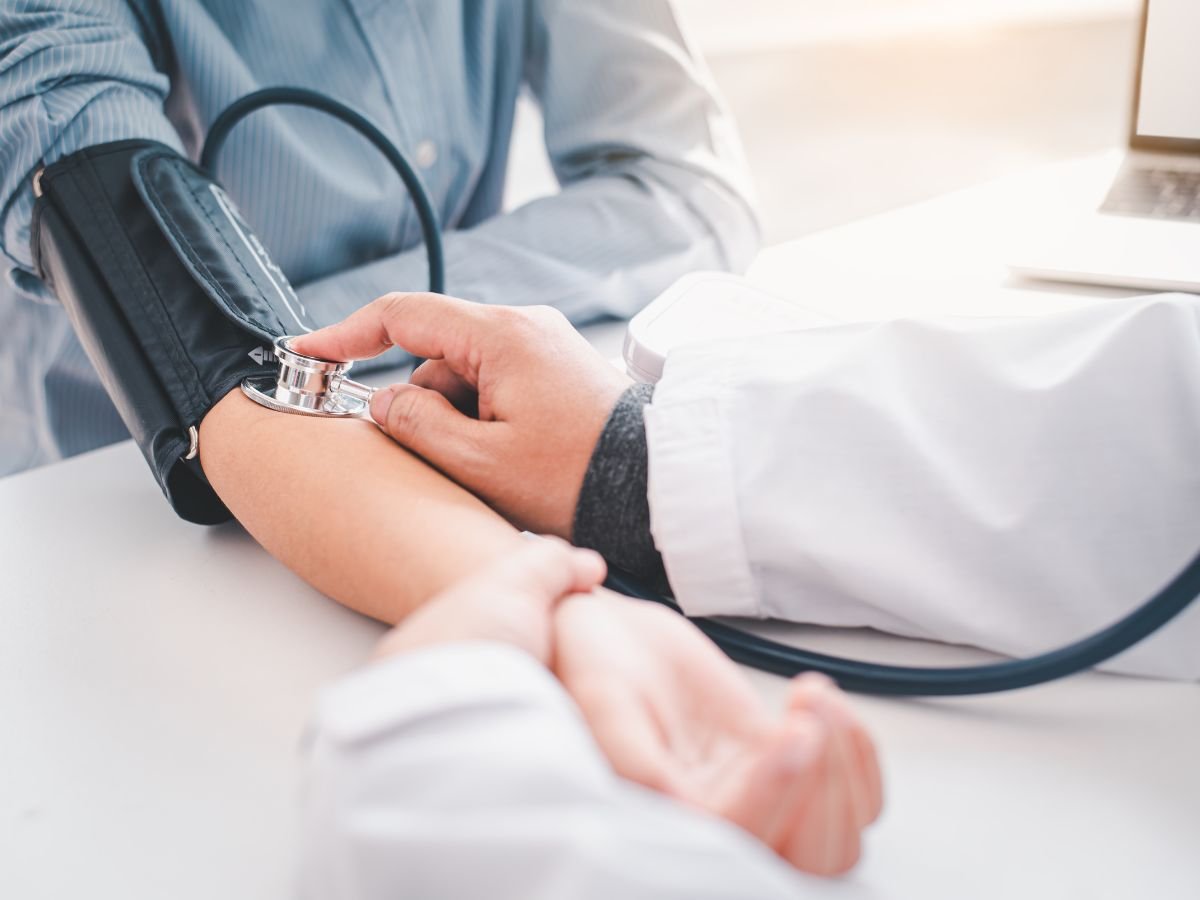
If you notice any warning signs or fall in the high-risk group, consult your doctor for:
- Fasting blood sugar test
- HbA1c blood test
- Oral glucose tolerance test (OGTT)
These tests can detect prediabetes early, often before major symptoms appear.
Simple Lifestyle Changes That Can Reverse Prediabetes
1. Move More
Aim for at least 30 minutes of moderate physical activity five days a week. Walking, swimming, or strength training improves insulin sensitivity.
2. Choose Balanced Meals
Eat more fiber-rich foods like whole grains, fruits, vegetables, and lean proteins. Avoid refined carbs, sugary drinks, and processed snacks.
3. Maintain a Healthy Weight
Even a 5%–7% weight loss can significantly lower your risk of developing diabetes.
4. Prioritize Sleep
Lack of quality sleep affects hormone regulation and can raise blood sugar levels.
5. Manage Stress
Chronic stress triggers hormonal changes that raise blood glucose. Yoga, breathing exercises, or mindfulness can help.
When to See a Doctor
Don’t wait for severe symptoms. If you have any of the early warning signs or risk factors, schedule a blood sugar test. Early intervention is key to preventing progression to diabetes.
Prediabetes is your body’s early warning system. By paying attention to subtle signs like fatigue, dark skin patches, or frequent urination, you can act before the condition turns serious.
With timely testing, diet and exercise modifications, and regular monitoring, prediabetes can be fully reversed — giving you control over your long-term health.














Leave a comment