Polycystic Ovary Syndrome (PCOS) is a common hormonal disorder affecting women of reproductive age, characterized by an imbalance in reproductive hormones that can lead to irregular menstrual cycles, ovarian cysts, and metabolic issues.
Early recognition is crucial because PCOS is linked to long-term health risks such as infertility, type 2 diabetes, obesity, and cardiovascular problems. Common early symptoms include irregular or absent periods, where cycles may be fewer than eight per year or completely skipped, excess androgen levels resulting in unwanted facial or body hair growth, acne, or male-pattern baldness, and polycystic ovaries, detectable via ultrasound, where the ovaries may appear enlarged and contain multiple small follicles. Other subtle signs can include weight gain, especially around the abdomen, thinning hair on the scalp, darkening of the skin in certain areas such as the neck, armpits, or groin, and skin tags, which are small, soft growths. Women with PCOS may also experience difficulty conceiving due to irregular ovulation or anovulation, along with mood swings, fatigue, or sleep disturbances.
Management of PCOS involves a combination of lifestyle changes, medical treatment, and ongoing monitoring. Lifestyle interventions are foundational, including maintaining a healthy weight through balanced diet and regular exercise, which can improve insulin sensitivity, regulate menstrual cycles, and reduce androgen levels. Medical management depends on the specific symptoms: hormonal contraceptives such as birth control pills are commonly used to regulate periods and reduce androgen levels; insulin-sensitizing drugs like metformin can help with metabolic issues; anti-androgen medications may address excess hair growth and acne; and fertility treatments such as ovulation-inducing drugs may be necessary for women trying to conceive.
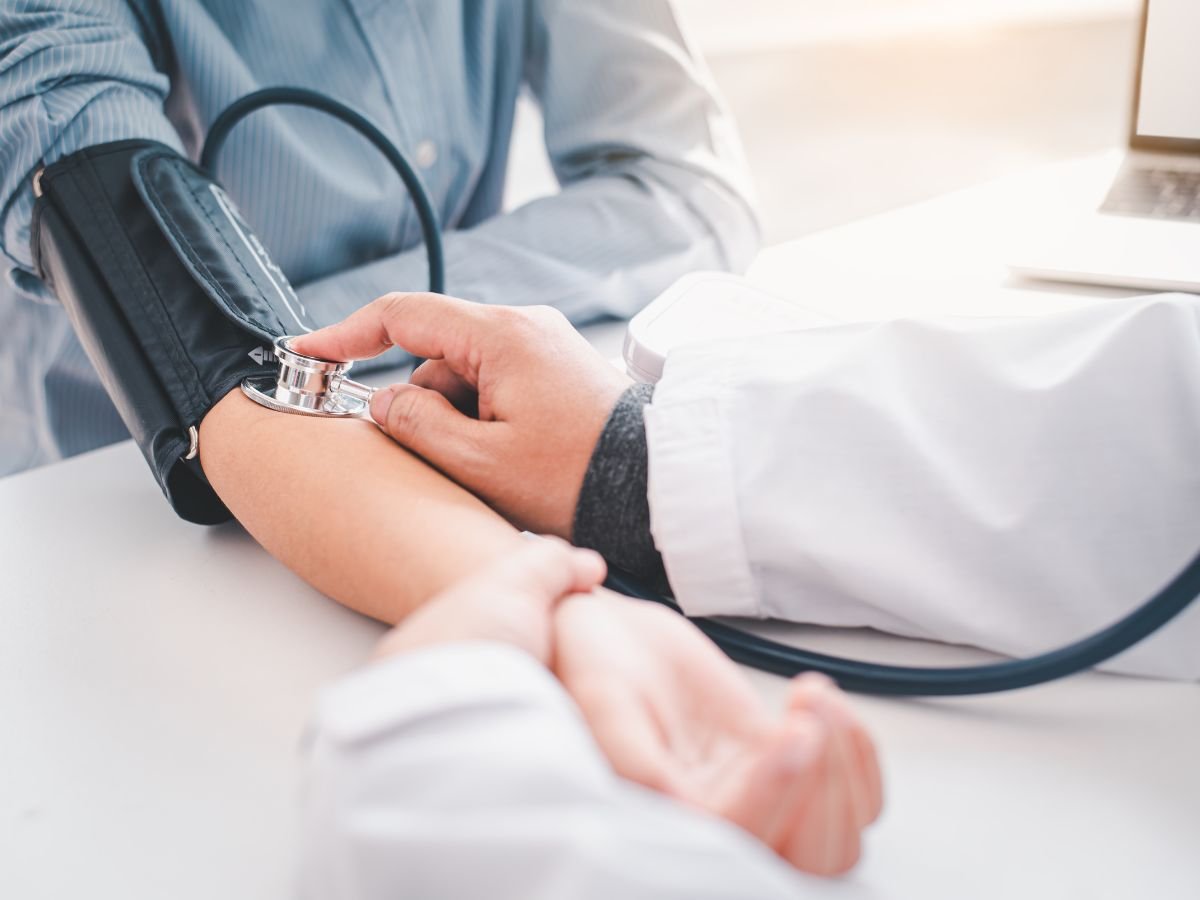
Regular monitoring and preventive care are also important, including periodic blood tests to check glucose and lipid levels, blood pressure monitoring, and assessment of reproductive health. Additionally, mental health support, stress management techniques, and counseling can be valuable, as PCOS is associated with higher rates of anxiety and depression. Early recognition, consistent management, and a holistic approach combining lifestyle, medical, and psychological support can help women with PCOS lead healthy lives, improve fertility outcomes, and reduce the risk of long-term complications.
Awareness of the early signs and prompt consultation with a healthcare professional are key to controlling symptoms and maintaining overall well-being.