

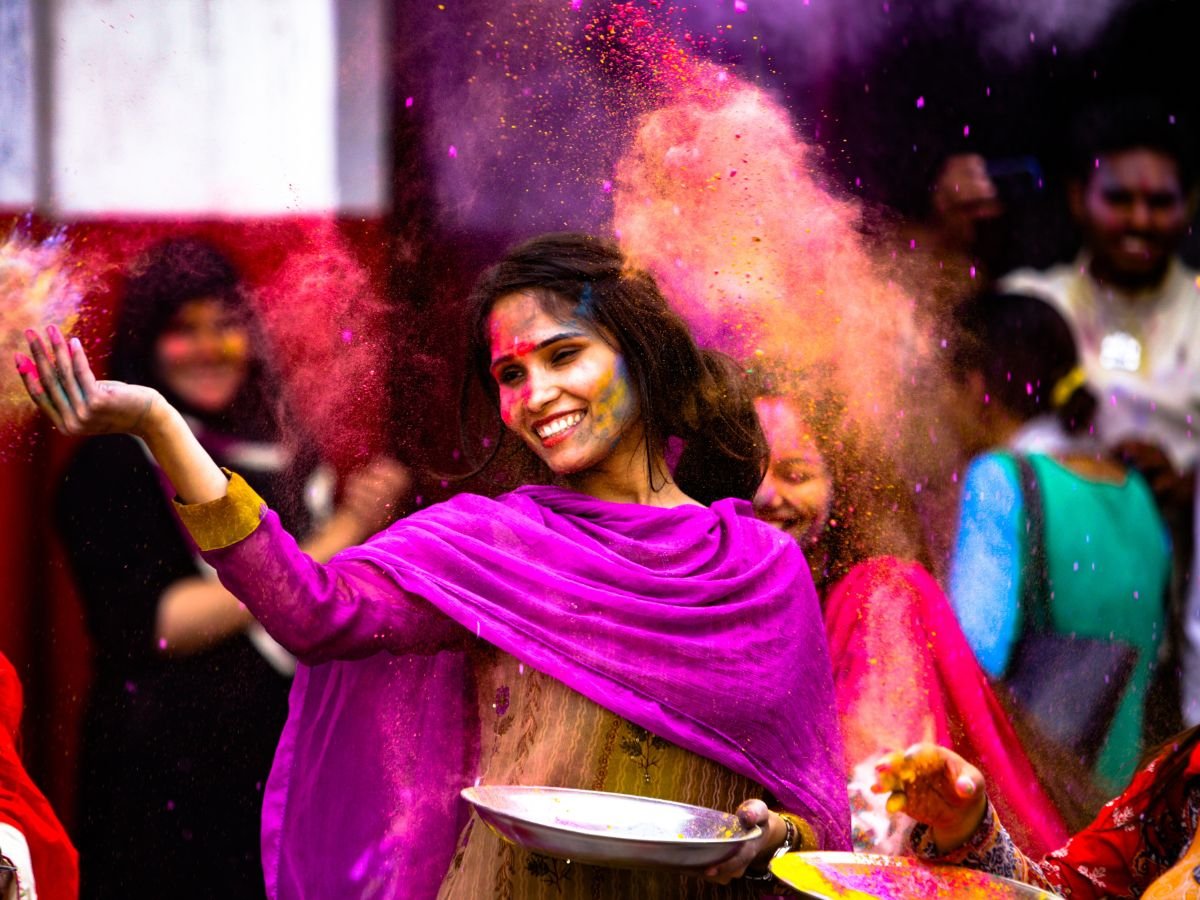
Holi is a festival of colour, warmth and outdoor happiness. But once combined with such factors as severe sun exposure, increasing pollution rates and unnatural colour effects, the skin is exposed to a three-fold attack that may weaken its defenses, increase ageing and cause inflammation. Outdoor activities during festive seasons expose the skin to ultraviolet radiations, aerosol flying particles, and other brutal chemical dyes in the manner that is poorly considered.
Barrier Breakdown Under Combined Stress
According to Dr Shweta Manchanda, Visiting Consultant – Dermatology, Aakash Healthcare, “The natural lipid barrier of the skin is undermined because of the extended exposure to sunlight at the time of the celebrations at late mornings and afternoons. The rays of ultraviolet A and B interfere with collagen fibres and decrease moisture retention. Once this weakened protective barrier is exposed to synthetic Holi colours, which normally include heavy metals, industrial dyes and particles of mica, the pigments enter the body easier and cause irritation, redness and long-lasting staining.
This harm is also augmented by pollution, which accumulates small particles of matter, which worsens the state of oxidative stress. Enhancing the defence barrier by pre-festival hydration, moisturisers based on ceramides, and broad-spectrum sunscreen can work wonders to decrease this risk, and post-holi barrier repair facials can work towards restoring resilience.
Oxidative Stress and Premature Ageing
Exposure to sunlight produces skin-based free radicals. This oxidative load is increased by pollution and some of these artificial colours can have photo-reactive compounds which accelerate the process when subjected to UV light. The outcome is speedy degeneration of collagen, disproportionate pigmentation and lacklustre. People usually find that they have more tan lines, blotches of darkened skin and coarse skin following the festival. Topical serums enriched in antioxidants, vitamin C pills and professionally administered bleaching therapies may be used to counteract the free radicals and revert the photodamage.
Severe Dehydration and Dryness
Direct sunlight enhances the water loss through the epidermis. Natural oils in the skin are absorbed by colours particularly the powder based colours. The pollutants block the pores and interfere with the balance of hydration. These aspects combined lead to tightness, flakiness and itching. Flare-up is frequent in people having sensitive skin, eczematous or rosaceous. Deep hydration treatments, relaxing masks with hyaluronic acid and mild procedure with sensitive skin in mind give the relief and contribute to restoring the degree of moisture.
Inflammatory Reactions and Contact Dermatitis
Either of these reactions may be recognized as the cause of the present case. Either of these reactions can be identified as the cause of the current case. Most of the synthetic colours used in Holi include some chemicals like lead oxide, copper sulphate or chromium compounds, which are capable of provoking either allergic or irritant contact dermatitis. The skin becomes vulnerable with regards to the polluted air and inflamed by the sun, and its capacity to withstand decreases significantly.
They can manifest in the form of burning sensation, rashes, swelling and small blisters. Premature dermatological diagnosis is necessary. Anti-inflammatory creams that are prescribed with medication that causes a controlled dermal exfoliation and targeted skin calming are safe in reducing the level of inflammation.
Pigmentation and Uneven Skin Tone
Ultraviolet rays activate melanocytes resulting in tan. Post-inflammatory hyperpigmentation may occur when on top of irritation due to scrubbing off stubborn colours, and being exposed to pollutants. People, who are susceptible to acne, are especially susceptible since inflamed lesions can leave dark spots. These issues can be effectively handled with professional de-tan procedures, pigment-correcting lasers and customised chemical peels, which are only effective under supervision.
Acne and Pore Congestion
The combination of sweat, oil, powder colours and pollution forms an occlusive in the skin. This mixture clogs the pores, stimulates bacteria growth and results in breakouts in a few days post-Holi. Cystic acne may be painful and blackheads may be observed among individuals with oily or combination skin. Light-based therapy, salicylic acid-based therapy and gentle medical grade clean-ups can be used in the management of post-festival flare-ups without excessively drying out the skin.
Increased Photosensitivity and Long-Term Damage
Some of the chemical dyes can also enhance photosensitivity where the skin becomes more sensitive to sunlight after the festival is over. Annual exposure with insufficient protection is a factor that leads to long-term problems of bumpy texture, fine lines, and permanent pigmentation. Preventive dermatological instructions, such as incorporating them prior to festivities and choosing restorative procedures instead afterwards, would make sure the recovery is healthier.












Leave a comment