


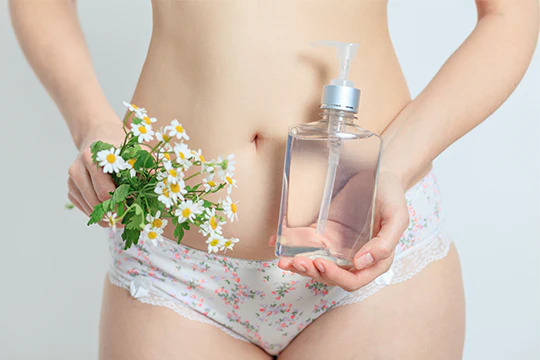
Period panties are increasingly becoming popular. Once considered a niche product, they have now entered the mainstream—easily found on drugstore shelves and frequently discussed in wellness conversations. However, with growing popularity comes confusion. Many people still misunderstand how they work, how effective they are compared to traditional products, and whether they are the right choice for them. Here’s a clearer, more accurate understanding.
According to Dr Priya Darshni, Obstetrician & Gynaecologist at Plush, “Period panties are at most a simple pair of underwear that adds absorbent layers to design the underwear to hold the flow of urine. Some have the capacity to take in the equivalent of two to three standard pads and provide up to twelve hours of protection, depending on their construction and brand. They are mostly similar to regular underwear, the distinctive feature of which makes them so attractive.”
Types of period panties: Disposable vs reusable
The first fact that needs to be known is that period panties is not a single category. These can be in two rather different formats: disposable and reusable and the difference matters.
Disposable period panties
Disposable period panties are designed for single use. You wear them like regular undies & you dispose of them once done. They tend to offer full coverage, give up to 10-12 hours of protection & absorb as much as 2-3 pads which makes them particularly useful for heavier flow days, overnight use, or situations like travel or long workdays where washing and drying just isn’t feasible. For women who want the comfort and coverage of period underwear without the maintenance, they can be a practical option.
Reusable period panties
Another suggestion is reusable period panties. They are made to be washed and reused, usually months or years. In the long run, they become much more cost-effective than disposable products. They are also much less wasteful and this is important to an increasing number of individuals. However, reusable period underwear has to be washed and properly dried after every use. Poor cleaning or wet storage exposes a person to chances of either being irritated or infected. They are neither the best under circumstances when you are not going to have easy access to washing facilities.
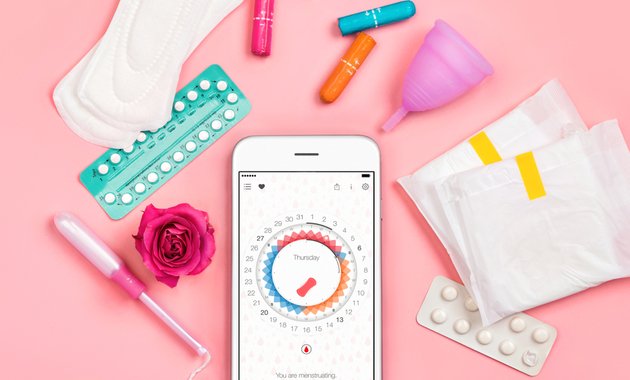
How do period panties compare with pads, tampons, and menstrual cups?
Pads are the most commonly used menstrual products in the world and rightly so, they are convenient, simple to apply, they need no insertion and the majority of the world are well acquainted with them. Its downside is that they have to be replaced frequently, and when in warm or humid weather, they can irritate the skin unless they are taken off each time there is a contact. Tampons have the next set of advantages: these are discrete, allow moving and physical activity, and do not form under the clothes. They are not meant to everybody.
Which menstrual product is best for you?
Well, that is not exactly the right question. The more pertinent query is: what do you like to do and what is most effective to you at this point, with your body, with your routine, and what you are at ease with. A young adult on her first few periods will most likely desire something easy, such as a pad, or a disposable period panty to wear overnight. A high-absorbency tampon or disposable period underwear may be favoured by someone who has a hectic place of work and whose flow is heavy.
A person who is concerned about sustainability would find a menstrual cup to be suitable in most occasions with reusable period panties being one option when there are no enough setups. What to remember either way you go: be material conscious. Seek products that are not secretive about their contents, and anything that is strongly scented or contains strong chemicals.










Leave a comment