

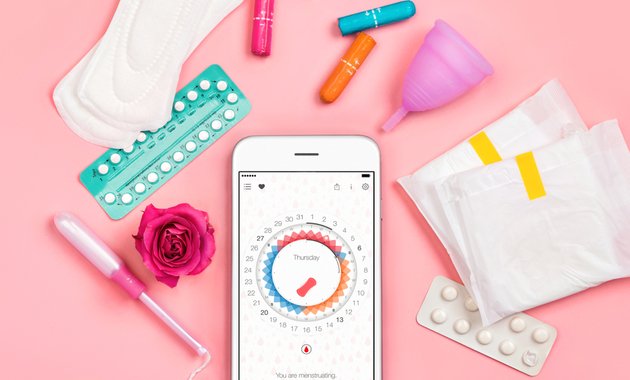
Period tracking apps have quietly become one of the most downloaded health apps globally. With a few taps a day, women can track their periods, symptoms, ovulation, and reminders. For many women, these apps are empowering. But with increasing awareness about digital privacy, there is a growing question: Are these apps purely helpful tools—or do they carry potential data risks? We consulted gynaecologists and women’s health experts to learn what parents, teens, and women should know.
Key health benefits of tracking your cycle
According to Dr Astha Dayal, Director, Obstetrics and Gynaecology, CK Birla Hospital, Gurugram, “Tracking your menstrual cycle is one of the simplest ways to understand your overall health.” Regular tracking enables:
- Irregular cycles identification
- Hormonal imbalance early detection
- PMS symptom tracking
- Fertility planning assistance
- Abnormal bleeding patterns identification
For women trying to conceive or experiencing irregular periods, cycle data is an essential piece of information during doctor visits. Rather than relying on memory, doctors can analyse data over several months. Even three months of cycle data can help us analyse ovulation patterns and possible underlying causes. In this way, period tracking apps can be considered organised health journals.
What menstrual data can reveal?
Menstrual data is very private. It can disclose:
- Pregnancy status
- Intimate activity patterns
- Fertility windows
- Miscarriage or abortion history
- Hormonal conditions
Doctors stress that not all apps are the same. Some apps store data safely and prevent third-party access. Other apps may collect data for analytics or advertising.
Tips to choose a safe period tracking app
Before using any app, it is advised to:
- Read the privacy policy
- Verify if the data is encrypted
- Verify if there is an option to delete data permanently
- Select apps that enable anonymous usage
Most importantly, doctors explain that tracking app usage is not dangerous but it depends on how it is done.
How to track periods naturally (doctor-recommended methods)?
For women worried about digital privacy or simply preferring a more hands-on approach, natural tracking methods are medically sound and valid when done consistently.
1. The calendar method
Just note the first day of your period each month in a diary or wall calendar. After 3-6 months, patterns will likely develop. A normal cycle will typically vary between 21 and 35 days. This method is recommended for teenagers just starting to menstruate, as it promotes early body awareness.
2. Basal body temperature (BBT)
Ovulation results in a subtle increase in resting body temperature. By taking your temperature each morning before getting out of bed and tracking it by hand, you can determine ovulation patterns over time.
3. Cervical mucus observation
Hormonal changes result in variations in cervical mucus throughout the menstrual cycle:
- Dry and sticky: low fertility
- Creamy: pre-ovulation
- Clear and elastic: high fertility
4. Symptom journaling
Recording changes in mood, pain, breast tenderness, bloating, sleep, and energy can help correlate hormonal changes with physical and emotional sensations.
Disclaimer: Dear readers, this article provides general information and advice only. It is not at all professional medical advice. Therefore, always consult your doctor or a healthcare specialist for more information.













Leave a comment