

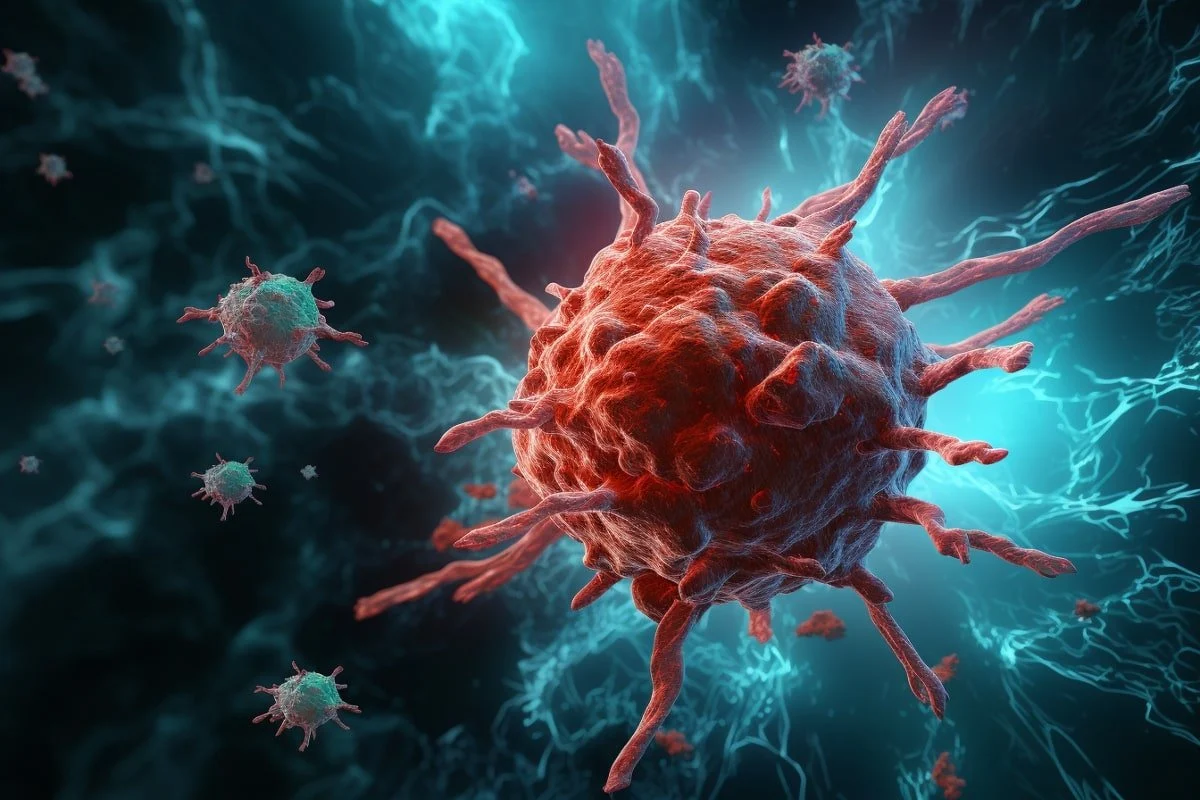
Pancreatic cancer is usually regarded as a type of cancer that is extremely difficult to diagnose and treat because it progresses without any symptoms and only manifests itself at a late stage. Raising awareness and the importance of prevention is now taking centre stage, particularly the role of regular habits in making people vulnerable of this deadly disease, or in keeping them less vulnerable. Although a person cannot change their genes or age, there is growing evidence that lifestyle choices have a major effect on the health of the pancreas.
Smoking and Tobacco Use Increase Pancreatic Cancer Risk
Tobacco use is one of the most powerful lifestyle-related risk factors of pancreatic cancer. Smoking causes carcinogenic elements to be introduced into the blood which directly harms the pancreatic cells with time. Smokers who are older than 6 years have been known to be significantly at risk when compared to non- smokers and passive smokers can also lead to chronic inflammation of the pancreas. Smoking cessation has been demonstrated to eliminate this risk over a period of time, which supports the significance of tobacco control as a preventive factor.
Unhealthy Diet and Its Impact on Pancreatic Health
What one eats is also very important. Unhealthy eating habits such as the frequent intake of highly processed food, red and processed meat, soddy drinks, and saturated fat rich foods may lead to obesity and insulin resistance. These disturbances in metabolism subject the pancreas to long-term stress and cause a high probability of cellular mutations. Conversely, foods that contain a high proportion of fruits, vegetables, whole grains, and lean proteins are beneficial because they allow one to control blood sugar levels and inflammation and provide some protection.
Obesity and Sedentary Lifestyle as Major Risk Factors
There is also the risk of obesity and sedentary lifestyle which makes the risk even greater. Excessive fat on the body especially on the abdomen would be linked with chronic low-grade inflammation and hormonal disproportions which negatively influences the pancreatic functions. Exercise leads to elevated levels of insulin resistance that compel the pancreas to toil excessively in the long-run. Sufficient physical exercise can not only help maintain healthy weight, but it also enhances the wellness of the metabolic system, reducing the risk of cancer.
Alcohol Consumption and Chronic Pancreatitis Connection
Another habit that should be mentioned is alcohol consumption. Extensive and intense exposure to alcohol may cause chronic pancreatitis, which is a disease that is characterized by continuous inflammation of the pancreas. One of the established risk factors of pancreatic cancer is chronic pancreatitis. Although it is not accompanied by pancreatitis, overuse of alcohol even in the absence of pancreatitis may be a factor that indirectly increases risk through an increase in obesity and liver dysfunction, which influence overall metabolic balance.
Diabetes and Daily Habits Linked to Pancreatic Cancer
The risk of pancreatic cancer is also related to chronic diseases associated with daily habits like type 2 diabetes. The prolonged diabetes affects the insulin production and glucose metabolism, which puts a constant burden on pancreatic cells. Unregulated eating habits, uncontrolled stress and poor sleeping patterns may negatively affect the management of blood sugar, which underscores the interdependence of lifestyle choices in determining cancer risk.
Environmental and Occupational Exposure Risks
It can also be due to environmental exposures and occupational habits. With repeated exposure to some chemicals, pesticides or industrial toxins and no proper protection, there is a high risk of damage to the pancreas overtime. Resistance and observation of safety measures are crucial preventive measures, especially to people in high risk professions.
Preventive Lifestyle Changes to Lower Pancreatic Cancer Risk
Risk reduction can be achieved by avoiding tobacco, drinking alcohol in moderation, eating well, exercising, managing body weight, and managing chronic diseases, such as diabetes. Although the prevention of all possible cases is not always possible, a healthier daily habit is a potent instrument in pancreatic health protection and the enhancement of the long-term results. The intervention at the initial stages and lifestyle changes are still considered to play a crucial role in combating one of the deadliest types of cancer.
Disclaimer: The information provided in this article by Healthwire Media is for general informational and educational purposes only. It is not intended to replace professional medical advice, diagnosis, or treatment. While we strive to provide accurate and up-to-date information based on trusted sources such as WHO, Mayo Clinic, and government health guidelines, medical information can change over time. Always consult a qualified doctor or healthcare professional before making any health-related decisions, especially if you have any existing medical conditions or concerns. Do not ignore or delay seeking medical advice based on information you have read on this website. For more details, please read our full Medical Disclaimer page.











Leave a comment