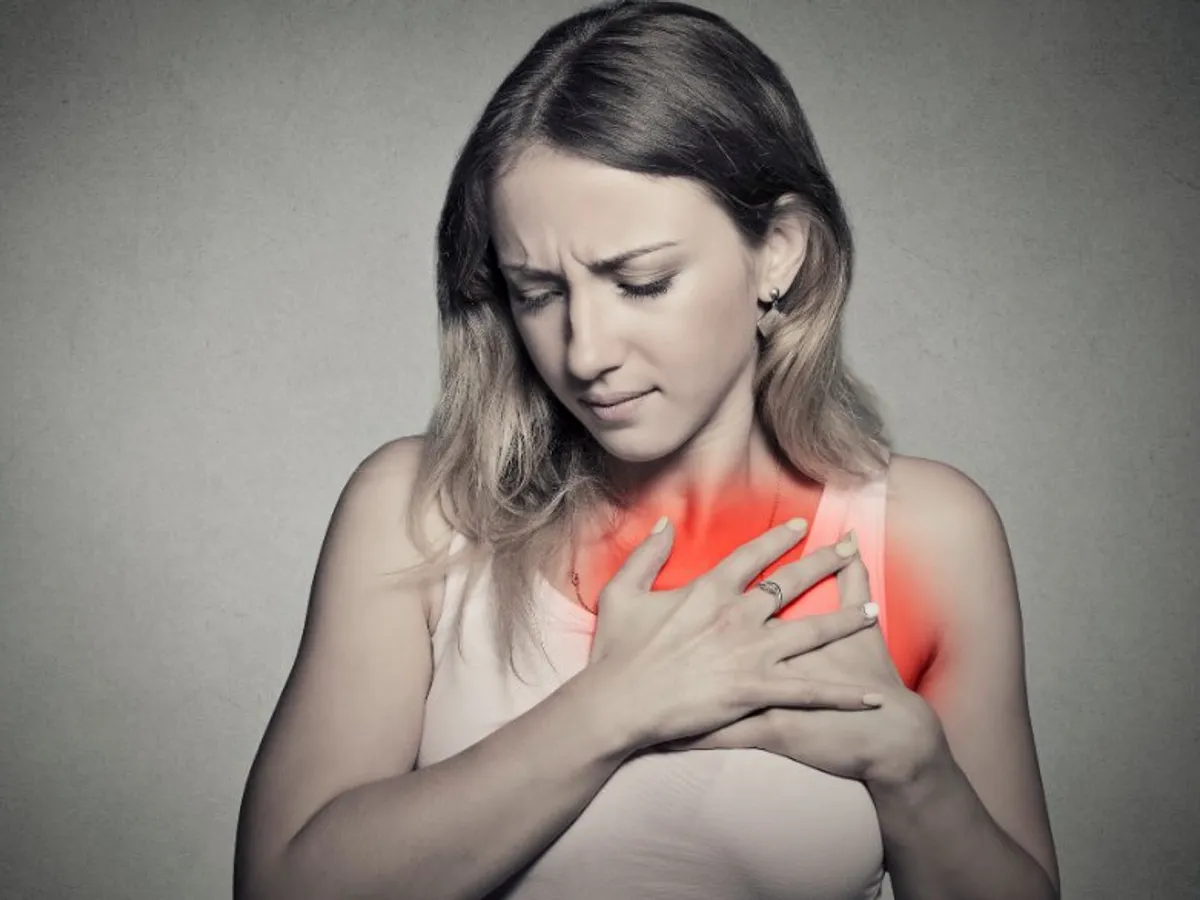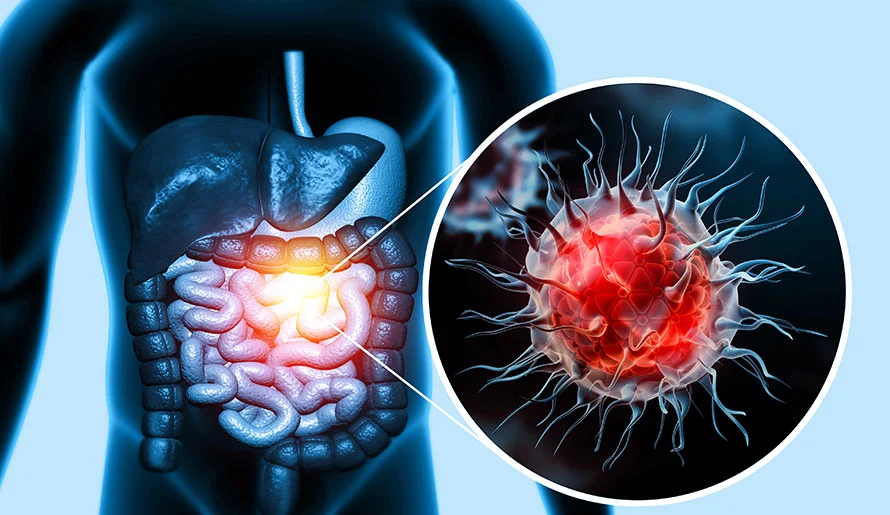
The tragic death of a young software professional in Noida has sparked widespread concern after the post-mortem report confirmed asphyxia followed by cardiac arrest as the cause of death. The case has drawn attention to how oxygen deprivation can rapidly turn fatal, even in individuals with no known history of serious illness. Medical experts say the findings highlight a dangerous chain reaction in the body that many people underestimate.
According to the autopsy report, the victim suffered from asphyxia, a condition in which the body is deprived of adequate oxygen. This lack of oxygen ultimately triggered cardiac arrest, a sudden loss of heart function. Doctors explain that when oxygen levels fall critically low, vital organs, especially the brain and heart, are unable to function normally, setting off a cascade of life-threatening events.
What Is Asphyxia and Why Is It So Dangerous?
Asphyxia occurs when oxygen supply to the body is reduced or completely blocked. This can happen due to several reasons, including airway obstruction, suffocation, compression of the neck or chest, inhalation of toxic gases, or severe respiratory distress. Within minutes, oxygen-starved cells begin to fail.
Medical experts note that the brain starts suffering irreversible damage within four to six minutes of oxygen deprivation. As oxygen levels drop, the heart is forced to work harder, but without sufficient oxygen, the heart muscle itself becomes weak. This imbalance often leads to abnormal heart rhythms, eventually resulting in cardiac arrest.
How Asphyxia Can Trigger Cardiac Arrest
Doctors involved in explaining the case state that cardiac arrest in such scenarios is usually secondary, meaning it is caused by another critical event — in this case, asphyxia. When oxygen levels fall sharply, the body enters a state of extreme stress. Blood becomes more acidic, electrolytes shift, and the heart’s electrical system becomes unstable.
This instability can cause the heart to suddenly stop pumping effectively. Unlike a heart attack, which is caused by blocked blood vessels, cardiac arrest due to asphyxia is a result of oxygen starvation. Even a previously healthy person can collapse if the oxygen supply is cut off for too long.
Warning Signs Often Missed
Doctors say one of the most alarming aspects of asphyxia is how quickly it can escalate. Early symptoms may include shortness of breath, panic, confusion, dizziness, and bluish discoloration of lips or fingertips. If the oxygen deprivation continues, the person may lose consciousness within minutes.
In many cases, bystanders may not recognize the seriousness of the situation until it is too late. Immediate medical intervention, including restoring the airway and providing oxygen or CPR, is crucial for survival.
Why Young, Healthy Individuals Are Not Immune
The Noida techie’s death has raised questions about why a seemingly healthy individual could succumb so suddenly. Doctors emphasize that asphyxia does not discriminate by age or fitness level. Prolonged oxygen deprivation overwhelms even a strong heart. Stress, fatigue, alcohol consumption, or underlying but undiagnosed conditions can further reduce the body’s ability to cope during such emergencies.
Experts stress that timely action can be the difference between life and death. If asphyxia is suspected, emergency services must be contacted immediately. Basic life-saving measures such as clearing the airway, loosening tight clothing around the neck or chest, and starting CPR if the person collapses can significantly improve survival chances until medical help arrives.
A Wake-Up Call on Oxygen Deprivation Risks
The Noida techie death case serves as a stark reminder that oxygen deprivation is a medical emergency that can quickly lead to cardiac arrest. Doctors urge greater public awareness about the signs of asphyxia and the importance of rapid intervention. Understanding how the body reacts to oxygen loss may help prevent similar tragedies in the future and encourage quicker responses during critical moments.