

New Delhi, 14 May 2025: The deadly Nipah virus has made a frightening return to Kerala, with a 42-year-old woman from the Malappuram district testing positive for the virus and now in a critical condition. The patient, a resident of Valanchery, was admitted to a private hospital in Perinthalmanna on May 2 after showing signs of encephalitis, including fever and confusion. Subsequent tests confirmed the presence of the Nipah virus, a highly contagious and dangerous pathogen that has caused previous outbreaks in the region.
What is the Nipah Virus?
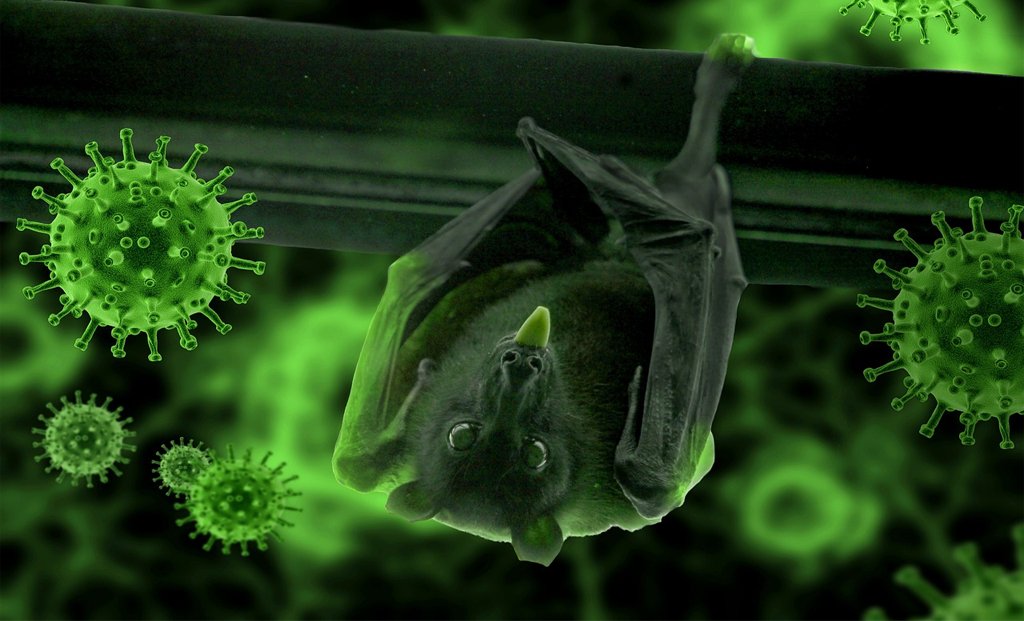
The Nipah virus, first identified in Malaysia in 1998, is a zoonotic virus, meaning it can be transmitted from animals to humans. Pteropus bats, commonly known as fruit bats, are the primary reservoir for the virus. However, human-to-human transmission is also possible, particularly through respiratory droplets or direct contact with bodily fluids.
Nipah infections can lead to a range of symptoms, from mild respiratory issues to severe encephalitis (brain inflammation) and even death. The virus poses significant risks, especially in older individuals and those with weakened immune systems. Kerala has witnessed multiple outbreaks of the virus over the years, and each time, authorities have taken swift action to control its spread.
Woman Falls Into Coma After Testing Nipah Positive
In the most recent case, the woman from Malappuram was admitted to the hospital after presenting with symptoms of encephalitis, including confusion, fever, and drowsiness. Initial tests pointed to the possibility of a viral infection, and the samples were sent to the National Institute of Virology (NIV) in Pune. On May 8, the institute confirmed the woman had contracted the Nipah virus.
Currently, the woman is in a coma and is being supported by a ventilator. Despite receiving treatment, including monoclonal antibody therapy, her condition remains critical. Health experts have noted that while there has been no significant improvement, the situation is still being closely monitored. The medical team is following the state’s approved treatment protocol, which includes antiviral medications and supportive care to manage the infection.
How Does Nipah Virus Spread?
The transmission of the Nipah virus remains an area of concern. While the primary source of the infection is thought to be fruit bats, the virus can spread to humans through direct contact with infected animals or their saliva, urine, or feces. In some cases, people can also contract the virus by consuming contaminated food, particularly fruits that have been bitten by infected bats.
Human-to-human transmission can occur through close contact with infected individuals, such as through bodily fluids or respiratory droplets. The fact that the virus can spread so easily in hospitals and among close contacts has made containment efforts challenging.
Symptoms to Watch For
The early symptoms of a Nipah virus infection can be very similar to those of other viral infections, which makes it difficult to diagnose at first. The common symptoms include:
- Fever: Often the first noticeable symptom, a sudden spike in body temperature.
- Headache: Severe headache, sometimes accompanied by dizziness.
- Muscle Pain: Aches and pains throughout the body.
- Respiratory Symptoms: Difficulty breathing, sore throat, and coughing.
- Drowsiness: Extreme fatigue and lethargy.
- Disorientation: Confusion and difficulty understanding time or place.
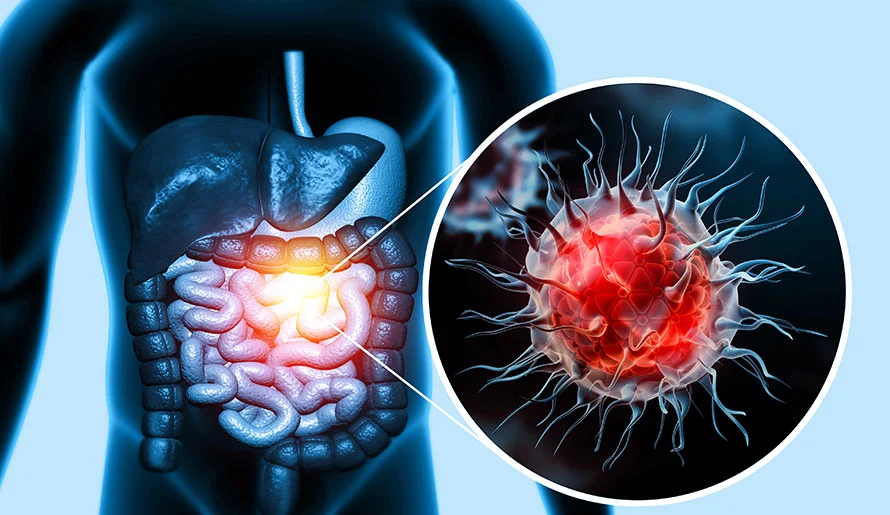
- Other Symptoms: Nausea, vomiting, and diarrhea are also common.
It’s important to note that the incubation period for the virus is typically between 4 and 14 days, meaning symptoms may not appear immediately after exposure. If any of these symptoms appear, particularly after a known exposure to an infected person or animal, it’s crucial to seek medical attention immediately.
What Measures Are Being Taken?
Authorities in Kerala have already initiated measures to contain the spread of the Nipah virus. Contact tracing is being conducted to identify individuals who may have come into contact with the infected woman, and they are being monitored for symptoms. Hospitals are on high alert, and health workers are taking precautions to prevent further infections.
In addition, public awareness campaigns are being launched to educate people about the virus, its symptoms, and preventive measures. It’s also essential to avoid consuming fruits that may have been contaminated by bats and to stay away from sick animals.
The Nipah virus poses a significant threat, especially in areas where outbreaks have occurred before. While there are no immediate signs that the virus will spread on a large scale, it is critical that the public remains vigilant and follows health guidelines. Early detection and quick medical intervention are key to managing the disease, and authorities are working tirelessly to ensure the safety of the public. For now, it remains a waiting game to see how the patient’s condition evolves, with hopes that she will recover from this deadly infection.















Leave a comment