Health authorities in Kolkata and West Bengal are on high alert after two patients tested positive for the Nipah virus and were admitted to intensive care units on ventilator support. Both patients are healthcare workers and remain in critical condition, with close monitoring and contact tracing underway to prevent further spread.
The Union Health Ministry and state officials have mobilised teams to the region, launched surveillance efforts, and are actively monitoring individuals who may have been exposed. A National Joint Outbreak Response Team has also been deployed to assist with containment and case management.
What Is Nipah Virus?
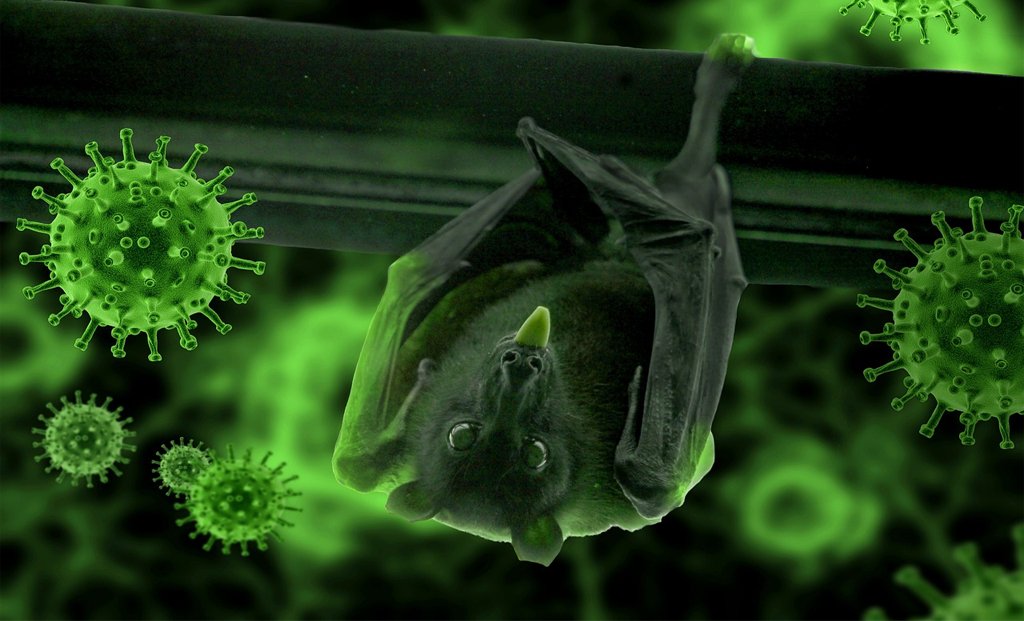
The Nipah virus (NiV) is a highly dangerous virus first identified in Malaysia in 1999. It is a zoonotic virus, meaning it normally circulates in animals — particularly fruit bats of the Pteropus species — and can spill over into humans.
Why Nipah Virus Is Serious
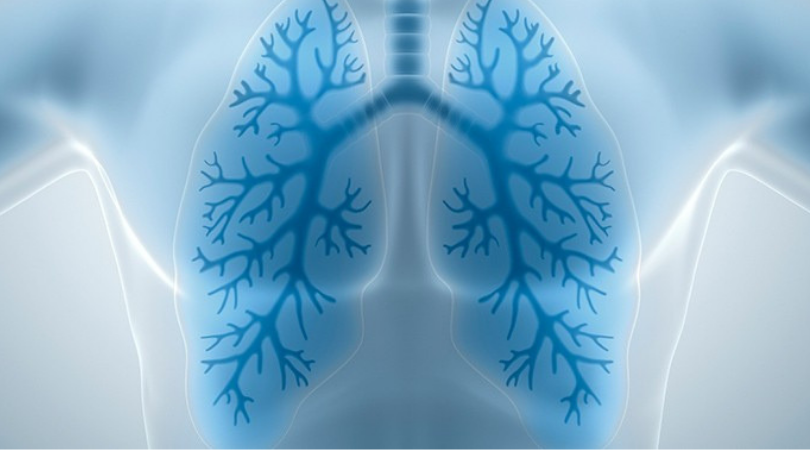
Nipah virus infections range from mild illness to severe respiratory disease and fatal brain infection (encephalitis). The virus is known for its high fatality rate, with past outbreaks showing between 40 % and 75 % deaths among confirmed cases.
Symptoms to Watch For
Initial symptoms of Nipah virus infection may resemble common viral illnesses, making early detection challenging. Common early signs include:Fever and headacheMuscle painSore throat, cough, and breathing difficultiesVomiting and nausea.
Because the early phase resembles a less serious infection, many cases may go undetected until neurological or respiratory symptoms worsen significantly.
However, its ability to cause severe disease, the lack of specific treatment, and high fatality rate make this detection in Kolkata a serious public health concern. Authorities are urging calm, adherence to health advisories, and prompt reporting of symptoms — especially for those with recent exposure to infected individuals or wildlife — to contain potential spread.