Home Latest News Covid Vaccine Not Linked To Low Fertility, Miscarriages And Childbirth Rates, New Study Proves
Latest News

Covid Vaccine Not Linked To Low Fertility, Miscarriages And Childbirth Rates, New Study Proves

Share
COVID-19 Vaccine
COVID Vaccine
Share

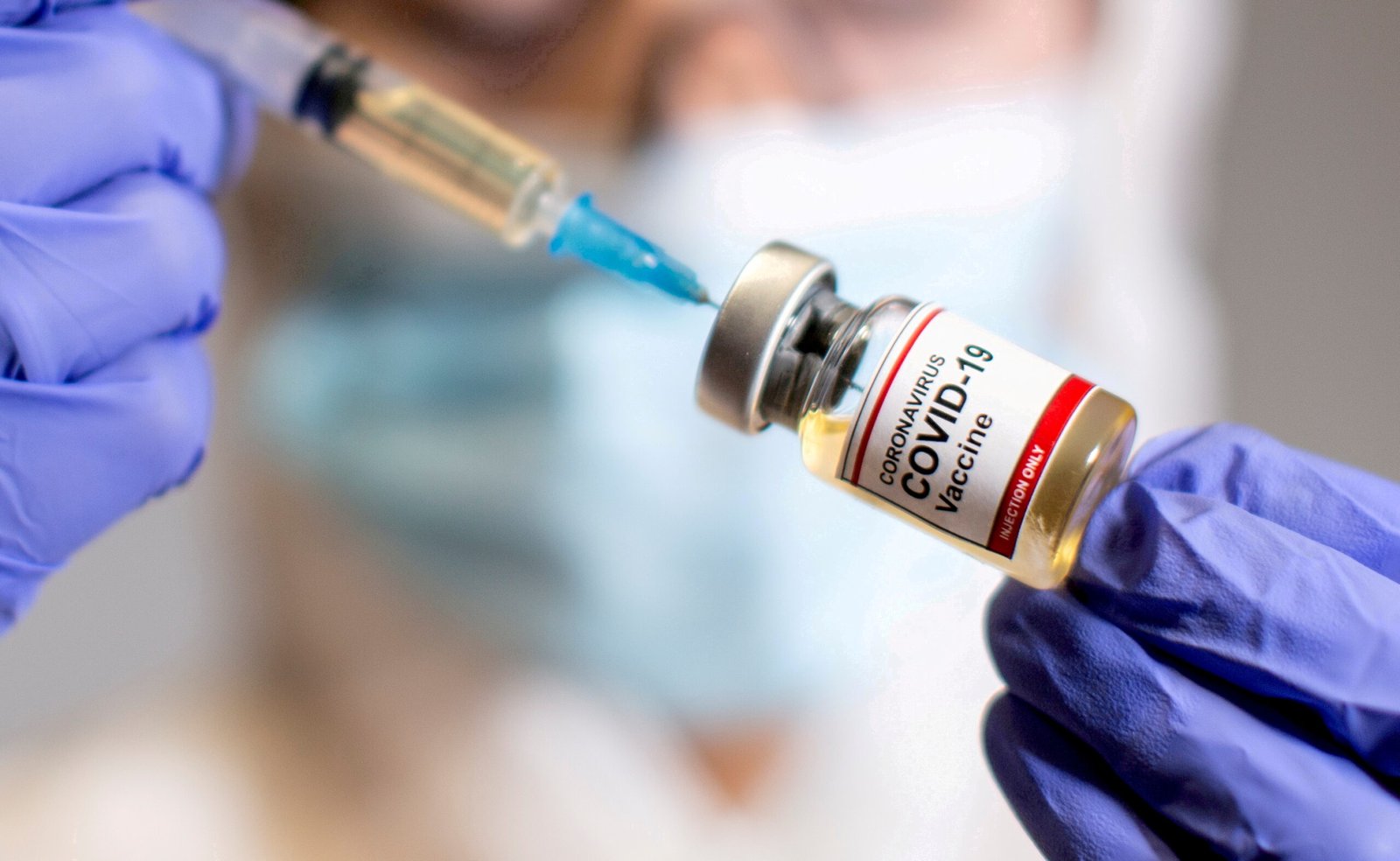
COVID Vaccines and Reproductive Health: For years after the pandemic, concerns and rumours linking COVID-19 vaccines to infertility, miscarriages and declining birth rates have continued to circulate, especially on social media. Now, a large new scientific study offers clear reassurance: COVID-19 vaccination has no negative impact on fertility, pregnancy loss, or childbirth rates.

Researchers analysing long-term population data found no meaningful difference in reproductive outcomes between vaccinated and unvaccinated individuals, reinforcing what doctors and public-health experts have consistently said since the vaccines were rolled out.

What the Study Found

The study closely examined women of reproductive age over several years, tracking vaccination status alongside fertility outcomes, miscarriages and live births. The findings were clear and consistent:

  • Fertility rates remained unchanged after COVID-19 vaccination
  • Miscarriage rates were similar among vaccinated and unvaccinated women
  • Childbirth rates showed no decline linked to vaccination

Even after adjusting for age, health conditions and timing of vaccination, researchers found no evidence that COVID vaccines interfere with the body’s reproductive system.

Why Did the Fertility Myth Spread?

Health experts say fears around fertility gained traction during the pandemic due to misinformation, anxiety and confusion during an unprecedented global health crisis. Temporary changes in menstrual cycles reported by some women after vaccination were often misinterpreted and amplified online.

“Short-term cycle changes can happen with stress, illness, or immune responses — they are not signs of infertility,” doctors explain. Importantly, these changes were found to be temporary and clinically insignificant.

At the same time, falling birth rates seen in many countries were driven by economic uncertainty, delayed marriages, and changing family planning decisions, not vaccines.

Vaccines vs COVID Infection: The Real Risk

Medical experts stress that while vaccines do not harm reproductive health, COVID-19 infection itself can pose serious risks, particularly during pregnancy. Infection has been linked to higher chances of severe illness, pregnancy complications and preterm birth.

“Vaccination protects not just the individual but also the developing baby by reducing the risk of severe disease,” obstetricians note.

What This Means for People Planning a Family

The new findings provide reassurance for couples planning pregnancy, those undergoing fertility treatment, and expectant mothers:

  • COVID-19 vaccines do not reduce the ability to conceive
  • Vaccination does not increase pregnancy loss
  • Getting vaccinated is safe before or during pregnancy

Doctors continue to recommend vaccination as part of routine care for people planning a pregnancy or already pregnant.

The latest evidence puts persistent fears to rest: COVID-19 vaccines do not affect fertility, miscarriage rates or childbirth outcomes. As experts emphasise, decisions about health should be guided by credible science rather than misinformation.

In a world still recovering from the pandemic, this study reinforces an important message — vaccines protect lives without compromising reproductive health, allowing families to plan their futures with confidence.

Share
Written by
Satata Karmakar

Satata Karmakar is a health journalist and Editor of HealthWireMedia.com, with over 12 years of experience in journalism, investigative reporting, newsroom editing and healthcare news. As Editor of HealthWire Media, Satata focuses on delivering accurate, evidence-based and accessible health journalism that helps readers make sense of complex medical and healthcare developments. She specialises in translating medical research, clinical findings, public-health updates and healthcare regulations into clear, engaging stories for healthcare professionals and the wider public. Her areas of coverage include public health, medical research, disease prevention, healthcare policy, health technology, medical education and regulatory developments. She places particular emphasis on verifying health claims through peer-reviewed research, official government notifications, expert interviews and credible institutional sources, including the National Medical Commission (NMC). She is committed to responsible health reporting that prioritises accuracy, context and transparency—especially when covering emerging research, medical breakthroughs, health risks and treatment-related information. Her editorial approach aims to make reliable health information understandable without oversimplifying science or overstating medical claims. Through her work, she seeks to strengthen public understanding of healthcare issues and contribute to informed conversations around health, medicine and policy. Outside the newsroom, Satata enjoys reading and painting, pursuits that continue to inspire her curiosity, creativity and storytelling.

Don't Miss

Always Tired? It Could Be Anaemia!
Diet & NutritionHealth NewsHealth TipsLifestyleLifestyle & WellnessWellness

Anaemia in India: Why Iron Deficiency Remains a Concern and 7 Signs You Should Not Ignore

Feeling tired all the time, experiencing frequent dizziness or getting breathless after climbing a few stairs? While these symptoms are often dismissed as...

N95 Mask
Health TipsLatest NewsLifestyle & WellnessWellness

Does Wearing an N95 Mask Protect You From PM2.5 Pollution? Doctors Explain How To Choose And Wear It Correctly

As air pollution continues to affect several Indian cities during winter, wearing a mask has become an important precaution for people stepping outdoors....

Delhi Air Pollution
Lifestyle & Wellness

Can Air Pollution Cause Pneumonia? Doctors Explain How Poor AQI Affects Your Lungs This Winter

Winter brings a familiar set of respiratory health concerns, from persistent coughing and throat irritation to breathing difficulties and chest infections. However, as...

Diet & NutritionHealth TipsLatest NewsLifestyleLifestyle & WellnessWellness

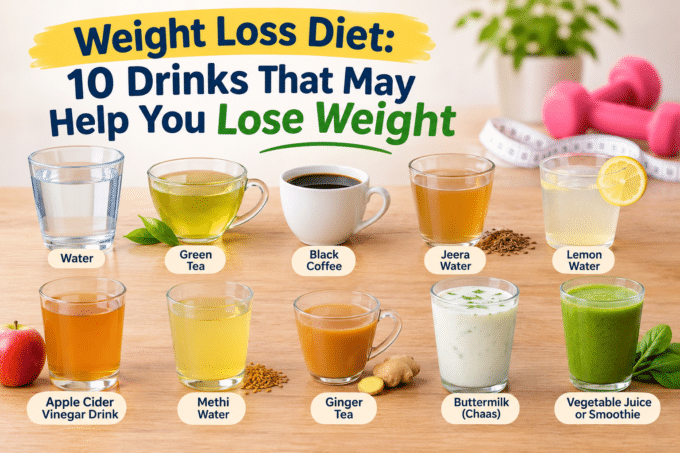
Weight Loss Diet: 10 Drinks That May Help You Lose Weight

Losing weight is not just about eating healthy and exercising. What you drink during the day also matters. Some drinks can help you...

Heart Attack
Lifestyle & Wellness

Diabetes and Heart Disease: Why High Blood Sugar Can Increase Your Risk of a Heart Attack

Diabetes is often considered a condition that primarily affects blood sugar levels. However, its impact extends far beyond glucose regulation. Persistently high blood...

Section title

Related Articles
Latest NewsWHO

WHO Releases First-Ever Guidelines For Type 1 Diabetes In Adults: 5 Key Recommendations Explained

The World Health Organization (WHO) has issued its first-ever guidelines for the...

Health NewsLatest NewsLifestyle

7 Simple Ways to Protect Yourself from Air Pollution

Air pollution has become a major health concern today. Dust from construction...