

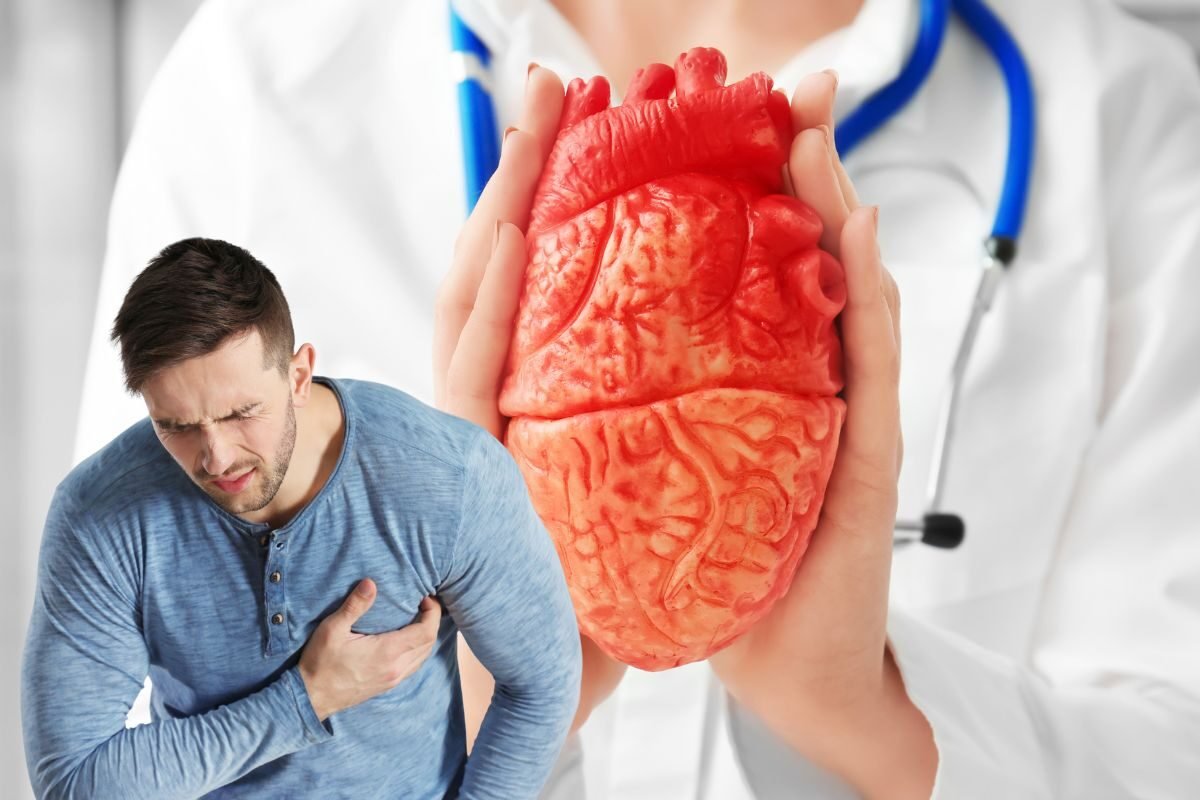
New Delhi, 03 September 2025: Heart disease has long been seen as a health concern for older adults, but recent medical data paints a troubling picture—nighttime heart attacks are increasingly being reported among young Indians in their 20s, 30s, and early 40s. Hospitals across metropolitan cities like Delhi, Mumbai, and Bengaluru are witnessing a surge in emergency cardiac cases during late-night hours. Doctors warn that changing lifestyles, high stress, sedentary habits, poor sleep, and rising obesity rates are all contributing to this silent crisis.
What makes nighttime heart attacks even more dangerous is that they often go unnoticed or misdiagnosed as acidity, indigestion, or fatigue, leading to delayed treatment. Experts emphasize that recognizing early warning signs and seeking immediate medical help can save lives.
In this article, we explain why nighttime heart attacks are rising in Indian youths, the key warning signs, and preventive measures every young adult must take.
Why Nighttime Heart Attacks Are Rising in Young Indians
1. Stressful Lifestyles and Late-Night Work Culture
India’s young workforce, especially in IT, finance, and startup sectors, is often engaged in high-pressure jobs with irregular work hours. Stress hormones like cortisol and adrenaline put extra strain on the heart, especially at night when the body is supposed to rest.
2. Poor Sleep and Circadian Rhythm Disruption
Medical studies show that most heart attacks occur early in the morning or late at night due to changes in blood pressure and heart rhythm. Youths sleeping late, binge-watching shows, or working night shifts disrupt their circadian rhythm, increasing cardiac vulnerability.
3. Unhealthy Diet and Junk Food Culture
Late-night snacking on fried, oily, and processed foods can cause cholesterol buildup, high triglycerides, and arterial stiffness. This raises the risk of blockages and sudden cardiac arrests.
4. Alcohol, Smoking, and Recreational Substances
Many young Indians indulge in smoking, alcohol, and even recreational drugs, especially during late-night parties. These habits constrict blood vessels, increase blood pressure, and can trigger heart attacks.
5. Rising Obesity, Diabetes, and Hypertension
Urban youths are increasingly being diagnosed with lifestyle diseases at an early age. These conditions silently damage the arteries and heart muscles, making nighttime cardiac events more likely.
7 Warning Signs Your Heart Is At Risk
Doctors stress that the human body often gives subtle signals before a heart attack, but many young people ignore them. Here are seven critical warning signs you must not dismiss:
1. Chest Pain or Pressure at Night
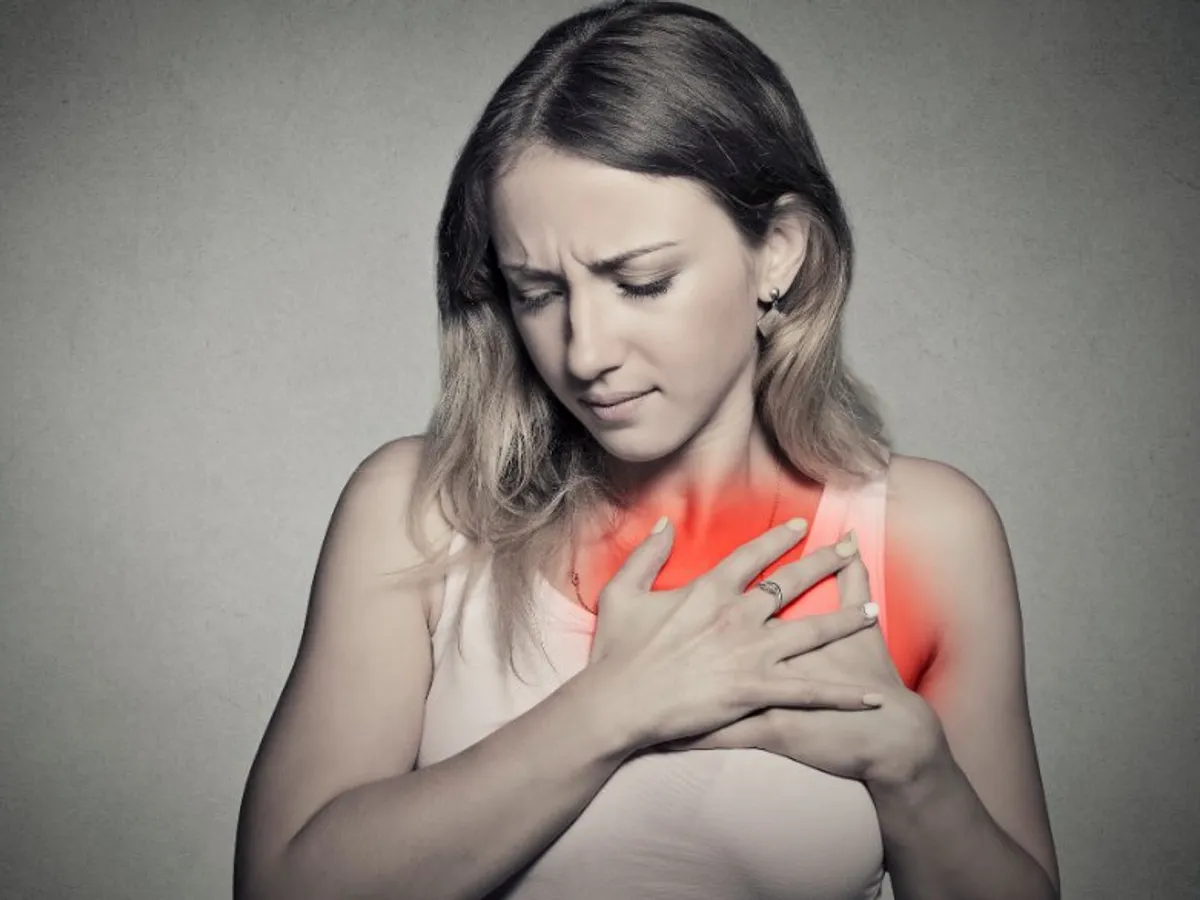
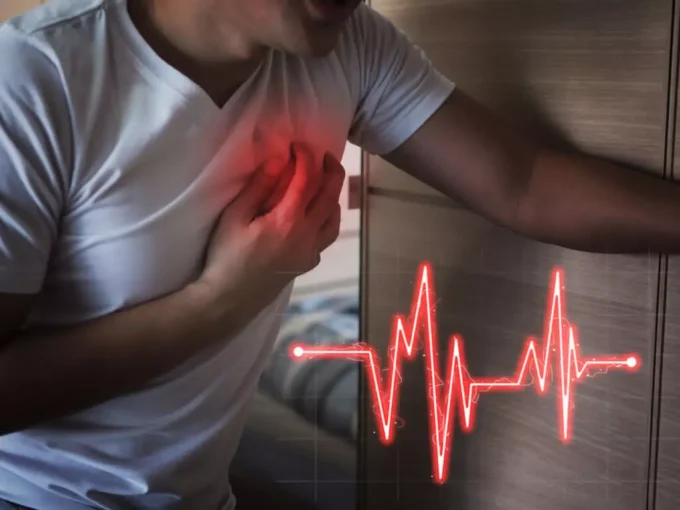
A dull ache, tightness, or pressure in the chest—especially while lying down—can be an early indicator of reduced blood flow to the heart. Don’t mistake it for acidity.
2. Shortness of Breath
If you wake up suddenly at night gasping for breath or feel breathless after climbing stairs, it may indicate that the heart isn’t pumping efficiently.
3. Unusual Night Sweating
Excessive sweating without physical exertion, especially cold sweats at night, is a red flag for cardiac distress.
4. Unexplained Fatigue
Constant tiredness, even after a full night’s sleep, can signal poor circulation or an underlying heart condition.
5. Palpitations or Irregular Heartbeat
Feeling your heart racing, skipping beats, or pounding in your chest or neck at night could point to arrhythmia, a precursor to heart attacks.
6. Pain in Arms, Back, Neck, or Jaw
Heart attack symptoms are not always limited to the chest. Radiating pain in the left arm, back, jaw, or neck—especially at night—should not be ignored.
7. Dizziness or Lightheadedness
Frequent nighttime dizziness or feeling faint may suggest a sudden drop in blood pressure linked to heart issues.
Why Nighttime Heart Attacks Are More Dangerous
Nighttime heart attacks often go unnoticed because:
- Symptoms are mistaken for acidity, anxiety, or fatigue.
- Patients may delay seeking help until morning, losing critical treatment time.
- Emergency response at night is often slower.
- Family members may not recognize the signs immediately.
This delay can lead to irreversible heart damage or sudden cardiac death (SCD) in young patients.
Preventive Measures for Youths
While genetics may play a role, lifestyle changes can drastically reduce risks. Cardiologists recommend:
1. Prioritize Heart-Friendly Diet
- Eat more fruits, vegetables, whole grains, and lean proteins.
- Avoid late-night oily or spicy meals.
- Cut down on sugar, salt, and processed food.
2. Maintain Regular Exercise
At least 30 minutes of brisk walking, yoga, or gym workout daily helps strengthen the heart and improve circulation.
3. Get Quality Sleep
- Sleep 7–8 hours daily.
- Avoid screens before bedtime.
- Maintain a regular sleep schedule.
4. Manage Stress
Practice meditation, deep breathing, or yoga. Reduce overwork and give time for relaxation.
5. Quit Smoking and Limit Alcohol
Both smoking and heavy drinking severely damage the heart. Even social smoking or weekend binge drinking increases risks.
6. Regular Health Check-Ups
Young adults must not ignore yearly health screenings for blood pressure, cholesterol, blood sugar, and ECG—especially if there’s a family history of heart disease.
7. Stay Hydrated and Active During Late Hours
If working late, take short breaks, stretch, drink water, and avoid energy drinks or excessive caffeine.
Expert View: What Cardiologists Say
Doctors in India highlight that the average age of first heart attack has dropped to just 30–40 years, compared to 50–60 years a decade ago. Cardiologists from AIIMS and Apollo Hospitals stress that prevention and early intervention are the only ways to counter this trend. They also warn against ignoring “silent heart attacks” that present mild or atypical symptoms, especially at night.
The rise in nighttime heart attacks among young Indians is a wake-up call. Modern lifestyles—marked by stress, poor sleep, junk food, and addictions—are silently eroding heart health. By recognizing early warning signs, making lifestyle adjustments, and seeking timely medical help, youths can protect themselves from this growing epidemic.
Remember: Your heart is not as young as you think. Take care of it today to live longer and healthier tomorrow.











Leave a comment