

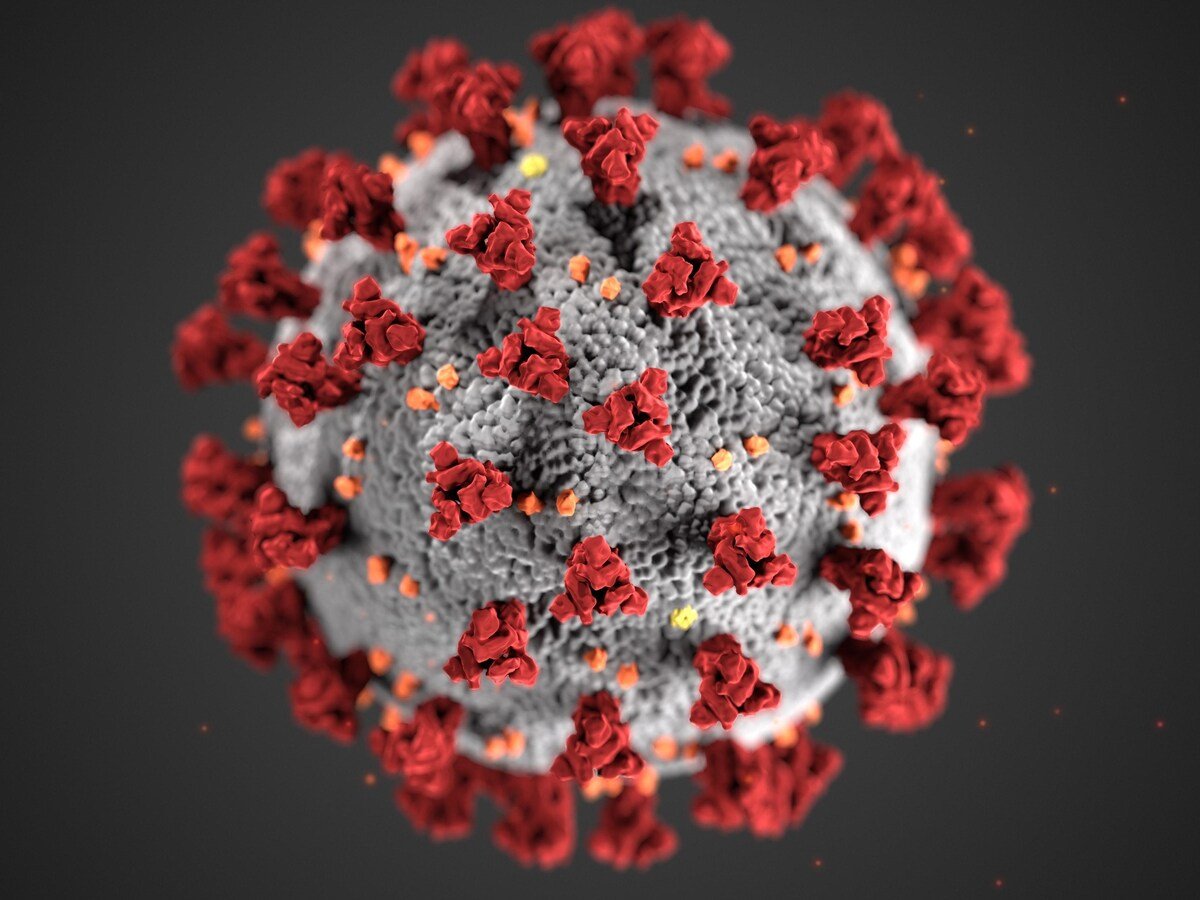
As the world continues to adapt to life after the peak of the COVID-19 pandemic, new variants of the virus still emerge from time to time. In 2026, health experts are closely monitoring a new subvariant—BA.3.2—which has started drawing attention due to its potential for increased transmissibility and evolving symptom patterns. While there is no need to panic, staying informed is essential to protect yourself and your family.
Here’s everything you need to know about the BA.3.2 COVID variant, including symptoms, how it spreads, risk factors, and preventive measures.
What Is BA.3.2?
BA.3.2 is believed to be a sub-lineage of the Omicron family, which has been responsible for several waves of infection globally. Like other Omicron subvariants, BA.3.2 carries mutations in the spike protein—the part of the virus that allows it to enter human cells.
These mutations may help the virus:
- Spread more easily from person to person
- Partially evade immunity from past infections or vaccinations
- Cause mild to moderate illness in most individuals
However, experts emphasize that research is still ongoing, and data is evolving.
Is BA.3.2 More Contagious?
Early observations suggest that BA.3.2 may have higher transmissibility compared to some earlier strains. This means it can spread faster, especially in crowded indoor environments.
Factors contributing to its spread include:
- Reduced mask usage in public places
- Increased travel and gatherings
- Waning immunity over time
That said, transmissibility does not always mean severity. Many cases reported so far appear to be mild, particularly in vaccinated individuals.
Common Symptoms of BA.3.2
The symptoms of BA.3.2 are largely similar to other Omicron variants but may vary from person to person.
Most commonly reported symptoms include:
- Mild to moderate fever
- Sore throat
- Dry cough
- Fatigue and body aches
- Runny or blocked nose
- Headache
- Loss of taste or smell (less frequent than earlier variants)
- Gastrointestinal issues like nausea or diarrhea
- Unlike earlier COVID waves, severe lung involvement appears to be less common, but high-risk individuals should remain cautious.
Who Is at Higher Risk?
Although BA.3.2 may cause mild illness in many, certain groups remain vulnerable:
- Elderly individuals (above 60 years)
- People with chronic diseases like diabetes, heart disease, or lung conditions
- Immunocompromised individuals
- Pregnant women
- Unvaccinated individuals
For these groups, even a mild infection can escalate if not monitored properly.
Can Vaccines Protect Against BA.3.2?
Yes, vaccines continue to play a crucial role. While BA.3.2 may partially evade immunity, existing vaccines are still effective in:
- Preventing severe illness
- Reducing hospitalization risk
- Lowering chances of death
Booster doses are especially important as they enhance antibody response against newer variants.
How Is BA.3.2 Different from Previous Variants?
While BA.3.2 shares similarities with Omicron, a few distinctions are being studied:
- Faster spread: Higher transmission rate in communities
- Milder respiratory impact: Less severe lung damage in most cases
- Immune escape potential: Reinfections may occur
However, these observations are preliminary and may change as more data becomes available.
The standard COVID-19 testing methods still apply:
- RT-PCR test: Most reliable for detecting infection
- Rapid antigen test: Useful for quick screening
Genomic sequencing is required to specifically identify BA.3.2, which is typically done in specialized labs.
Can Vaccines Protect You?
There is no variant-specific treatment for BA.3.2. Management remains supportive:
- Rest and hydration
- Fever reducers like paracetamol (as prescribed)
- Monitoring oxygen levels in moderate to severe cases
Antiviral medications may be prescribed for high-risk patients under medical supervision.
How to Protect Yourself From BA.3.2?
Even in 2026, basic COVID precautions remain relevant:
1. Practice Good Hygiene: Wash your hands frequently and avoid touching your face.
2. Wear Masks in Crowded Areas: Especially in hospitals, public transport, or poorly ventilated spaces.
3. Stay Updated with Vaccinations: Get booster doses if eligible.
4. Maintain Healthy Lifestyle: A strong immune system can help your body fight infections better.
5. Avoid Close Contact When Sick: Isolate yourself if you show symptoms.
New COVID Variant Is Here: Should You Be Worried?
At this stage, there is no indication that BA.3.2 is causing widespread severe disease, but its ability to spread quickly makes it important to stay alert.
Public health experts stress awareness over panic. Early detection, vaccination, and responsible behavior can significantly reduce risks.
Seek immediate medical attention if you experience:
- Difficulty breathing
- Persistent chest pain
- Low oxygen levels
- High fever that doesn’t subside
- Confusion or extreme fatigue
These could indicate complications requiring urgent care.
The emergence of BA.3.2 is a reminder that COVID-19 is still evolving. While the situation is far more controlled than in previous years, complacency can lead to new waves of infection.
By staying informed, following preventive measures, and prioritizing your health, you can navigate this phase safely. Remember, the goal is not just to avoid infection but to minimize its impact on your overall well-being.
Disclaimer: The information provided in this article by Healthwire Media is for general informational and educational purposes only. It is not intended to replace professional medical advice, diagnosis, or treatment. While we strive to provide accurate and up-to-date information based on trusted sources such as WHO, Mayo Clinic, and government health guidelines, medical information can change over time. Always consult a qualified doctor or healthcare professional before making any health-related decisions, especially if you have any existing medical conditions or concerns. Do not ignore or delay seeking medical advice based on information you have read on this website. For more details, please read our full Medical Disclaimer page.















Leave a comment