

In the past few days, three suppliers in the UK have recalled 60 types of pre-packed sandwiches, wraps, and salads due to an E. coli outbreak. According to the BBC, more than 200 people in the UK have been infected by E. coli recently, and 42% of those affected were hospitalized.
What is E. coli Infection?
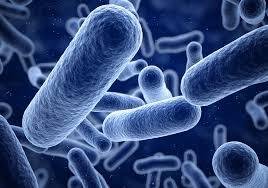
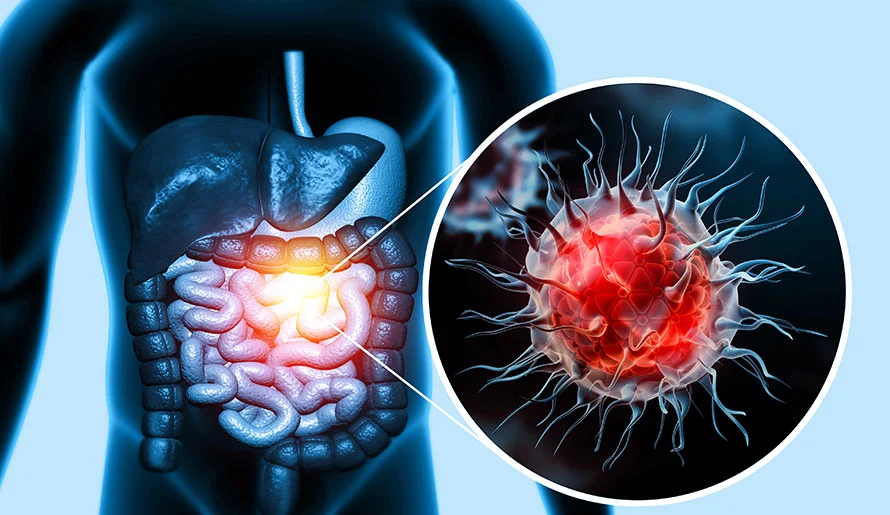
E. coli infection is caused by a type of bacteria known as Escherichia coli. These bacteria are usually found in the intestines of humans and animals. While most types of E. coli are harmless and help maintain a healthy gut, some strains can cause severe food poisoning.
How Do You Get E. coli?
E. coli infections usually happen when people eat or drink something contaminated with the bacteria. Common sources include undercooked ground beef, raw milk, unpasteurized juice, and fresh produce that has touched contaminated water.
The current outbreak in the UK is caused by a specific strain called E. coli STEC 0145. This strain produces a harmful toxin and can lead to serious foodborne illness. Symptoms include severe stomach cramps, diarrhea (often bloody), and vomiting. While less known than the more common E. coli 0157, STEC 0145 is just as dangerous. Severe cases can lead to hemolytic uremic syndrome (HUS), a condition that causes kidney failure.
Common Symptoms
Symptoms of E. coli infection usually start three to four days after eating contaminated food. They include:
– Severe stomach cramps
– Diarrhoea (often bloody)
– Vomiting
– Mild fever (sometimes)
Young children and the elderly are at higher risk for serious complications, including HUS.
Diagnosis and Treatment
Doctors can confirm an E. coli infection with a stool test. Treatment mainly involves supportive care, like drinking plenty of fluids and getting rest. Antibiotics are not recommended because they can increase the risk of complications.
How Can You Prevent E. Coli Infections?
To reduce the risk of E. coli infection, follow these safety tips:
– Cook meat thoroughly.
– Avoid unpasteurized milk and juice.
– Wash fruits and vegetables well.
– Practice good hand hygiene, especially before eating and after using the bathroom.
This E. coli outbreak in the UK shows how crucial it is to follow good food safety and hygiene practices. By being careful about what we eat and how we handle food, we can help prevent the spread of harmful bacteria.










Leave a comment