A worrying resurgence of measles is unfolding across the United States, with health authorities reporting hundreds of new infections in recent weeks. Once considered eliminated in the country, the highly contagious viral disease is now making a dangerous comeback, raising concerns among doctors and public health experts.
The surge is being linked to falling vaccination rates, increased international travel, and growing pockets of under-immunized communities.
Measles Cases Rise Sharply
According to recent reports from U.S. health agencies, multiple states have recorded clusters of measles cases, marking one of the largest outbreaks seen in years. Public health officials warn that the number of infections could continue rising if urgent preventive steps are not taken.
Measles spreads extremely easily — even more than COVID-19 or influenza — making outbreaks difficult to contain once the virus enters a community.
Experts stress that even a single infected person can transmit the virus to 9 out of 10 unvaccinated individuals nearby.
Why Measles Is So Dangerous
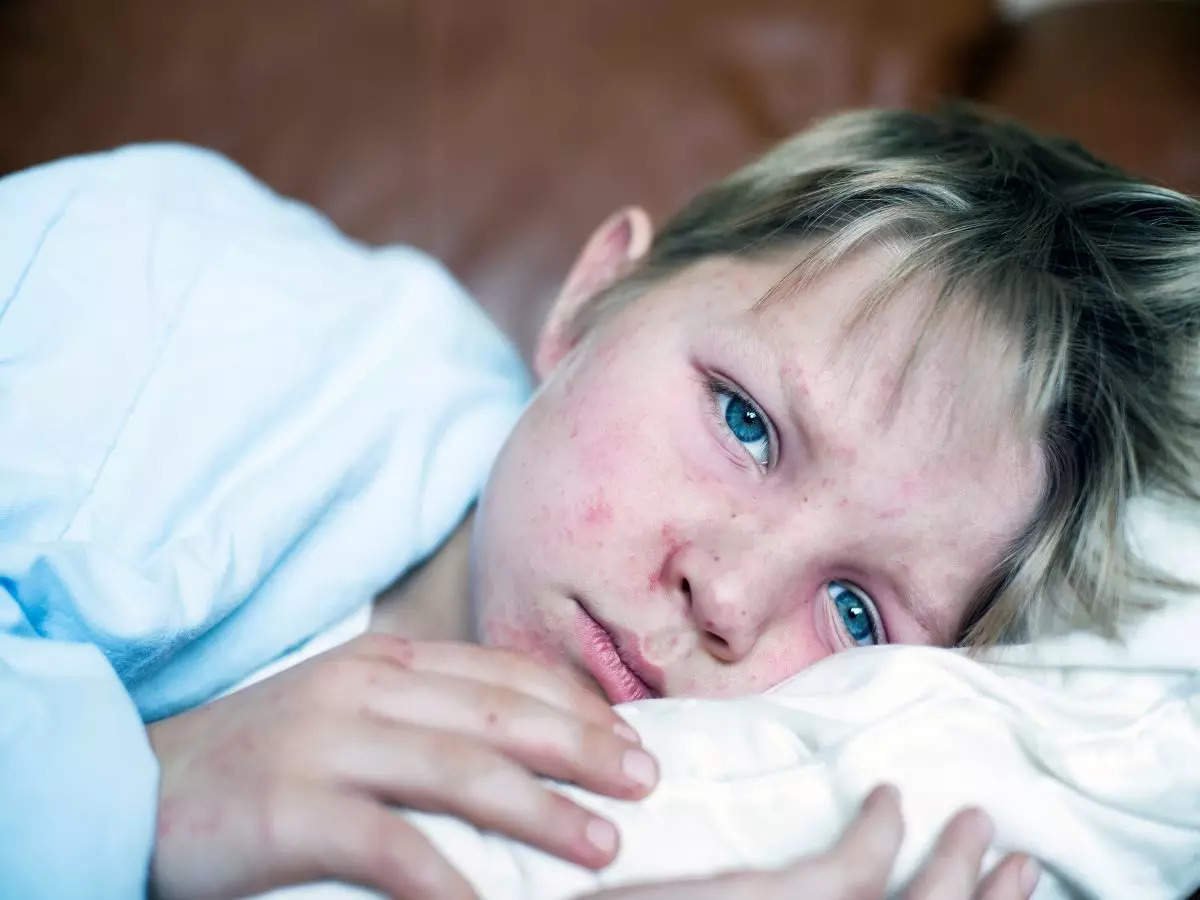
Measles is not just a mild childhood rash. It is a serious viral illness that can lead to severe complications, especially in young children, pregnant women, and people with weakened immune systems.
Common symptoms include:
- high fever
- cough and runny nose
- red, watery eyes
- white spots inside the mouth
- a widespread red rash
In severe cases, measles can cause pneumonia, brain swelling (encephalitis), blindness, and even death.
Health experts warn that hospitalizations often increase during outbreaks, especially among unvaccinated children.
Vaccine Decline Driving the Comeback
Measles was declared eliminated in the U.S. in 2000 due to widespread use of the MMR vaccine (measles, mumps, rubella). However, recent years have seen vaccination rates drop in several regions.
Public health researchers point to vaccine hesitancy, misinformation, and disruptions in routine immunization during the pandemic as major contributors.
Doctors emphasize that measles outbreaks occur when community immunity falls below the threshold needed to stop transmission.
To prevent outbreaks, about 95% of the population must be vaccinated — a level many areas are no longer meeting.
International Travel and Imported Cases
Another factor fueling the current surge is global travel. Measles remains common in several parts of the world, and infected travelers can unknowingly bring the virus into the U.S.
Because measles symptoms take 7–14 days to appear, infected individuals may spread the virus before realizing they are sick.
This makes early detection and rapid vaccination responses critical.
Public Health Response Underway
Health departments across affected states are ramping up efforts to control the outbreak. Measures include:
- contact tracing
- emergency vaccination drives
- isolation recommendations
- school and childcare monitoring
Hospitals have also been advised to remain alert for suspected measles cases, especially among unvaccinated patients with fever and rash.
Parents are being urged to check their children’s immunization status immediately.
The Importance of Vaccination
Medical experts agree that vaccination remains the most effective defense against measles.
The MMR vaccine is highly safe and effective:
- one dose provides about 93% protection
- two doses provide about 97% protection
Doctors warn that communities with low vaccination coverage are at the highest risk of explosive spread.
The growing measles outbreak across the U.S. is a stark reminder that vaccine-preventable diseases can return quickly when immunization rates decline.
Health officials urge families to stay informed, ensure vaccinations are up to date, and seek medical care promptly if symptoms appear.
Measles may be preventable — but without action, outbreaks can become deadly.