

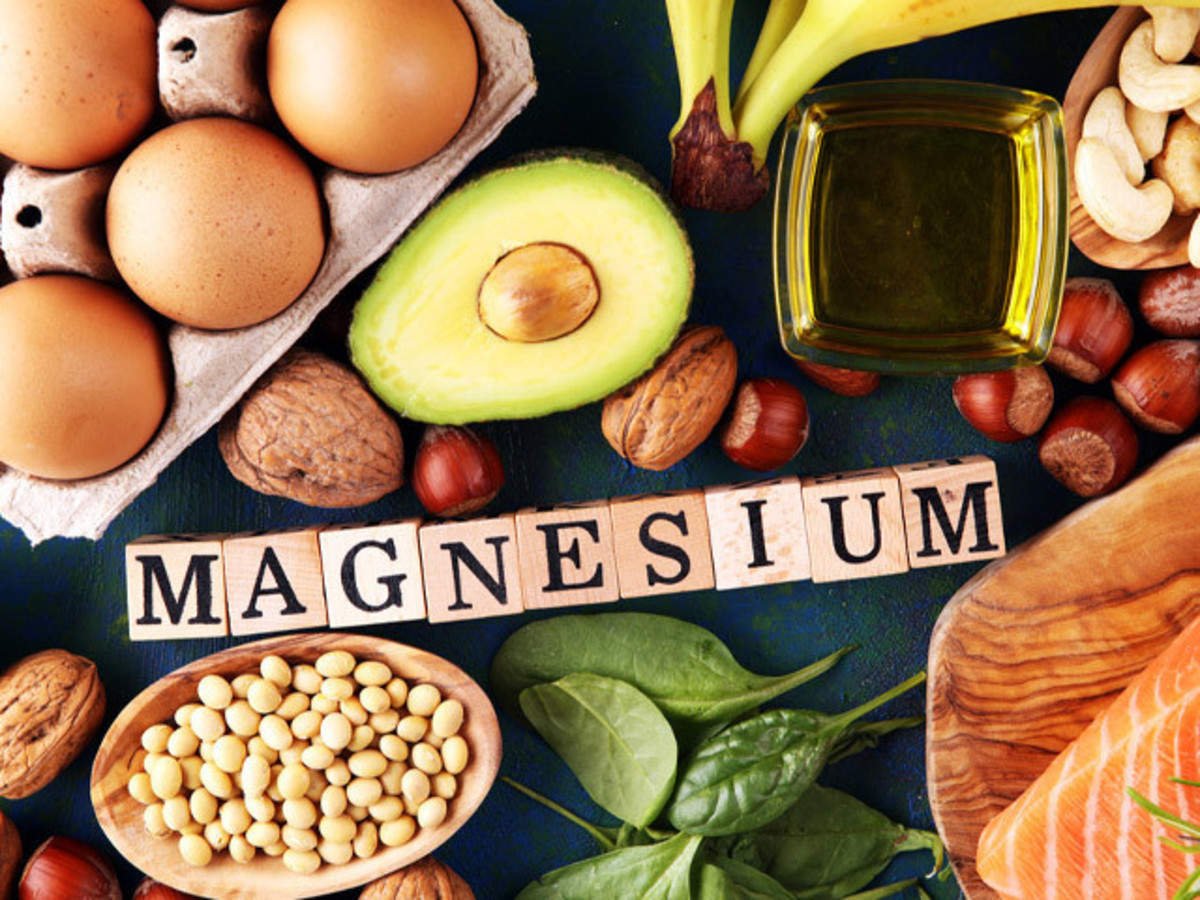
Having low magnesium levels is a common issue that can cause various health problems. To address this, it’s vital to include the right foods in your daily meals. By eating nutrient-rich foods, you can make sure your body gets enough magnesium to stay healthy.
Why Magnesium is Important
Magnesium is crucial for many body functions, including muscle movement, making energy, and keeping bones strong. It also helps with nerve function and controls blood sugar levels. So, keeping your magnesium level in check is essential for good health.
Dark Leafy Greens For Managing Magnesium Deficiency
Veggies like spinach, kale, and Swiss chard are packed with magnesium. Adding these greens to your meals can significantly boost your magnesium intake. Whether you put them in salads, smoothies, or stir-fries, these greens provide a tasty way to get more magnesium.
Nuts and Seeds
Nuts and seeds are also rich in magnesium. Almonds, cashews, pumpkin seeds, and sunflower seeds are great examples. Snacking on a handful of these throughout the day can give you a healthy dose of magnesium along with other nutrients.
Whole Grains
Whole grains such as brown rice, quinoa, and oats are not just nutritious but also contain magnesium. Choosing whole grains over refined ones can help you get more magnesium and other essential nutrients like fiber.
Avocados For Managing Magnesium Deficiency
Avocados are both tasty and a good source of magnesium. Adding them to your meals or using them as a spread can help increase your magnesium intake. They also offer healthy fats and fiber, making them a great addition to your diet.
Legumes For Managing Magnesium Deficiency
Legumes like black beans, chickpeas, and lentils are high in magnesium and other nutrients. Including legumes in your meals, whether in soups, salads, or main dishes, can significantly improve your magnesium intake.
Keeping a healthy magnesium level is key to staying well. By adding magnesium-rich foods mentioned-above into your daily diet, you can fight off magnesium deficiency. Always aim for a balanced diet with a variety of nutrient-dense foods to make sure your body functions well. Simple changes to your diet can lead to better health and more energy.
















Leave a comment