Home Health News Cardiology Lower Your Blood Pressure This Winter With These 7 Simple Tips
CardiologyHealth NewsHealth TipsWellness

Lower Your Blood Pressure This Winter With These 7 Simple Tips

Share
Blood Pressure
high blood pressure
Share

New Delhi, 24 December 2024: Winter can be a challenging season for individuals dealing with high blood pressure. Cold weather can constrict blood vessels, increasing resistance and putting additional strain on the heart. Coupled with reduced physical activity and a tendency for comfort eating, it’s no surprise that blood pressure often spikes during this time. However, incorporating a few simple lifestyle adjustments can help manage blood pressure effectively. Here are seven actionable tips to keep your blood pressure in check this winter.

1. Stay Physically Active Indoors

Cold weather often discourages outdoor exercise, but staying active is essential for maintaining healthy blood pressure. Engage in indoor workouts such as yoga, pilates, or resistance training. Even light activities like stretching or climbing stairs can help improve blood circulation and reduce stress on your heart.

2. Consume Heart-Healthy Foods

Winter often brings a craving for high-calorie comfort foods that can be high in sodium and unhealthy fats. Instead, focus on a diet rich in fruits, vegetables, whole grains, and lean protein. Foods like spinach, bananas, and nuts are excellent for managing blood pressure due to their potassium content.

3. Limit Salt Intake

Excessive sodium consumption is a leading cause of high blood pressure. During winter, soups and processed snacks are popular but often loaded with salt. Opt for homemade versions where you can control the salt content and season with herbs and spices instead.

4. Monitor Your Blood Pressure Regularly

Keeping track of your blood pressure during winter is crucial, especially if you’re prone to hypertension. Home blood pressure monitors make it easy to keep tabs on your levels and notice any worrying trends.

5. Stay Warm to Prevent Blood Vessel Constriction

Cold temperatures can cause your blood vessels to constrict, leading to elevated blood pressure. Dress warmly in layers, especially when venturing outdoors. Keep your home heated to a comfortable temperature, and use blankets to stay cozy.

6. Manage Stress and Practice Relaxation Techniques

Stress can lead to temporary spikes in blood pressure, and the hustle and bustle of winter holidays can add to this strain. Incorporate relaxation techniques like deep breathing, meditation, or mindfulness exercises to keep your stress levels in check.

7. Stay Hydrated and Limit Caffeine

It’s easy to forget to drink water in the winter, but staying hydrated is vital for blood pressure regulation. Dehydration can cause your blood vessels to constrict, leading to higher blood pressure. On the other hand, excessive caffeine intake can temporarily raise blood pressure levels.

Managing blood pressure during the winter months doesn’t have to be overwhelming. By staying active indoors, eating a balanced diet, monitoring your blood pressure, and adopting healthy habits like managing stress and staying hydrated, you can effectively reduce your risk of hypertension. Implement these simple tips, and make this winter a season of heart health and wellness.

Stay warm, stay active, and keep your heart happy!

Share
Written by
kirti Shah

Kirti is a Senior Health Editor at Healthwire Media, specializing in health journalism and digital health communication. With over four years of experience in the healthcare media landscape, she is dedicated to transforming complex clinical data into accessible, patient-friendly information. Kirti oversees the editorial lifecycle of every article, ensuring they meet rigorous fact-checking standards and align with the latest guidelines from primary sources like the WHO and Ministry of Health. In her role, Kirti works closely with a panel of board-certified physicians and medical reviewers to ensure that every piece of content published is not only easy to understand but also medically accurate and safe for the public. She is passionate about health literacy and helping readers navigate their wellness journeys with confidence.

Leave a comment

Leave a Reply

Your email address will not be published. Required fields are marked *

Don't Miss

delhi heatwave
Health Tips

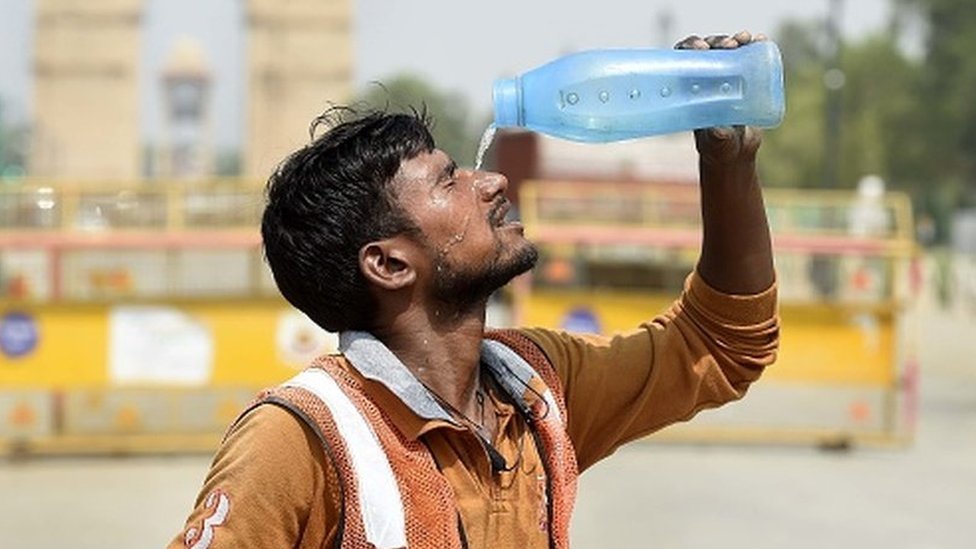
Heatwave health alert: Warning signs of heat exhaustion and how to stay safe in extreme heat

As temperatures continue to soar across many regions, heatwaves are becoming increasingly frequent and intense. Prolonged exposure to extreme heat can put serious...

Cardiology

Heart disease on the rise: Expert reveals the best foods to naturally protect your heart

Rising cases of heart disease are concerning, and it is happening due to poor lifestyle and unhealthy food choices that we make in...

Lifestyle & Wellness

Ramadan 2026 Fitness Guide: Best Time To Work Out While Fasting

Ramadan 2026 is a holy month that involves fasting, reflections and spiritual development. Yet, the question most of the people ask themselves is...

Cardiology

Magnesium deficiency and heart rhythm: Why this mineral matters

Magnesium deficiency is another causative factor of heart rhythm disturbances that is not paid enough attention. Although other body nutrients such potassium and...

Cancer
Oncology

BRCA gene mutations in women: Understanding the risk of breast and ovarian cancer

Cancer is often thought of as a disease that happens by chance. While many cancers do occur randomly, some are linked to inherited...

Section title

Related Articles
Cardiology

Heart checkups after 30: Early warning signs, risk factors and tests to prevent heart disease in young adults

With a demanding lifestyle to fullfil many people are abandoning their health...

Cardiology

Nighttime Heart Attack Risk Factors: 5 Most Common Causes of Cardiac Emergencies At Night

Heart attacks are often associated with daytime stress and activity, but many...

Rapid Heart Beat
Cardiology

Heart Failure vs Heart Attack: How to Identify Symptoms and Seek Timely Treatment

Heart failure remains one of the leading causes of morbidity, mortality, and...

Chronic Venous Insufficiency
Health News

What Is Chronic Venous Insufficiency? Symptoms, Risk Factors & Best Treatments Explained

Chronic Venous Insufficiency (CVI): CVI represents a permanent medical condition which prevents...