

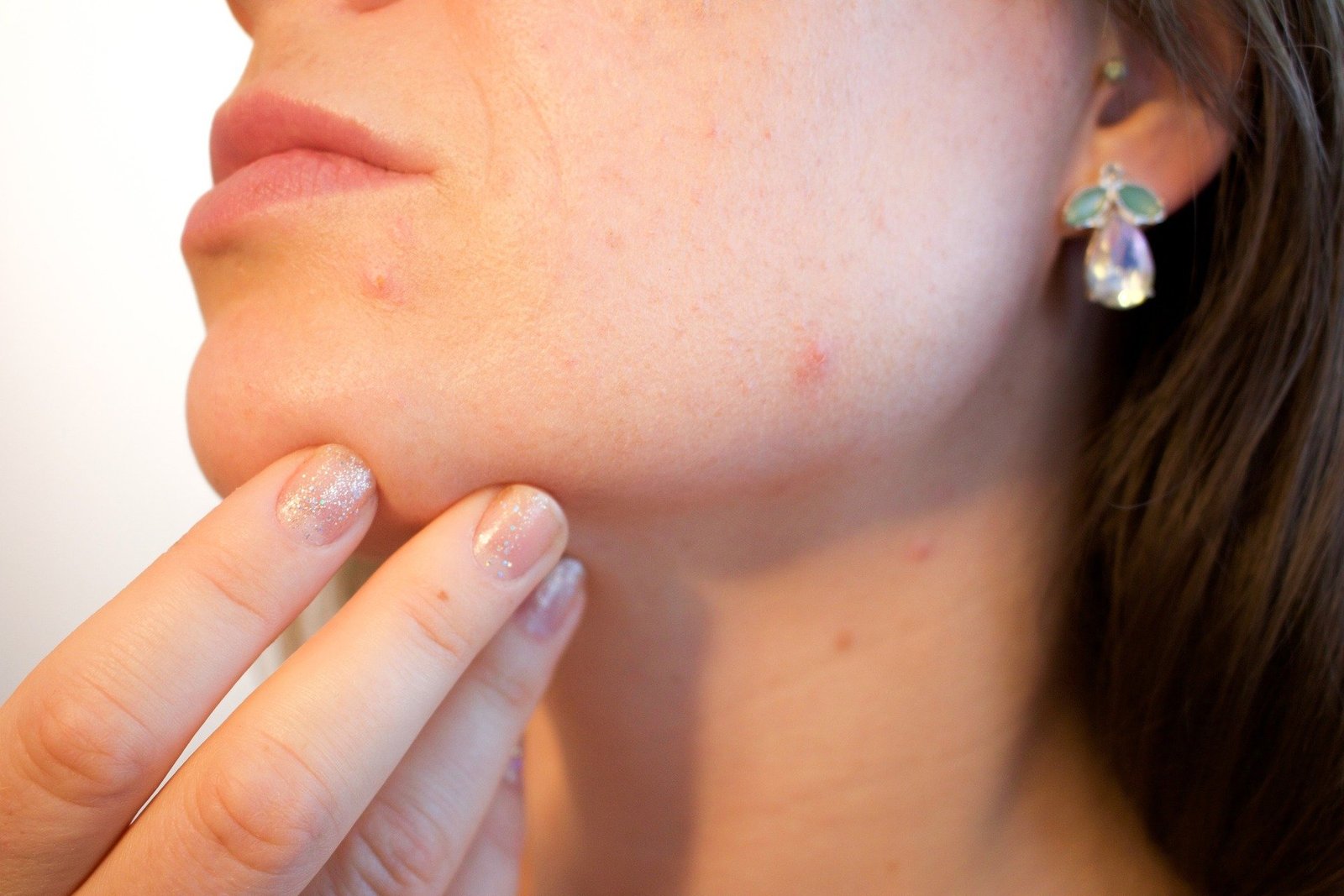
The hot, dry and pale skins, and all thanks to this cold weather, are here in winters. It gets worse as we enjoy all the comforts in winter like heaters and blowers, sunbathing and hot water.
An overall lack of external and internal food can lead to itchy, dry and parched skin and an unhappy appearance.
It is therefore high time to look after our skin and follow the simple habits to ensure that even in the chilly weather our skin shines.

Dr Ritika Dhingra, Founder of The luxe clinique, shares tips of skincare routine for acne-prone skin with the readers of the HealthWire.
How to take care of your skin in winter?
As the skin starts to get dry in winter, it’s important that you don’t forget to moisturise the skin at least twice a day. You must make sure to have a routine that includes a toner, a light moisturizer, good sunscreen, and a fruity balm for your lips. You can get tanned in winters too so don’t take sunscreen for granted.
Acne skincare tips for winter weather
You must wash your face at least twice a day just like you would in summers and apply a moisturizer that doesn’t build up or clog your pores. The gel-based moisturizer or the lotions works best in winter for acne-prone skin.
Since the weather is dry, the acne tends to dry up fast too but it still is sensitive to touch, so don’t pick on your acne or touch it frequently.
Use homemade face packs with honey and yoghurt/milk to keep your skin moisturized and plump.
Change your pillow covers every week as it tends to accumulate dead skin and bacteria over time which can cause clogged pores.
What is the best skincare routine for acne-prone skin?
A foam-based cleanser, salicylic face wash, alcohol-free toner and a makeup remover, gel-based moisturiser and sunscreen.
You must go for honey-based homemade masks that help kill the acne bacteria and keeps the moisture locked in the skin. Make sure to remove your makeup completely before you cleanse your skin with a face wash to avoid clogging of pores.
Don’t opt for heavy serums and even if you do, always test it, before you apply it on your face.
How to get rid of winter acne?
- Always wash your face before you go to bed.
- Change pillow covers every week.
- Don’t use creams on the face just because it is winter. Acne-prone skin needs a light moisturizer that doesn’t clog the pores.
- Your face wash must have salicylic acid in it as it helps kill the acne bacteria and reduces the inflammation on the skin.
- Always use sunscreen.
YOU MAY LIKE TO READ: This Is How You Can Prevent, Treat Dandruff This Winter
Are toners good for acne-prone skin?
Absolutely! Toners that are based on neem, cucumber, lemon helps reduce inflammation and reduces the redness of the skin. Toners help prep the skin and make the skin plump and hydrated. They also improve overall skin tone.
Why does acne get worse in winter?
It completely depends from person to person. You need to check what you do differently in winter when it comes to your skincare routine. Do you go easy on your skin thinking it is winter and your skin won’t get dirty? Or, do you consume dairy products a lot during the winter?
Acne can easily be hormonal or could be because of something that you eat. Many people are lactose intolerant. They can’t digest the dairy products and it starts triggering acne in their bodies. You may want to check in on it.
Tips to stop breakouts in winter
- Reduce the intake of sugar and dairy products
- Wash your face before going to bed.
- Don’t use heavy moisturizers
- Drink lots of hot lemon water
- Use face wash with Salicylic acid in it.
- Use prescribed ointments for acne spots.
- Change pillow covers
















Leave a comment