Home Latest News PepsiCo India Partners With CII To Raise Awareness On Healthy Eating And Active Lifestyle
Latest NewsSpotlight

PepsiCo India Partners With CII To Raise Awareness On Healthy Eating And Active Lifestyle

Share
Share

PepsiCo India through its brand Quakerand and Confederation of Indian Industry (CII) have come together to raise awareness around healthy eating and active lifestyle.

Under the collaboration, CII and PepsiCo India reached out to around 150 colleges and over 250 corporates across the country.

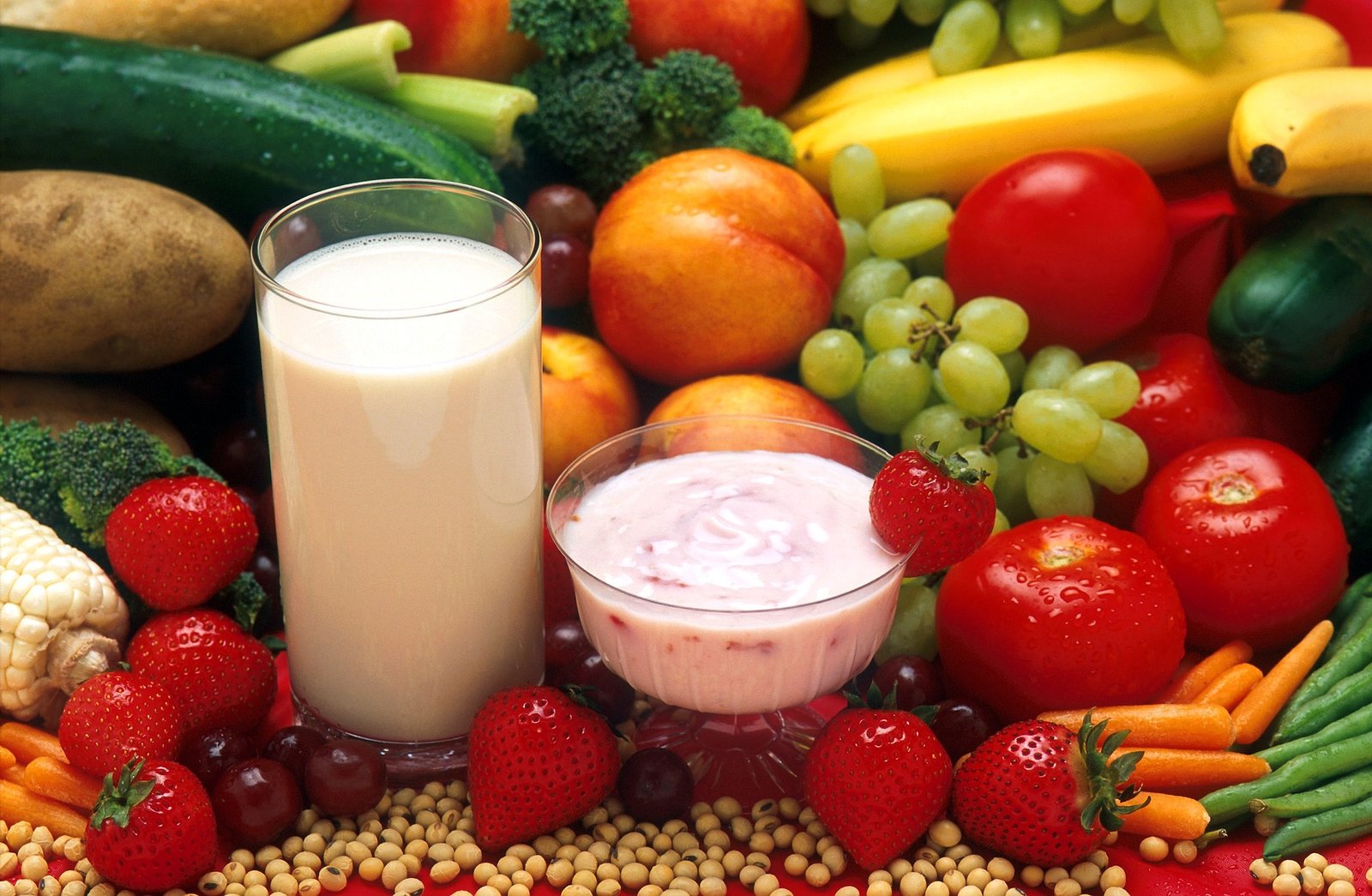
Informative webinar series was launched during the Nutrition Month to build awareness on the “Importance of wholesome & healthy breakfast” and its components like whole grains, protein, fruits, and vegetables.

The awareness drive that adopts FSSAI’ Eat Right Initiative saw India’s leading dieticians and nutritionists such as Ishi Khosla, Ritika Samaddar, Dr Jagmeet Madan address the audience.

As per a recent survey by PepsiCo India, awareness of consumption of a healthy breakfast comprising of whole grains in foods, amongst millennials across metros and nutrition students was extremely low. Only 2% of the surveyed millennials were aware of all the aspects of whole grain in their breakfast.

As a part of celebrations on World Food Day, a special panel discussion on ‘Nourishing Young India’s also organized. The discussion saw eminent panelists who busted myths around nourishment and spoke about the importance of incorporating whole grains, protein-rich food, locally available fresh fruits and vegetables to improve the nutritional quality of our daily diet.

Speaking about the program, MsVinita Bali, Chairperson, CII National Committee on Nutrition said, “Nutrition is complex and therefore needs to be simplified so that each of us can make well informed and responsible choices about the food we eat and the lifestyles we adopt. A day like today puts the spotlight on food and hopefully generates enough interest and curiosity among people to be well informed and make the right choices for their own well-being – both in terms of fresh as well as packaged food.”

Additionally, Dr. Jagmeet Madan, National President of The Indian Dietetic Association said that “India is a Young Nation. Making the ‘Right and Simple Nutrition Connect’ with the important stakeholders of this country is the prerequisite to a Healthy Nation.

The key messages in Nourishing Young India are – Build a Happy and Healthy relationship with Food; Make it Simple; Focus on Ingredients and Diversity on your plate. The endeavor of each nutritionist today should be to create a Tsunami of Scientific, Credible information in a palatable form for Young India.”

Talking about PepsiCo India’s commitment under the Eat Right initiative, Ahmed ElSheikh, President, PepsiCo India, said, “Nutrition is intrinsic to human development. It is a crucial driver of a healthier society, a more productive population, and a stronger economy. The National Nutrition Mission is an important initiative of The Government of India to create awareness around the right dietary habits.

In fact, the current challenging times have only heightened the desire of people to stay healthy. Our collaboration with CII through the Quaker brand is just one such step to drive nutritional awareness especially amongst the youth, given that they are the real agents of change towards a brighter and well-nourished India.”

In addition, PepsiCo India has also trained over 150 college students pursuing B.Sc&M.Sc courses as Eat Right Fellows. These students will be imparting nutrition education amongst 50,000 school children across the country by end of February 2021.

The World Food Day celebration is an effort to re-establish the broader concept of ‘nutrition’ and how it can be simplistically weaved into everyday living. The ecosystem needs to come together to raise awareness on the right information on nutrition and what information needs to go out to the youth for long-term behavioral/lifestyle change which will contribute to the overall development of India.


Share

Leave a comment

Leave a Reply

Your email address will not be published. Required fields are marked *

Don't Miss

Air Pollution
Health News

Delhi Chokes Under Toxic Air: Schools Shut, Offices Go Work From Home — How to Stay Safe

New Delhi, 23 December, 2025: Delhi once again finds itself gasping for breath as air pollution levels surge to hazardous levels, pushing authorities...

Colorectal cancer
Latest News

Cervical Cancer Awareness Month 2026: Screening Tips Every Woman Should Know

Cervical cancer is one of the most preventable forms of cancer, yet it remains a leading cause of cancer-related deaths among women globally....

Bird Flu
Latest News

Bird Flu Alert: How to Protect Yourself Without Panicking

Bird flu, also known as avian influenza, is a viral infection primarily affecting birds but capable of infecting humans in rare cases. The...

Latest News

Why Walking 30 Minutes a Day Can Add Years to Your Life

Walking for just 30 minutes a day is one of the simplest yet most effective ways to improve overall health, enhance longevity, and...

Latest News

5 Common Foods That Are Slowly Damaging Your Liver

The liver is one of the most vital organs in the body, responsible for detoxification, metabolizing nutrients, and regulating essential biochemical processes, and...

Section title

Related Articles
Cancer
Latest News

Immunotherapy vs Chemotherapy: Which Cancer Treatment Works Better?

Cancer treatment has evolved rapidly over the past few decades, offering patients...

The Nipah virus is considered one of the deadliest zoonotic infections globally, not because it spreads rapidly like influenza or COVID-19, but because of its extremely high fatality rate, rapid progression, and severe brain involvement. Medical experts warn that once symptoms escalate, the disease can turn fatal within days. According to available data, the case fatality rate of Nipah virus ranges between 50 and 75 per cent, placing it among the most lethal viral infections known to humans. In this explainer, Dr Dip Narayan Mukherjee, Consultant – Microbiology and Infectious Diseases, CK Birla Hospitals, CMRI, sheds light on why the virus is so dangerous and difficult to control. Why Is the Nipah Virus So Deadly? According to Dr Mukherjee, Nipah’s lethality lies in a combination of delayed symptom recognition, aggressive disease progression, and early involvement of the brain. “Nipah virus often begins with very non-specific symptoms, which makes early detection difficult. By the time it is clinically suspected, the virus may have already affected the brain,” he explains. Early Symptoms Often Go Unnoticed One of the biggest challenges in controlling Nipah virus is that its initial symptoms closely resemble common viral illnesses, leading to delays in diagnosis and isolation. Early symptoms include: Fever Headache Cough Muscle pain General weakness “These symptoms are easily mistaken for flu, viral fever, or respiratory infections,” says Dr Mukherjee. “This delay gives the virus time to progress silently.” Severe Brain Infection Drives High Mortality The most dangerous aspect of Nipah virus infection is its neurological involvement. The virus frequently causes encephalitis, or inflammation of the brain, which significantly increases the risk of death. Neurological symptoms may include: Seizures Confusion and altered consciousness Extreme drowsiness Coma “Once the central nervous system is involved, the disease becomes very difficult to manage,” Dr Mukherjee notes. “At this stage, treatment is largely supportive because there is no specific antiviral therapy available.” This lack of targeted treatment options makes early detection critical. Human-to-Human Transmission Raises Risk While Nipah virus is primarily transmitted from fruit bats, it can also spread from person to person, particularly in healthcare settings. Dr Mukherjee points out that: Caregivers and healthcare workers are at higher risk Exposure to high viral loads can worsen outcomes Inadequate infection control increases transmission risk “Strict adherence to infection control practices is essential. Even a small lapse can result in secondary infections,” he says. Zoonotic Nature Makes Exposure Hard to Predict Nipah virus is transmitted from fruit bats, either directly or through intermediate hosts such as pigs. This zoonotic pattern makes outbreaks unpredictable, especially in regions where humans, animals, and wildlife interact closely. Adding to the challenge: There is no approved vaccine Treatment options remain limited Isolation protocols must be strictly enforced What Can Reduce Nipah Fatalities? According to experts, early action remains the most effective defence against Nipah virus. Key measures include: Early isolation of suspected cases Strict use of personal protective equipment (PPE) Rapid escalation and referral to specialised centres Strong hospital infection control protocols “The earlier the virus is identified and contained, the better the chances of preventing severe disease and fatalities,” Dr Mukherjee emphasises. The Bottom Line Nipah virus continues to be a serious public health threat because of its high fatality rate, neurological complications, and lack of targeted treatment. Its ability to masquerade as a mild illness in the early stages makes vigilance crucial. Health experts stress that awareness, early suspicion, and strict infection control are currently the most powerful tools to reduce deaths linked to this deadly virus. As Dr Mukherjee concludes, “With Nipah, time is the most critical factor. Early recognition can save lives.”
Latest News

Why Nipah Virus Has a High Fatality Rate: Factors Affecting Disease Severity

The Nipah virus is widely regarded as one of the deadliest zoonotic...

Latest News

Stroke Risk in India: Symptoms and Urgent Action Steps

Stroke is a leading cause of death and disability in India, yet...

Latest News

Silent Struggle: Over 15 Million Indians Live with Epilepsy, Experts Stress Early Diagnosis and Care

Epilepsy, a neurological disorder that causes recurrent seizures, affects more than 15...

×