Home Latest News Grap 4 Restrictions In Delhi Due To ‘Severe’ Air Pollution; Check What’s Allowed And What’s Not
Latest News

Grap 4 Restrictions In Delhi Due To ‘Severe’ Air Pollution; Check What’s Allowed And What’s Not

Share
Air Pollution PM2.5
Air Pollution PM2.5
Share

New Delhi, 18 November 2024: The Commission for Air Quality Management (CAQM) in Delhi-NCR has imposed the Stage-lV (‘Severe+’ Air Quality) actions of the updated Graded Response Action Plan (GRAP) in addition to the Stage-I, II, and III actions that are already in effect to combat the rising air pollution crisis in the national capital.

The national capital’s air quality index (AQI) was 441 (Severe) around 4 p.m. on Sunday, according to CAQM. The AQI recorded 447, 452, and 457 at 5 p.m., 6 p.m., and 7 p.m. on Sunday, respectively, indicating that it has been steadily rising further and has now reached the Severe+ category.

Delhi’s air quality categorized into four stages according to the National Capital Region’s (NCR) Graded Response Action Plan (GRAP): Stage I is “poor” (AQI 201-300); Stage II is “very poor” (AQI 301-400); Stage III is “severe” (AQI 401-450); and Stage IV is “severe plus” (AQI >450).

GRAP Stage 4: What is banned in Delhi?

Under GRAP Stage 4, strict restrictions are set to curb emissions:

Diesel-run medium and heavy goods vehicles registered in Delhi (BS-IV or below) banned, except those carrying essential goods.

Non-essential light commercial vehicles from outside Delhi prohibited unless they use cleaner fuels like CNG, BS-VI diesel, or are electric vehicles.

Trucks carrying non-essential items barred from entering Delhi unless they operate on LNG, CNG, or BS-VI diesel.

Schools and workplaces face adjustments as well. The CAQM panel recommended shifting classes 6 to 9 and class 11 to online mode.

Offices in NCR are advised to operate at 50 per cent capacity, with the remaining workforce working from home.

Schools and workplaces face adjustments as well. The CAQM panel recommended shifting classes 6 to 9 and class 11 to online mode.

Offices in NCR are advised to operate at 50 per cent capacity, with the remaining workforce working from home.

Breathing Toxic Smog: The Hidden Dangers to Your Health Revealed

Inhaling toxic, smog-filled air presents serious health threats that can manifest in different ways. You might wonder why this is so alarming. To begin with, smog is laden with harmful pollutants that can trigger respiratory problems, heart diseases, and even cognitive issues. Moreover, certain groups, such as children and the elderly, are more vulnerable to these risks. Additionally, prolonged exposure can pave the way for chronic illnesses, while smog can worsen existing health concerns. It’s vital to know how to protect yourself from these dangers. How do we address these risks? By staying informed and taking proactive measures.

Respiratory Issues

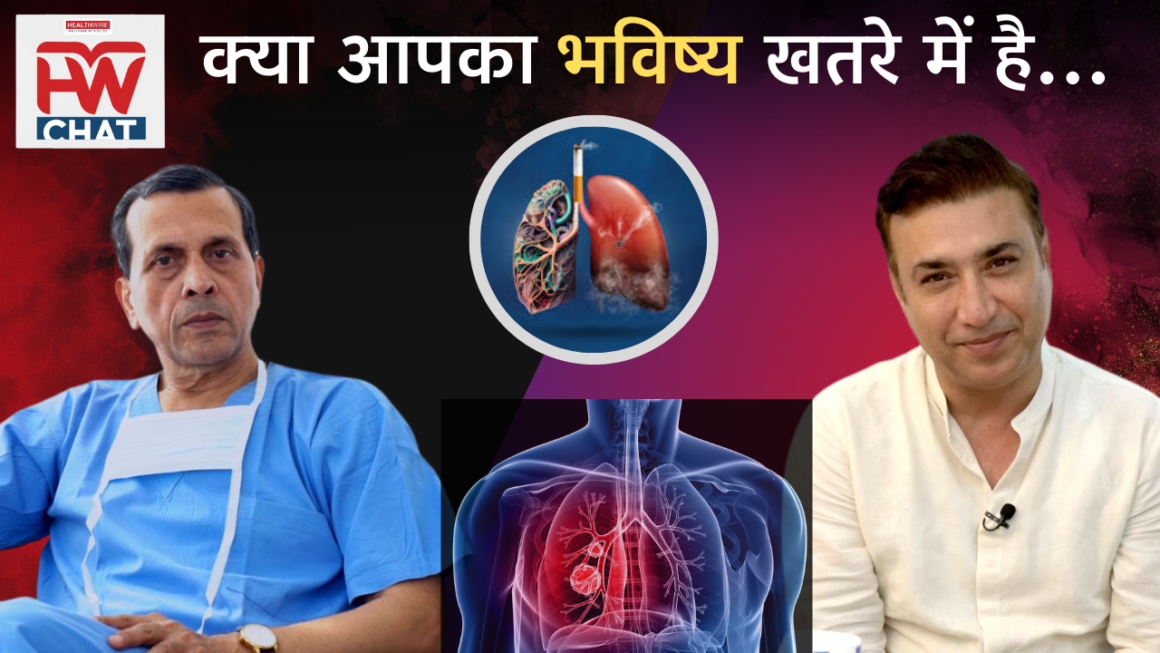
One of the most noticeable effects of breathing in smog is the onset of respiratory problems. Toxic air can irritate your lungs and throat, causing symptoms like coughing, wheezing, and trouble breathing. For those with pre-existing conditions like asthma or chronic obstructive pulmonary disease (COPD), even a brief exposure to smog can trigger severe episodes. The tiny particles in smog can penetrate deep into the lungs, causing inflammation and gradually reducing lung function.

You May also like this-
Cardiovascular Diseases

Beyond just breathing issues, toxic smog is also linked to cardiovascular diseases. Research has indicated that long-term exposure to air pollution can elevate the risk of heart attacks, strokes, and high blood pressure. The pollutants found in smog can enter your bloodstream, leading to inflammation in blood vessels and increasing blood pressure. This hidden danger illustrates the need for clean air to maintain heart health, especially for those already facing cardiovascular challenges.

Neurological Effects

Recent investigations have started to reveal the neurological consequences of breathing toxic smog. Airborne pollutants have been tied to cognitive decline and a heightened risk of conditions like Alzheimer’s. The brain is especially sensitive to the damaging effects of air pollution, which can cause inflammation and oxidative stress. This growing body of evidence underscores the importance of recognizing how air quality affects not just our physical health but also our mental wellness.

Vulnerable Populations

Certain groups of people are particularly at risk from the dangers of smog. Children, whose lungs are still growing, face a higher likelihood of suffering long-term health repercussions from air pollution. In the same vein, elderly individuals often have weaker immune systems and existing health issues that toxic air can worsen. It’s crucial for caregivers and community leaders to focus on initiatives that improve air quality to protect these vulnerable demographics from smog’s harmful effects.

Read Also – Is Marijuana Smoking a Hidden Cancer Risk? Here’s What Study Says

Preventive Measures: Protecting Yourself

While the threats posed by smog are evident, there are steps you can take to safeguard your health. Staying indoors during days of high pollution, utilizing air purifiers, and wearing masks can significantly reduce your exposure. Additionally, advocating for policies that promote cleaner air and supporting local efforts to combat pollution can foster lasting change. Education and awareness play key roles in the battle against air pollution, empowering everyone to take control of their health.


Share

Leave a comment

Leave a Reply

Your email address will not be published. Required fields are marked *

Don't Miss

Air Pollution
Health News

Delhi Chokes Under Toxic Air: Schools Shut, Offices Go Work From Home — How to Stay Safe

New Delhi, 23 December, 2025: Delhi once again finds itself gasping for breath as air pollution levels surge to hazardous levels, pushing authorities...

Colorectal cancer
Latest News

Cervical Cancer Awareness Month 2026: Screening Tips Every Woman Should Know

Cervical cancer is one of the most preventable forms of cancer, yet it remains a leading cause of cancer-related deaths among women globally....

Bird Flu
Latest News

Bird Flu Alert: How to Protect Yourself Without Panicking

Bird flu, also known as avian influenza, is a viral infection primarily affecting birds but capable of infecting humans in rare cases. The...

Latest News

Why Walking 30 Minutes a Day Can Add Years to Your Life

Walking for just 30 minutes a day is one of the simplest yet most effective ways to improve overall health, enhance longevity, and...

Latest News

5 Common Foods That Are Slowly Damaging Your Liver

The liver is one of the most vital organs in the body, responsible for detoxification, metabolizing nutrients, and regulating essential biochemical processes, and...

Section title

Related Articles
Cancer
Latest News

Immunotherapy vs Chemotherapy: Which Cancer Treatment Works Better?

Cancer treatment has evolved rapidly over the past few decades, offering patients...

The Nipah virus is considered one of the deadliest zoonotic infections globally, not because it spreads rapidly like influenza or COVID-19, but because of its extremely high fatality rate, rapid progression, and severe brain involvement. Medical experts warn that once symptoms escalate, the disease can turn fatal within days. According to available data, the case fatality rate of Nipah virus ranges between 50 and 75 per cent, placing it among the most lethal viral infections known to humans. In this explainer, Dr Dip Narayan Mukherjee, Consultant – Microbiology and Infectious Diseases, CK Birla Hospitals, CMRI, sheds light on why the virus is so dangerous and difficult to control. Why Is the Nipah Virus So Deadly? According to Dr Mukherjee, Nipah’s lethality lies in a combination of delayed symptom recognition, aggressive disease progression, and early involvement of the brain. “Nipah virus often begins with very non-specific symptoms, which makes early detection difficult. By the time it is clinically suspected, the virus may have already affected the brain,” he explains. Early Symptoms Often Go Unnoticed One of the biggest challenges in controlling Nipah virus is that its initial symptoms closely resemble common viral illnesses, leading to delays in diagnosis and isolation. Early symptoms include: Fever Headache Cough Muscle pain General weakness “These symptoms are easily mistaken for flu, viral fever, or respiratory infections,” says Dr Mukherjee. “This delay gives the virus time to progress silently.” Severe Brain Infection Drives High Mortality The most dangerous aspect of Nipah virus infection is its neurological involvement. The virus frequently causes encephalitis, or inflammation of the brain, which significantly increases the risk of death. Neurological symptoms may include: Seizures Confusion and altered consciousness Extreme drowsiness Coma “Once the central nervous system is involved, the disease becomes very difficult to manage,” Dr Mukherjee notes. “At this stage, treatment is largely supportive because there is no specific antiviral therapy available.” This lack of targeted treatment options makes early detection critical. Human-to-Human Transmission Raises Risk While Nipah virus is primarily transmitted from fruit bats, it can also spread from person to person, particularly in healthcare settings. Dr Mukherjee points out that: Caregivers and healthcare workers are at higher risk Exposure to high viral loads can worsen outcomes Inadequate infection control increases transmission risk “Strict adherence to infection control practices is essential. Even a small lapse can result in secondary infections,” he says. Zoonotic Nature Makes Exposure Hard to Predict Nipah virus is transmitted from fruit bats, either directly or through intermediate hosts such as pigs. This zoonotic pattern makes outbreaks unpredictable, especially in regions where humans, animals, and wildlife interact closely. Adding to the challenge: There is no approved vaccine Treatment options remain limited Isolation protocols must be strictly enforced What Can Reduce Nipah Fatalities? According to experts, early action remains the most effective defence against Nipah virus. Key measures include: Early isolation of suspected cases Strict use of personal protective equipment (PPE) Rapid escalation and referral to specialised centres Strong hospital infection control protocols “The earlier the virus is identified and contained, the better the chances of preventing severe disease and fatalities,” Dr Mukherjee emphasises. The Bottom Line Nipah virus continues to be a serious public health threat because of its high fatality rate, neurological complications, and lack of targeted treatment. Its ability to masquerade as a mild illness in the early stages makes vigilance crucial. Health experts stress that awareness, early suspicion, and strict infection control are currently the most powerful tools to reduce deaths linked to this deadly virus. As Dr Mukherjee concludes, “With Nipah, time is the most critical factor. Early recognition can save lives.”
Latest News

Why Nipah Virus Has a High Fatality Rate: Factors Affecting Disease Severity

The Nipah virus is widely regarded as one of the deadliest zoonotic...

Latest News

Stroke Risk in India: Symptoms and Urgent Action Steps

Stroke is a leading cause of death and disability in India, yet...

Latest News

Silent Struggle: Over 15 Million Indians Live with Epilepsy, Experts Stress Early Diagnosis and Care

Epilepsy, a neurological disorder that causes recurrent seizures, affects more than 15...

×