

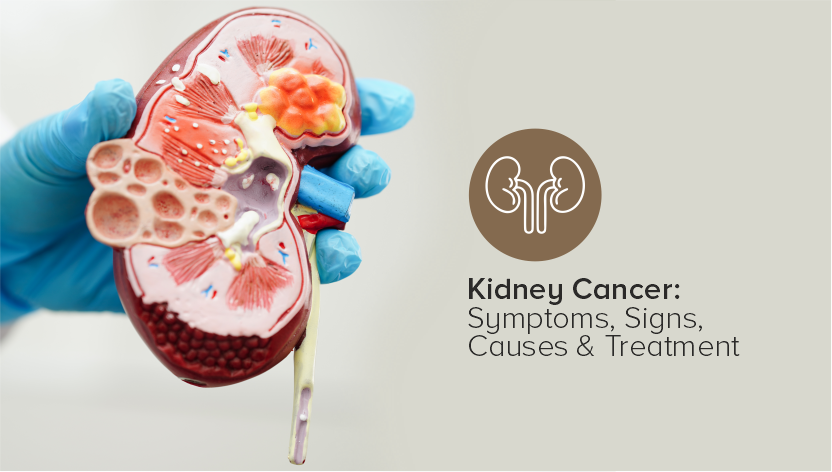
New Delhi, 17 November, 2025: Kidney cancer, also called renal cell carcinoma (RCC), is a growing health concern worldwide. According to global cancer projections, the number of kidney cancer cases is expected to nearly double by 2050, making it one of the fastest-rising cancers of the next few decades. While advances in diagnostic imaging have improved early detection, the reality is that kidney cancer often develops silently, with vague or easily ignored warning signs.
Understanding the reasons behind this alarming rise and learning to recognize the early symptoms could save lives. This article explores why kidney cancer cases are predicted to skyrocket, the risk factors you should be aware of, and the five silent warnings you must never ignore.
The Rising Tide: Why Kidney Cancer Cases Are Set to Double
1. Global Burden of Disease
In 2022, the world recorded around 435,000 new cases of kidney cancer and more than 156,000 deaths. Experts warn that by 2050, this figure could almost double to over 700,000 cases annually. The trend is particularly worrisome in countries experiencing rapid urbanization, lifestyle shifts, and aging populations.
2. Lifestyle and Environmental Factors
Several factors are fueling this surge:
- Obesity and Hypertension: Both conditions increase strain on the kidneys and are strongly linked to kidney cancer. With global obesity rates rising, the risk pool is expanding.
- Diabetes: Chronic blood sugar imbalances can harm kidney function, setting the stage for malignancy.
- Smoking: Long-term smoking exposes kidneys to carcinogenic chemicals, raising cancer risk significantly.
- Occupational Hazards: Exposure to chemicals like trichloroethylene, used in certain industries, has been tied to higher kidney cancer rates.
- Climate and Heat Stress: Dehydration and repeated kidney strain from extreme heat waves may also indirectly contribute to higher risks in the coming decades.
3. Population Growth and Aging
Kidney cancer risk increases with age, especially after 50. By 2050, the global population is projected to cross 9.7 billion, with a significant portion in older age groups — naturally increasing the number of cases.
Why Kidney Cancer Often Goes Undetected
Unlike breast or cervical cancer, there are no routine population-wide screenings for kidney cancer. Many cases are discovered incidentally — during CT scans or ultrasounds ordered for unrelated health problems. Unfortunately, by the time symptoms become obvious, the cancer may already be advanced.
This is why knowing the subtle warning signs is crucial.
5 Silent Warnings You Shouldn’t Ignore
1. Blood in the Urine (Hematuria)
One of the most common early signs is hematuria, or blood in the urine. It may appear visibly red or cola-colored, or it may only be detectable under a microscope during a urine test.
- Why it happens: As tumors grow in the kidney, they can damage blood vessels, causing bleeding.
- Why it’s ignored: People often dismiss it as a urinary tract infection (UTI) or kidney stones.
- When to act: Even if it happens once and then stops, see a doctor immediately. Persistent or unexplained hematuria always requires evaluation.
2. Persistent Back or Flank Pain
Dull, aching pain on one side of the back, below the ribs, is another common but often overlooked sign.
- Why it happens: The tumor can press on nearby tissues, nerves, or the kidney capsule itself.
- Why it’s ignored: Many attribute it to muscle strain, poor posture, or minor injury.
- When to act: If the pain is localized, persistent, and not linked to a clear cause, don’t wait — ask for an ultrasound or CT scan.
3. A Lump or Mass in the Abdomen
Sometimes, kidney tumors grow large enough to be felt as a firm mass on the side or lower back.
- Why it happens: The kidney enlarges as the tumor grows.
- Why it’s ignored: Many people never notice until a doctor finds it during a physical exam.
- When to act: Any unexplained swelling or lump in the abdominal or side area should be checked promptly.
4. Unexplained Weight Loss and Fatigue
Like many cancers, kidney cancer can cause unintended weight loss, reduced appetite, and extreme tiredness.
- Why it happens: Tumors release substances that alter metabolism and suppress appetite. Chronic inflammation also saps energy.
- Why it’s ignored: People often link it to stress, aging, or diet.
- When to act: If you lose weight without changing your diet or lifestyle, and especially if fatigue accompanies it, get evaluated.
5. Recurrent Fever, Anemia, or Night Sweats
Subtle systemic changes can sometimes point toward kidney cancer:
- Unexplained fevers that come and go without infection.
- Anemia (low red blood cell count) leading to weakness, pale skin, and shortness of breath.
- Night sweats or persistent flu-like symptoms without a clear cause.
- Why it happens: Kidney tumors interfere with hormone regulation and immune responses.
- Why it’s ignored: These symptoms are vague and resemble common illnesses.
- When to act: Persistent, unexplained symptoms lasting more than two weeks warrant medical review.
Why Early Detection Matters
The survival rate for kidney cancer depends heavily on when it’s caught:
- Localized kidney cancer (confined to the kidney) has a 5-year survival rate above 90%.
- Regionally spread cancer (spread to nearby lymph nodes) drops survival to around 70%.
- Metastatic cancer (spread to lungs, bones, or liver) has survival rates as low as 15%.
This dramatic difference highlights why paying attention to early signs is so critical.
How to Protect Your Kidney Health
1. Lifestyle Modifications
- Maintain a healthy weight through balanced diet and exercise.
- Quit smoking to cut risk dramatically.
- Control blood pressure and manage diabetes effectively.
- Stay hydrated, especially in hot climates, to reduce kidney stress.
2. Regular Screenings (If at Risk)
If you have a family history of kidney cancer, work in high-exposure industries, or live with chronic kidney disease, ask your doctor about periodic ultrasound or CT scans.
3. Know the Red Flags
Don’t dismiss blood in urine, back pain, or unexplained weight loss. These are not “normal” signs of aging.
4. Medical Checkups
Annual health checkups with routine urinalysis and blood pressure monitoring can reveal early warning signs.
Looking Ahead: Global Action Required
With kidney cancer cases projected to almost double by 2050, public health agencies must take proactive steps:
- Awareness campaigns to educate people on risk factors and symptoms.
- Stronger anti-smoking initiatives, as smoking remains a major modifiable risk factor.
- Research funding to develop better diagnostic biomarkers and targeted therapies.
- Access to treatment in low- and middle-income countries where diagnosis often comes too late.
Kidney cancer may not be as widely discussed as breast, lung, or colon cancer, but it is a silent threat rising rapidly worldwide. By 2050, its incidence could nearly double — a frightening prospect if awareness remains low.
The good news? Early detection saves lives. Knowing the five silent warnings — blood in urine, back pain, abdominal mass, unexplained weight loss, and persistent systemic symptoms — empowers you to seek help before it’s too late.
Your kidneys work tirelessly to filter your blood and keep you healthy. It’s time we return the favor by paying attention to their well-being. Stay aware, stay vigilant, and remember — your health is always worth prioritizing.













Leave a comment