Home Latest News Kala-Azar in India: Understanding the Deadly Parasite Men­acing Millions — Causes, Symptoms, Treatment, and Prevention
Latest News

Kala-Azar in India: Understanding the Deadly Parasite Men­acing Millions — Causes, Symptoms, Treatment, and Prevention

Share
Share

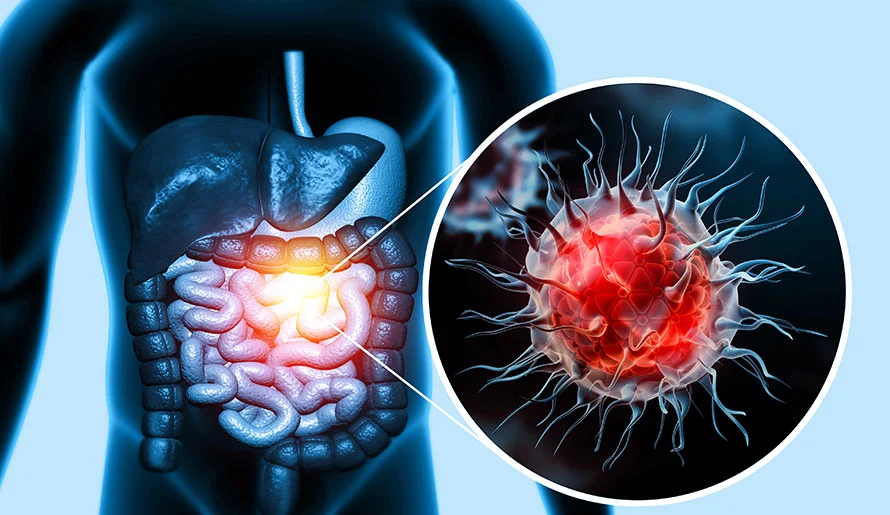
New Delhi, 16 August 2025: Kala-azar, also known as visceral leishmaniasis, is a life-threatening parasitic disease that silently wreaks havoc in several regions of India—most notably Bihar, Jharkhand, West Bengal, and parts of Uttar Pradesh. Caused by the Leishmania donovani parasite and transmitted via the bite of infected sandflies, this disease attacks the body’s internal organs—particularly the liver, spleen, and bone marrow. Let’s unravel what makes kala-azar so deadly, and how communities and authorities are fighting back.

What Is Kala-Azar and How Does It Spread?

Kala-azar—literally “black fever”—is among the world’s most lethal parasitic diseases. The sandfly Phlebotomus argentipes transmits the Leishmania donovani parasite when it bites humans. Once inside, the parasite multiplies in organs such as the liver and spleen, compromising immune function and triggering life-threatening symptoms.

While historically prevalent in eastern and central India, cases have plummeted in recent years thanks to aggressive elimination campaigns. Still, areas steeped in poverty, malnutrition, and poor sanitation remain vulnerable to outbreaks.

The disease is endemic to 633 blocks across four Indian states—Bihar, Jharkhand, West Bengal, and Uttar Pradesh—and accounts for the vast majority of national cases. While rare cases have surfaced in areas like Madhya Pradesh, Kerala, and Assam, the core burden remains firmly in the east.

Kala-azar most often surges between June and October, during the late monsoon and early post-monsoon period. Rising humidity, stagnant water, and muddy environments create ideal breeding grounds for sandflies, increasing the risk of disease spread.

Recognizing the Telltale Symptoms

Kala-azar may begin subtly, but the warning signs grow more severe over time. Key symptoms include:

  • Prolonged high fevers, often irregular and unresponsive to standard medications
  • Rapid, unexplained weight loss
  • Profound fatigue and weakness
  • Severe anemia, leading to pallor and lethargy
  • Enlarged liver and spleen, detectable through swelling in the abdomen
  • Skin darkening—a signature sign, giving the disease its nickname
  • Loss of appetite and slow growth in children

Left untreated, this often proves fatal within two years, marking kala-azar as a silent but deadly nemesis.

Treatment: From Hospital Care to Home Support

Thanks to medical advancements, kala-azar is treatable—but only with proper care. The main treatments include:

  • Liposomal Amphotericin B, delivered via hospital supervision, is highly effective and minimizes toxicity.
  • Miltefosine, an oral medication now part of national treatment protocols.
  • Oral and injectable combination therapies (e.g., with paromomycin) offer over 97% cure rates.

Complementing treatment, proper nutrition and hydration are critical—nutrition supplements like pulses and multivitamins are often provided to bolster recovery.

India’s Push Toward Elimination

India’s multi-faceted elimination strategy has achieved remarkable results. Between 2014 and 2022, cases dropped by around 98%—with more than 630 out of 633 endemic blocks meeting elimination criteria. Success comes from:

  • Aggressive case detection—screening entire villages after identifying a case.
  • Indoor residual spraying (IRS) of insecticide to reduce sandfly populations.
  • Real-time information systems to track cases and allocate resources quickly.
  • Wage-loss compensation to incentivize treatment-seeking.

Despite near-elimination status, early detection, sustainable spray coverage, and surveillance remain essential to preventing resurgence.

The Socioeconomic Toll: Who Bears the Burden?

Kala-azar is the “disease of the poor,” striking hardest in marginalized rural communities with poor housing, malnutrition, and limited access to healthcare. In hard-hit regions, families spend significant resources on treatment—even taking loans with exorbitant interest. For some, the financial burden persists long after recovery.

Innovations in Surveillance and Treatment

To maintain elimination gains, several innovative strategies are in play:

  • Telehealth solutions, including real-time surveillance and remote care, bridge gaps in remote areas.
  • Targeted elimination campaigns, such as active case detection in hotspot villages.
  • Policies to prevent relapse in vulnerable groups like malnourished patients or those co-infected with HIV.

These tools help ensure timely diagnoses and equitable access to lifesaving treatments.

Overcoming Remaining Challenges

Despite incredible progress, Kala-azar still poses challenges:

  • Drug resistance, including to older treatments like sodium antimony gluconate.
  • Insecticide resistance in sandfly populations in some areas.
  • Post-treatment skin conditions like PKDL, which can sustain transmission.
  • The absence of an effective vaccine.

Sustainable elimination will depend on community engagement, monitoring, and keeping vigilance even when numbers are low.

Community Protection Through Prevention

Prevention remains the most powerful tool. Simple yet effective measures include:

  • Maintaining clean and dry surroundings, free of pits and standing water.
  • Using insecticide-treated bed nets and full-coverage clothing.
  • Indoor residual spraying, especially on walls and dark spaces where sandflies hide.
  • Prompt treatment of infected individuals to prevent wider spread.

Prevention helps safeguard entire communities—not just individuals.

Kala-azar once haunted rural India relentlessly; today, the path to eradication is within sight. Thanks to sustained investment in prevention, surveillance, and treatment innovations, India is nearing elimination as a public health concern.

But true victory means more than a statistic—it means lasting safety, equitable healthcare access, and resilient health systems.


Share

Leave a comment

Leave a Reply

Your email address will not be published. Required fields are marked *

Don't Miss

Air Pollution
Health News

Delhi Chokes Under Toxic Air: Schools Shut, Offices Go Work From Home — How to Stay Safe

New Delhi, 23 December, 2025: Delhi once again finds itself gasping for breath as air pollution levels surge to hazardous levels, pushing authorities...

Colorectal cancer
Latest News

Cervical Cancer Awareness Month 2026: Screening Tips Every Woman Should Know

Cervical cancer is one of the most preventable forms of cancer, yet it remains a leading cause of cancer-related deaths among women globally....

Bird Flu
Latest News

Bird Flu Alert: How to Protect Yourself Without Panicking

Bird flu, also known as avian influenza, is a viral infection primarily affecting birds but capable of infecting humans in rare cases. The...

Latest News

Why Walking 30 Minutes a Day Can Add Years to Your Life

Walking for just 30 minutes a day is one of the simplest yet most effective ways to improve overall health, enhance longevity, and...

Latest News

5 Common Foods That Are Slowly Damaging Your Liver

The liver is one of the most vital organs in the body, responsible for detoxification, metabolizing nutrients, and regulating essential biochemical processes, and...

Section title

Related Articles
Cancer
Latest News

Immunotherapy vs Chemotherapy: Which Cancer Treatment Works Better?

Cancer treatment has evolved rapidly over the past few decades, offering patients...

The Nipah virus is considered one of the deadliest zoonotic infections globally, not because it spreads rapidly like influenza or COVID-19, but because of its extremely high fatality rate, rapid progression, and severe brain involvement. Medical experts warn that once symptoms escalate, the disease can turn fatal within days. According to available data, the case fatality rate of Nipah virus ranges between 50 and 75 per cent, placing it among the most lethal viral infections known to humans. In this explainer, Dr Dip Narayan Mukherjee, Consultant – Microbiology and Infectious Diseases, CK Birla Hospitals, CMRI, sheds light on why the virus is so dangerous and difficult to control. Why Is the Nipah Virus So Deadly? According to Dr Mukherjee, Nipah’s lethality lies in a combination of delayed symptom recognition, aggressive disease progression, and early involvement of the brain. “Nipah virus often begins with very non-specific symptoms, which makes early detection difficult. By the time it is clinically suspected, the virus may have already affected the brain,” he explains. Early Symptoms Often Go Unnoticed One of the biggest challenges in controlling Nipah virus is that its initial symptoms closely resemble common viral illnesses, leading to delays in diagnosis and isolation. Early symptoms include: Fever Headache Cough Muscle pain General weakness “These symptoms are easily mistaken for flu, viral fever, or respiratory infections,” says Dr Mukherjee. “This delay gives the virus time to progress silently.” Severe Brain Infection Drives High Mortality The most dangerous aspect of Nipah virus infection is its neurological involvement. The virus frequently causes encephalitis, or inflammation of the brain, which significantly increases the risk of death. Neurological symptoms may include: Seizures Confusion and altered consciousness Extreme drowsiness Coma “Once the central nervous system is involved, the disease becomes very difficult to manage,” Dr Mukherjee notes. “At this stage, treatment is largely supportive because there is no specific antiviral therapy available.” This lack of targeted treatment options makes early detection critical. Human-to-Human Transmission Raises Risk While Nipah virus is primarily transmitted from fruit bats, it can also spread from person to person, particularly in healthcare settings. Dr Mukherjee points out that: Caregivers and healthcare workers are at higher risk Exposure to high viral loads can worsen outcomes Inadequate infection control increases transmission risk “Strict adherence to infection control practices is essential. Even a small lapse can result in secondary infections,” he says. Zoonotic Nature Makes Exposure Hard to Predict Nipah virus is transmitted from fruit bats, either directly or through intermediate hosts such as pigs. This zoonotic pattern makes outbreaks unpredictable, especially in regions where humans, animals, and wildlife interact closely. Adding to the challenge: There is no approved vaccine Treatment options remain limited Isolation protocols must be strictly enforced What Can Reduce Nipah Fatalities? According to experts, early action remains the most effective defence against Nipah virus. Key measures include: Early isolation of suspected cases Strict use of personal protective equipment (PPE) Rapid escalation and referral to specialised centres Strong hospital infection control protocols “The earlier the virus is identified and contained, the better the chances of preventing severe disease and fatalities,” Dr Mukherjee emphasises. The Bottom Line Nipah virus continues to be a serious public health threat because of its high fatality rate, neurological complications, and lack of targeted treatment. Its ability to masquerade as a mild illness in the early stages makes vigilance crucial. Health experts stress that awareness, early suspicion, and strict infection control are currently the most powerful tools to reduce deaths linked to this deadly virus. As Dr Mukherjee concludes, “With Nipah, time is the most critical factor. Early recognition can save lives.”
Latest News

Why Nipah Virus Has a High Fatality Rate: Factors Affecting Disease Severity

The Nipah virus is widely regarded as one of the deadliest zoonotic...

Latest News

Stroke Risk in India: Symptoms and Urgent Action Steps

Stroke is a leading cause of death and disability in India, yet...

Latest News

Silent Struggle: Over 15 Million Indians Live with Epilepsy, Experts Stress Early Diagnosis and Care

Epilepsy, a neurological disorder that causes recurrent seizures, affects more than 15...

×