

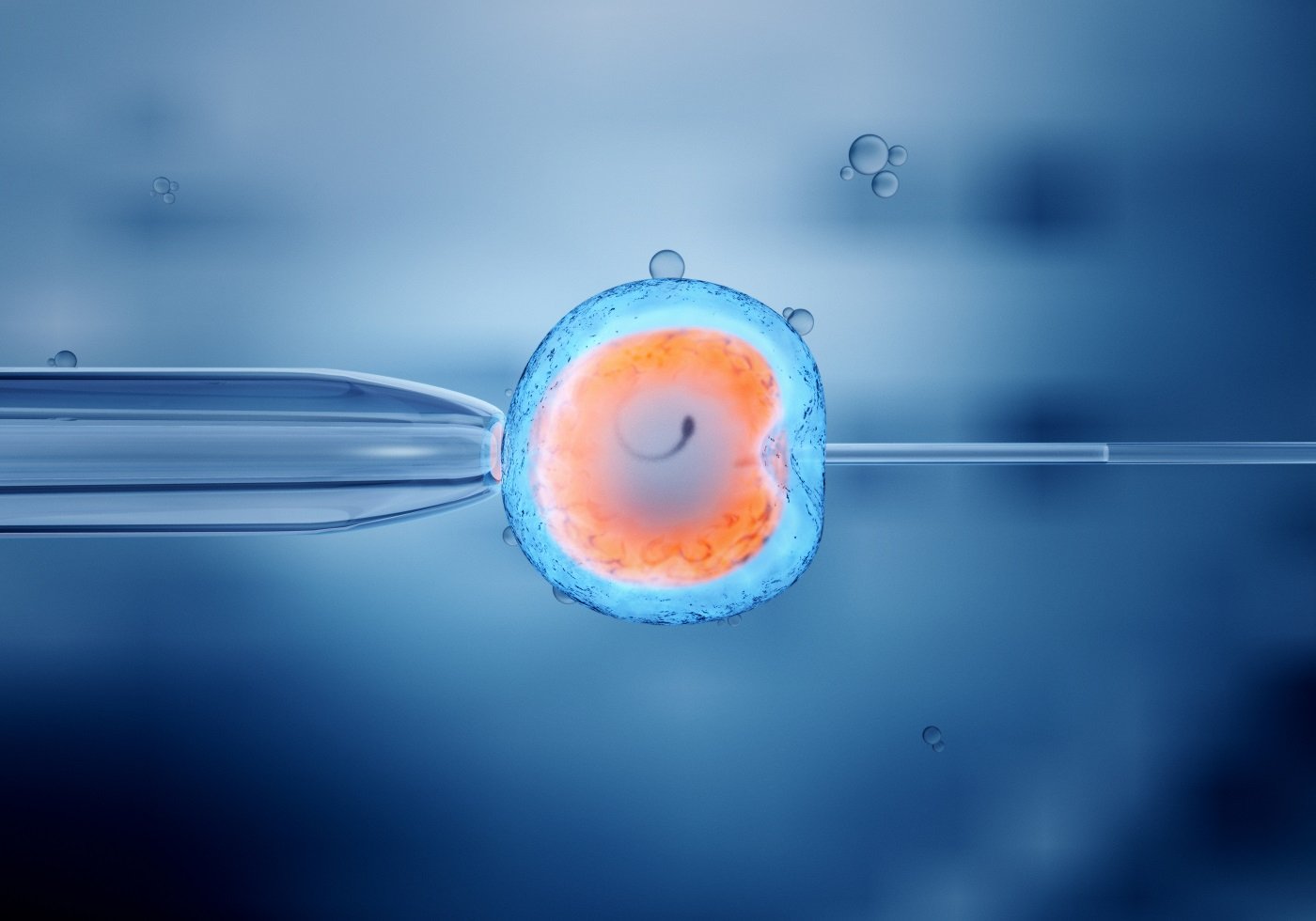
New Delhi, 03 October, 2025: For many couples struggling with infertility, In Vitro Fertilization (IVF) offers a ray of hope. The procedure, which involves retrieving eggs, fertilizing them in a lab, and implanting the embryo into the uterus, has helped millions worldwide achieve parenthood. But IVF is often not successful in the first attempt—success rates vary depending on age, health, and other factors.
This leads to a common question: Is it safe to undergo IVF more than once? Fertility experts say yes, but with important caveats. Let’s explore the science, the risks, and what you should know if you’re considering IVF for the second time.
Why Couples May Need More Than One IVF Cycle
Despite advances in reproductive medicine, IVF doesn’t guarantee success the first time. According to fertility specialists:
- Success rates per cycle: On average, IVF has a 30–40% success rate per cycle in women under 35, and this drops with age.
- Multiple attempts common: Many women may need 2–3 cycles before achieving pregnancy.
- Factors influencing outcomes: Age, ovarian reserve, sperm quality, underlying health issues, and even lifestyle choices can affect the outcome.
“IVF is not a one-size-fits-all solution. Multiple attempts are often part of the journey, and repeating the procedure is generally safe when done under medical supervision,” explains Dr. Anita Sharma, a reproductive endocrinologist.
Is IVF Safe the Second Time?
Physical Safety
Experts emphasize that undergoing IVF twice is generally safe, provided the patient’s overall health allows it. The medications used for ovarian stimulation and the egg retrieval process are well-studied and carefully monitored.
- No long-term harm: Current research shows that multiple IVF cycles do not increase long-term risks of cancer or major reproductive health issues.
- Temporary side effects: Bloating, cramping, or mood swings from hormonal injections may recur but are typically manageable.
Emotional Safety
The emotional toll of a second IVF attempt can be more challenging than the first. The stress, financial strain, and anxiety from a previous unsuccessful cycle may intensify.
“Couples need to prepare emotionally for another cycle. Support groups, counseling, and open communication with doctors can make a huge difference,” says Dr. Meera Gupta, IVF specialist.
Factors to Consider Before a Second IVF Attempt
- Age and Fertility Window
- Women under 35 have the highest chances of success in repeated IVF cycles.
- For women above 40, the success rate significantly declines.
- Time Gap Between Cycles
- Doctors typically recommend waiting at least one menstrual cycle between attempts to allow the body to recover.
- In cases of ovarian hyperstimulation or complications, longer recovery may be needed.
- Underlying Health Conditions
- Thyroid issues, PCOS, endometriosis, or uncontrolled diabetes may affect outcomes.
- Addressing these before starting another cycle improves success chances.
- Embryo Quality
- Embryo grading and genetic testing (PGT) can help determine the best embryos for transfer, increasing success in subsequent attempts.
- Lifestyle Factors
- Maintaining a healthy weight, quitting smoking, reducing alcohol, and managing stress all improve outcomes.
Success Rates in Second IVF Cycles
Interestingly, research shows that success rates often improve with repeated cycles, as doctors can adjust protocols based on previous outcomes.
- Cumulative success: Studies suggest that after three IVF cycles, the chance of achieving pregnancy rises to nearly 60–70%.
- Tailored treatment: Fertility specialists often modify medication doses, stimulation protocols, or embryo transfer techniques to improve results.
“We learn from the first cycle—how the body responds to hormones, the egg quality, and the fertilization rate. This allows us to refine the approach in the second cycle,” says Dr. Rajiv Menon, senior embryologist.
Risks of Multiple IVF Attempts
While generally safe, undergoing IVF more than once is not without risks.
- Ovarian Hyperstimulation Syndrome (OHSS)
- Caused by overstimulation of ovaries during hormone injections.
- Symptoms include bloating, nausea, and, in severe cases, fluid buildup.
- Emotional Burnout
- Each unsuccessful cycle can take a toll on mental health.
- Anxiety, depression, or relationship strain may occur.
- Financial Burden
- IVF is expensive, and repeated cycles can put immense financial stress on families.
- Pregnancy-Related Risks
- Women who achieve pregnancy after IVF may have slightly higher risks of preterm birth or low birth weight, though many deliver healthy babies.
How to Improve Success in a Second IVF Cycle
Fertility experts recommend the following strategies for couples considering another attempt:
- Optimize health before IVF: Regular exercise, balanced diet, and supplements like folic acid and vitamin D can improve fertility outcomes.
- Personalized stimulation protocols: Doctors may alter hormone dosages for better egg yield.
- Consider frozen embryos: Frozen embryo transfer (FET) often yields higher success rates compared to fresh transfers.
- Genetic testing: Preimplantation genetic testing helps select embryos with the best chance of survival.
- Stress management: Yoga, meditation, or therapy can reduce anxiety and improve mental resilience.
Emotional Preparation Matters
Many couples underestimate the emotional impact of repeated IVF attempts.
- Counseling: Speaking with fertility counselors or therapists can help manage expectations.
- Support groups: Interacting with others undergoing IVF provides encouragement and reduces isolation.
- Positive mindset: While easier said than done, staying hopeful plays a crucial role in coping with the process.
“IVF is not just a medical treatment, it’s an emotional journey. Going into a second cycle with realistic expectations and support systems in place is key,” emphasizes Dr. Sharma.
Is It Safe to Try IVF Twice?
Yes—it is safe to undergo IVF twice, and even multiple times, under proper medical supervision. In fact, repeated attempts are common and often necessary for success. While risks like stress, financial strain, and mild medical side effects exist, the procedure itself does not pose serious long-term dangers.
For couples considering a second cycle, the key is to:
- Work closely with fertility experts.
- Allow the body and mind to recover between attempts.
- Address underlying health and lifestyle factors.
- Be emotionally prepared for the journey.
Ultimately, IVF is a marathon, not a sprint. With patience, personalized medical guidance, and emotional support, the second attempt can bring couples much closer to their dream of parenthood.













Leave a comment