

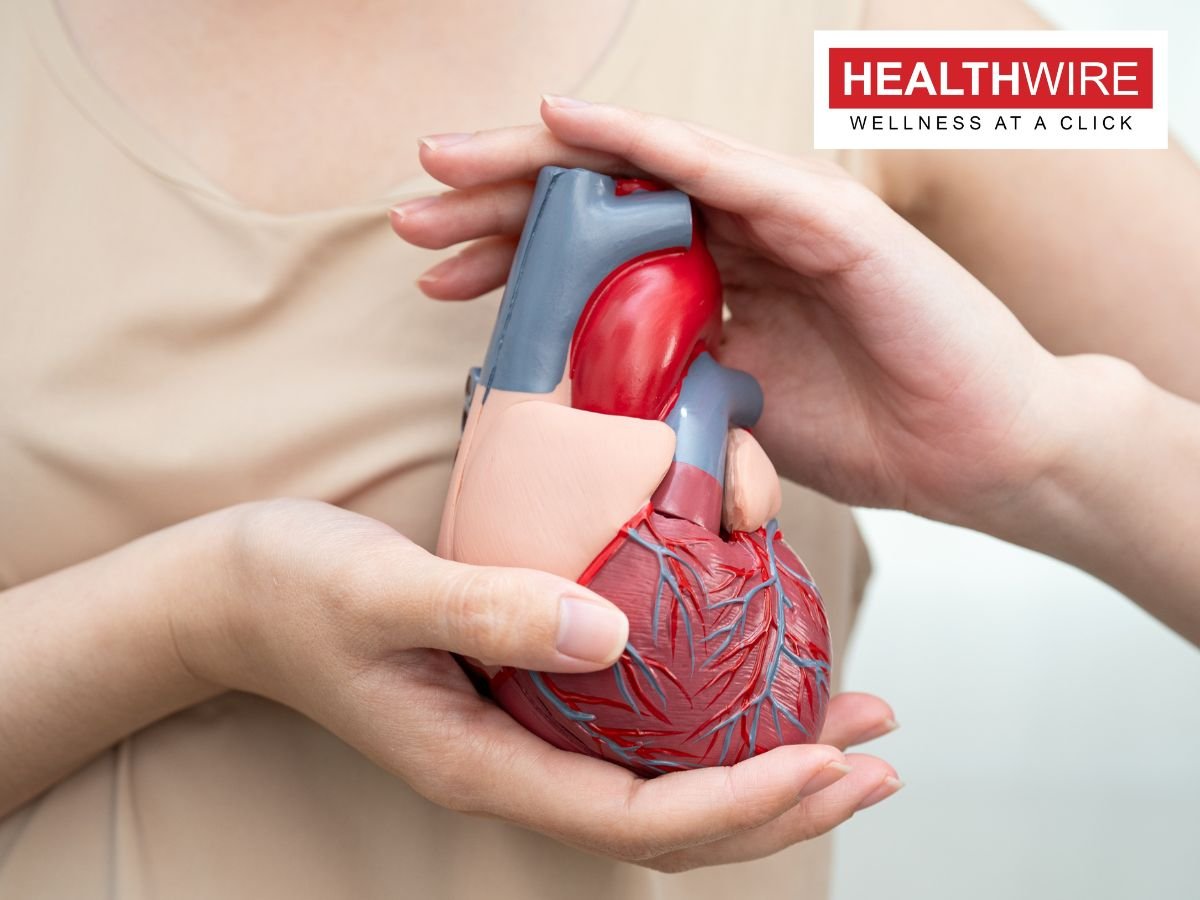
New Delhi, 04 October, 2025: A “hole in the heart” is a term commonly used to describe congenital heart defects (CHDs), which are structural problems in the heart that people are born with. While the phrase may sound alarming, not all cases are life-threatening. Some defects are so small they close on their own with time, while others may require medical attention, monitoring, or surgery. Understanding the condition, its risks, diagnosis, and treatment can help patients and families make informed decisions and ensure a healthier future.
In this article, we’ll break down what a hole in the heart really means, why early diagnosis is important, the treatment options available, and how it affects life expectancy.
What Is a Hole in the Heart?
A hole in the heart generally refers to one of two conditions:
- Atrial Septal Defect (ASD): A hole in the wall (septum) that separates the two upper chambers of the heart (atria).
- Ventricular Septal Defect (VSD): A hole in the wall separating the lower chambers (ventricles).
Both conditions affect how blood flows through the heart. Instead of moving in the normal one-way direction, some oxygen-rich blood may leak into areas containing oxygen-poor blood. This can cause the heart to work harder and, in severe cases, lead to complications over time.
Causes of Hole in the Heart
- Genetic factors: Many CHDs, including ASDs and VSDs, can run in families.
- Maternal health conditions: Infections like rubella during pregnancy, uncontrolled diabetes, and certain medications can increase the risk.
- Chromosomal abnormalities: Conditions like Down syndrome are associated with higher chances of heart defects.
- Unknown factors: In many cases, the exact cause remains unclear.
Symptoms of Hole in the Heart
Small holes may not cause any noticeable symptoms and are often discovered during routine checkups. Larger defects, however, can lead to:
- Shortness of breath
- Fatigue, especially during activity
- Frequent respiratory infections
- Heart palpitations
- Swelling in legs, abdomen, or veins in the neck (in severe cases)
- Poor growth and weight gain in infants
It’s important to note that not all holes present symptoms right away. Sometimes, the condition is only detected in adulthood.
Is It Dangerous?
The seriousness of a hole in the heart depends on:
- Size of the hole: Small defects often close on their own and may never cause problems. Larger defects can strain the heart and lungs.
- Location: VSDs (between ventricles) tend to be more problematic than small ASDs.
- Presence of complications: If untreated, large defects can cause pulmonary hypertension (high blood pressure in the lungs), arrhythmias, stroke, or heart failure.
While many patients live normal, healthy lives, untreated large holes can indeed become dangerous over time. That’s why early diagnosis is critical.
Importance of Early Diagnosis
Early detection allows for timely monitoring and treatment, preventing complications. Doctors use several tools to diagnose a hole in the heart:
- Echocardiogram (echo): Ultrasound imaging of the heart that detects structural issues.
- Electrocardiogram (ECG): Measures heart’s electrical activity and detects rhythm problems.
- Chest X-ray: Helps identify heart enlargement or lung problems caused by excessive blood flow.
- MRI or CT scan: Advanced imaging for detailed heart structure.
- Cardiac catheterization: A procedure that helps confirm diagnosis and measure pressures in the heart.
Treatment Options
1. Watchful Waiting
If the hole is small and not causing symptoms, doctors may recommend regular check-ups to monitor its size and impact. Many ASDs and VSDs close naturally during childhood.
2. Medication
Medications do not close the hole but help manage symptoms such as high blood pressure, irregular heartbeats, or fluid buildup. Common medicines include:
- Diuretics (reduce fluid retention)
- Beta-blockers (control heart rate)
- ACE inhibitors (reduce heart strain)
3. Catheter-Based Procedures
For moderate-sized defects, a minimally invasive procedure may be done where doctors insert a closure device via a catheter (tube) threaded through a blood vessel into the heart.
4. Surgery
Large or complex holes often require open-heart surgery, where surgeons stitch the hole closed or use a special patch. Advances in surgical techniques have made recovery faster and safer, even in children.
Life Expectancy with Hole in the Heart
The good news: with proper treatment and monitoring, most patients with a hole in the heart live a normal, healthy life span.
- Small defects: Often harmless and close naturally without affecting life expectancy.
- Treated large defects: Surgery or catheter closure usually ensures excellent long-term outcomes.
- Untreated large defects: These can reduce life expectancy significantly due to risks of heart failure, stroke, or pulmonary hypertension.
Living with a Hole in the Heart
1. Regular Checkups
Even after treatment, patients must attend follow-up visits to monitor heart function.
2. Heart-Healthy Lifestyle
- Eat a balanced diet rich in fruits, vegetables, lean proteins, and whole grains.
- Avoid excessive salt, sugar, and processed foods.
- Maintain a healthy weight.
3. Exercise
Most people with treated or small defects can exercise normally. However, strenuous activity may be restricted in severe cases. Always consult a cardiologist before beginning new workout routines.
4. Avoid Smoking and Alcohol
Both can increase heart strain and worsen symptoms.
5. Pregnancy Considerations
Women with a history of hole in the heart should consult a cardiologist before planning pregnancy. While many have safe pregnancies, some may face higher risks of complications.
When to See a Doctor
Seek immediate medical care if you experience:
- Persistent shortness of breath
- Chest pain or palpitations
- Dizziness or fainting
- Swelling in legs or abdomen
- Severe fatigue or inability to perform daily activities
Early intervention can make all the difference in outcomes.
Key Takeaways
- A hole in the heart (ASD or VSD) is a type of congenital heart defect that varies in severity.
- Small defects often close naturally and pose little risk.
- Larger or untreated holes can lead to serious complications, but with modern treatments, outcomes are excellent.
- Early diagnosis, regular monitoring, and a healthy lifestyle are crucial for long-term wellbeing.
A hole in the heart can sound frightening, but modern medicine has made it highly manageable. With early detection, the right treatment, and proper care, most people with this condition go on to live long, fulfilling lives.
















Leave a comment