

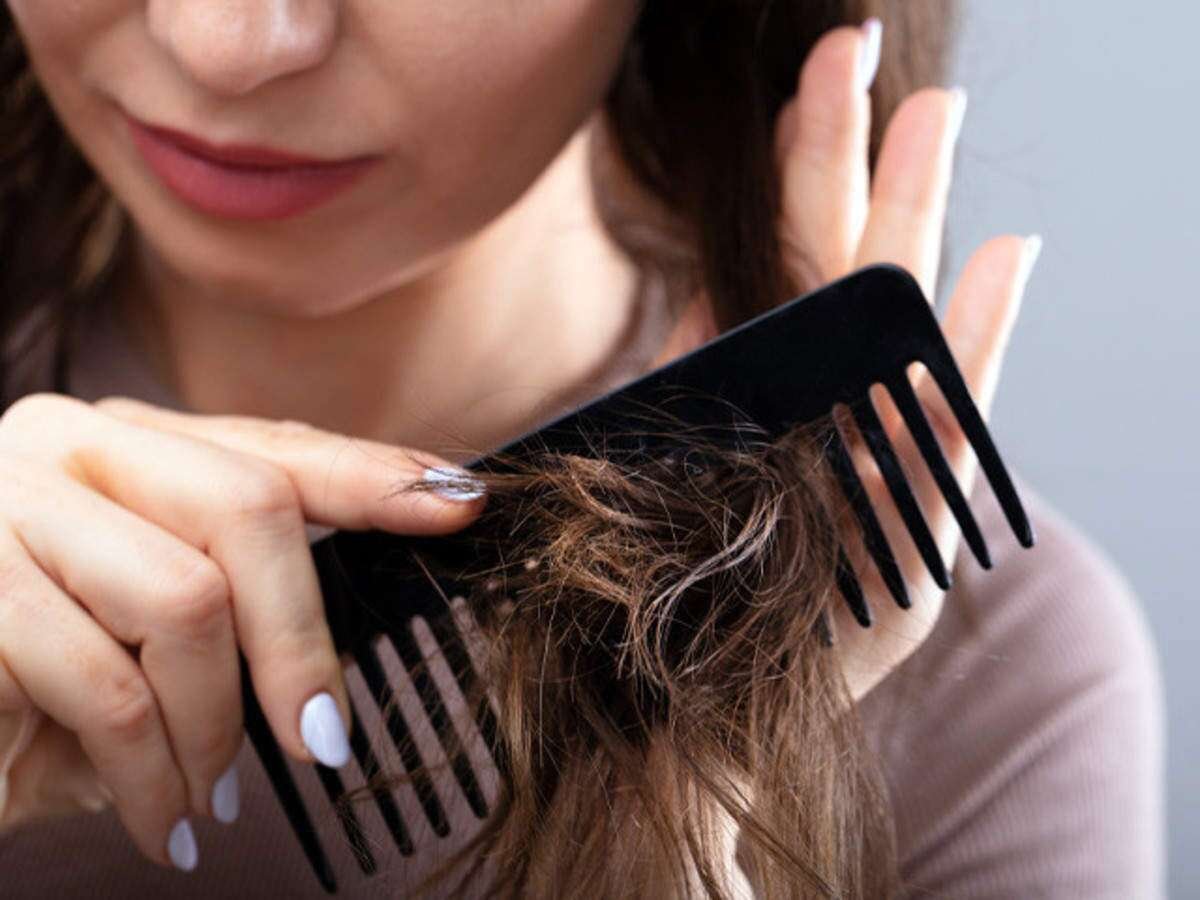
Iron Deficiency And Hair Loss: Hair loss is a common issue that can affect people of all ages, caused by several factors. Experts note that many people experience hair thinning due to a lack of nutrients, such as iron deficiency, which prevents the body from producing haemoglobin to repair cells in the body, including stimulating hair growth.
Importance Of Iron: What Happens If It Is Insufficient?
“Iron is a mineral that the body needs for growth and development. Your body uses iron to make haemoglobin, a protein in red blood cells that carries oxygen from the lungs to all parts of the body, and myoglobin, a protein that provides oxygen to muscles,” the National Institute of Health (NIH) explains. “Your body also needs iron to make some hormones.”
According to the US health agency, how much iron a person needs depends on age, sex, and diet. On average, the NIH notes, “Vegetarians who do not eat meat, poultry or seafood need almost twice as much iron as listed in the table because the body doesn’t absorb nonheme iron in plant foods as well as heme iron in animal foods.” Here’s a list of life stages and a recommended amount of iron in milligrams (mg):
- Birth to 6 months: 0.27 mg
- Infants 7 to 12 months: 11 mg
- Children 1 to 3 years: 7 mg
- Children 4 to 8 years: 10 mg
- Children 9 to 13 years: 8 mg
- Teen boys 14 to 18 years: 11 mg
- Teen girls 14 to 18 years: 15 mg
- Adult men 19 to 50 years: 8 mg
- Adult women 19 to 50 years: 18 mg
- Adults 51 years and older: 8 mg
- Pregnant teens: 27 mg
- Pregnant women: 27 mg
- Breastfeeding teens: 10 mg
- Breastfeeding women: 9 mg
Can Iron Deficiency Lead To Hair Fall?
A study published in the Journal of Korean Medical Science found that iron deficiency may not only play a crucial role in hair loss, they can also cause hair to fall in a pattern similar to traditional male- and female-pattern baldness. Experts warn that if you’re losing hair, you may notice more hair than usual in the shower drain or hairbrushes. According to Medical News Today, certain treatments can help reduce your risk of excessive hair fall due to iron deficiency, such as:
- Minoxidil: This medication is available as a topical solution
- 5-alpha-reductase inhibitors: Medications such as finasteride can help increase enzyme levels to promote hair growth
- Surgical techniques: Hair transplantation can help restore a person’s hair
“Doctors are continually researching new techniques to restore hair growth. One example is platelet-rich plasma (PRP) treatment. This involves separating the platelets from a sample of a person’s blood using a specialized machine and then injecting these platelets into areas of the scalp affected by hair loss,” Medical News Today explains. “Reviews suggest that PRP treatment may be effective in treating hair loss, but the mechanisms of action are not fully understood.”
Natural Ways To Prevent Hair Fall
You can prevent hair fall through various means, including tweaking your lifestyle routine. Here are simple yet effective natural ways to prevent future hair loss:
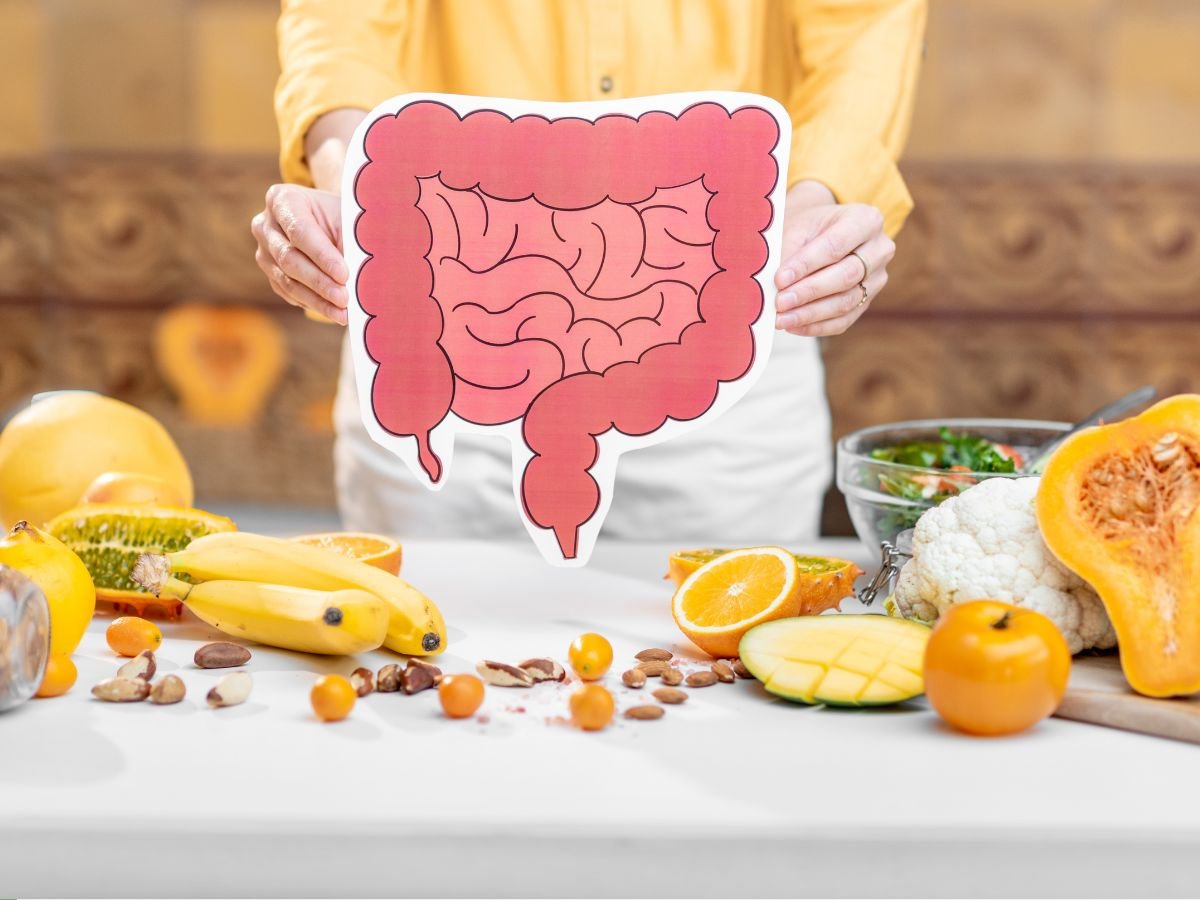
- Eat a nutritious and balanced diet
- Consume foods that are high in vitamin C
- Wear your hair down
- Protect your hair from harmful elements
- Brush and wash your hair gently
- Avoid using chemicals and hair dyes
- Avoid heat-based equipment like blow dryers and curling irons
The content is only for informational purposes. It is not at all professional medical advice. Always consult your doctor or a healthcare specialist for any questions regarding your health or a medical condition.













Leave a comment