

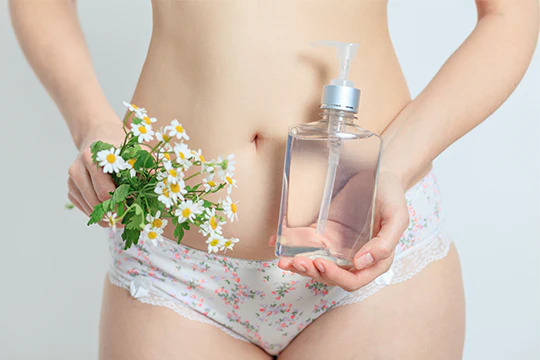
Scroll through any health-focused feed these days and you’ll come across at least a handful of posts about intimate hygiene. Reels recommending specific washes, Reddit threads debating intimate sprays, influencers promoting “detox” products – it’s a lot. And while it’s genuinely positive that more women feel comfortable talking about this stuff openly, a worrying amount of what’s circulating online is either misleading or outright wrong. Some of it can actually do real harm.
Why is intimate hygiene advice online misleading?
According to Dr Priya Darshni, Obstetrician & Gynaecologist at Plush, “Let’s start with the most important thing to understand: the intimate part cleans itself. That’s not a simplification – it’s biology. The intimate environment is maintained by a community of bacteria, mostly lactobacilli, that help ward off infections naturally. This ecosystem is surprisingly effective, and it doesn’t need outside help. The problems start not from a lack of cleaning, but from interfering with a system that was already working fine.”
Why can intimate products do more harm than good?
So what does good hygiene actually look like? Honestly, it’s simpler than social media would have you believe. “The intimate part doesn’t need cleaning – full stop. The outer area can be gently cleaned with plain warm water. If you prefer to use soap, keep it mild and completely unscented, and only ever on the outside. That’s genuinely it,” the doctor added.
What proper intimate hygiene actually looks like?
Day-to-day habits matter more than any product. Cotton underwear is worth investing in – it’s breathable and less likely to trap heat and moisture compared to synthetic fabrics. Staying in sweaty workout gear or tight clothing for hours after exercise is one of the most common triggers for irritation and infection. It’s a small thing, but it makes a real difference.
Daily habits that support intimate health
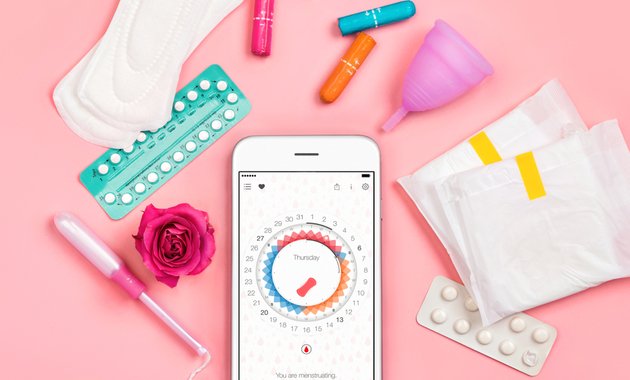
Menstrual hygiene is another area where simple, consistent habits go a long way. Pads, tampons, menstrual cups – whatever you use – should be changed or emptied regularly. A general guide is every four to eight hours depending on your flow, though heavier days may require more frequent changes. Leaving products in for too long increases the risk of irritation and, in rare cases, more serious complications.
Menstrual hygiene: Simple practices to follow
The doctor explains, “One pattern that’s worth naming is what I’d call ‘over-hygiene.” There’s enormous pressure – largely driven by advertising and social media – to feel perfectly odourless and “fresh” at all times. But here’s the truth: a mild, natural scent is completely normal. Some clear or whitish discharge is normal. Your body is working as it should. Reaching for a product every time you notice these things doesn’t just fail to fix anything – it often creates the problem it promised to solve.”
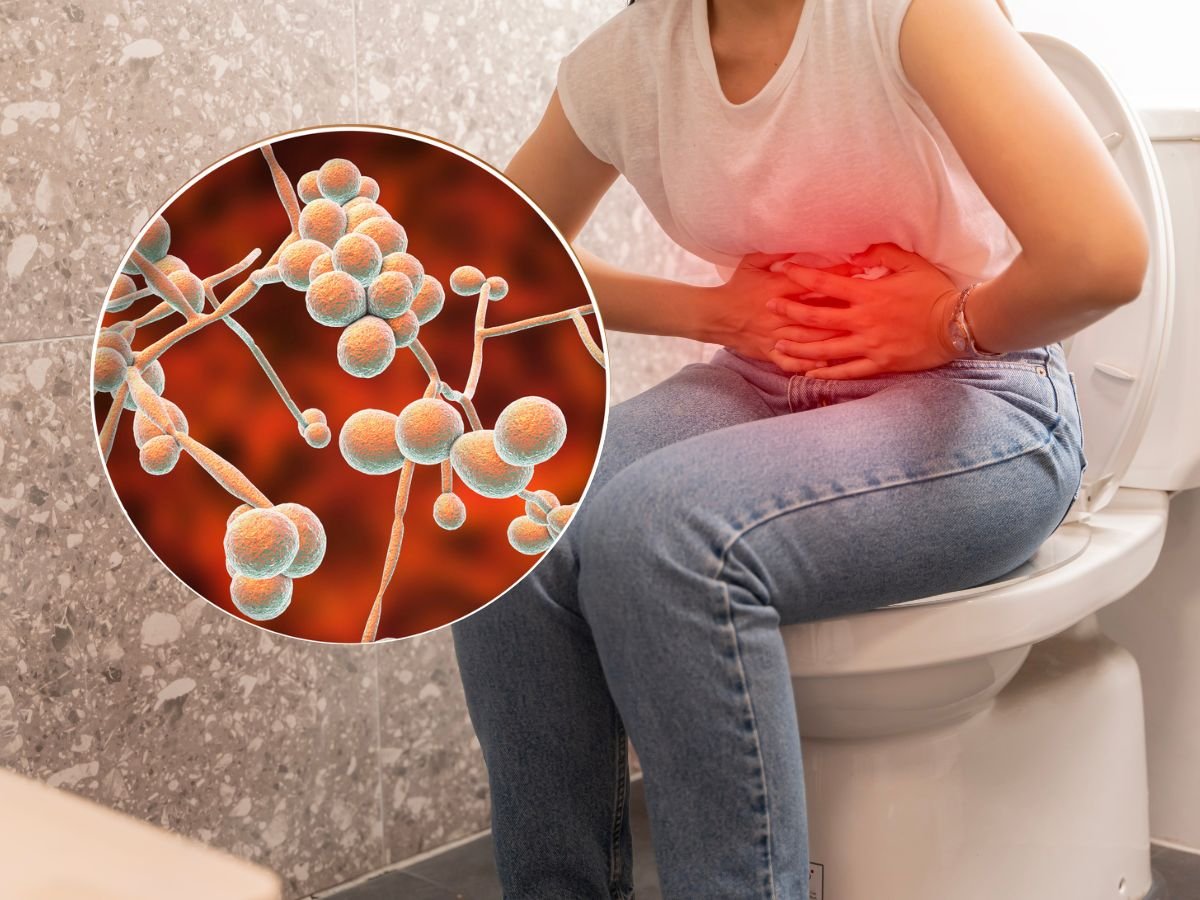
That said, there are definitely signs that warrant a visit to your doctor. A strong, persistent, or unusual smell – particularly fishy – is worth investigating. Itching, burning, unusual discharge that’s green or yellow, or any pain should all be assessed by a professional. The response in those situations is not to clean more aggressively – it’s to get a proper diagnosis and treatment.
Disclaimer: The information provided in this article by Healthwire Media is for general informational and educational purposes only. It is not intended to replace professional medical advice, diagnosis, or treatment. While we strive to provide accurate and up-to-date information based on trusted sources such as WHO, Mayo Clinic, and government health guidelines, medical information can change over time. Always consult a qualified doctor or healthcare professional before making any health-related decisions, especially if you have any existing medical conditions or concerns. Do not ignore or delay seeking medical advice based on information you have read on this website. For more details, please read our full Medical Disclaimer page.














Leave a comment