

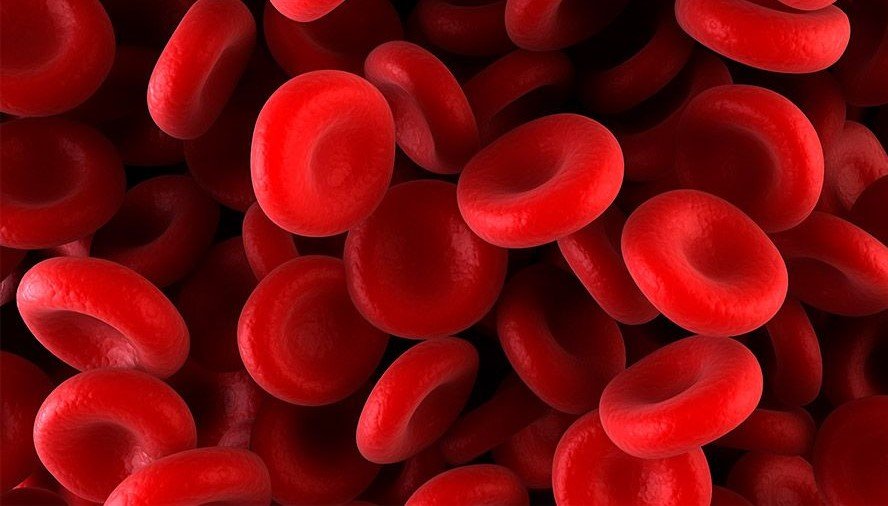
New Delhi, 11 December 2024: In a groundbreaking achievement, Indian scientists have developed the world’s first human gene therapy for Haemophilia A, a genetic disorder that impairs the blood’s ability to clot. This revolutionary advancement in medical science offers new hope for the millions of people suffering from this debilitating condition, potentially transforming the way Haemophilia A is treated in the future.
Understanding Haemophilia A
Haemophilia A is a rare inherited disorder in which the blood does not clot properly due to a deficiency of clotting factor VIII. This leads to excessive bleeding, even from minor injuries, and in some cases, spontaneous internal bleeding. Patients with Haemophilia A often experience joint damage, muscle bleeds, and other severe complications. Currently, the most common treatment for this condition involves regular infusions of factor VIII, but this approach requires lifelong treatment and comes with several challenges, including high costs and the risk of developing resistance to the clotting factors.
The development of a gene therapy treatment for Haemophilia A offers a potential permanent solution to this problem, providing an alternative to traditional therapies and offering the possibility of a better quality of life for those affected.
India’s Revolutionary Gene Therapy
The innovative gene therapy was developed by a team of researchers at the Indian Institute of Technology (IIT) and other renowned medical institutions. The therapy is designed to address the underlying cause of Haemophilia A by introducing a functional copy of the missing clotting factor VIII gene into the patient’s DNA. This allows the body to produce its own clotting factor, significantly reducing or even eliminating the need for regular infusions.
The therapy was tested successfully in preclinical trials, demonstrating the ability to restore normal clotting function in animal models. Encouraged by these results, the team is now preparing for clinical trials in human patients. If successful, this therapy could become the first of its kind to offer a one-time cure for Haemophilia A.
How the Gene Therapy Works for Haemophilia A
Gene therapy involves modifying or replacing defective genes inside a patient’s cells to treat or cure diseases. In the case of Haemophilia A, the defective gene responsible for the lack of clotting factor VIII is replaced by a healthy copy. Scientists use advanced techniques to deliver the healthy gene into the patient’s liver cells, where the clotting factor is produced.
Once the healthy gene is integrated into the patient’s genome, the liver cells begin producing factor VIII at normal levels. This process has the potential to restore normal blood clotting function, eliminating the need for ongoing factor VIII infusions. The therapy has shown promising results in preclinical trials, with treated animals demonstrating improved blood clotting and a significant reduction in bleeding episodes.
Potential Benefits and Implications
The development of gene therapy for Haemophilia A represents a significant leap forward in the treatment of genetic disorders. If successful in human trials, this therapy could not only revolutionize the management of Haemophilia A but also pave the way for similar treatments for other genetic diseases. A one-time gene therapy treatment would alleviate the lifelong burden of frequent injections and the risk of complications, such as joint damage and bleeding disorders.
Additionally, gene therapy could potentially lower the long-term costs of treatment, as patients would no longer need regular factor VIII infusions, which are expensive and logistically challenging. By eliminating the need for continuous medical interventions, this therapy could improve the quality of life for patients, allowing them to lead more normal, active lives.
Haemophilia A: Challenges and Future Outlook
While this gene therapy offers exciting possibilities, there are still several hurdles to overcome before it can become widely available. Clinical trials in humans are still in the early stages, and long-term studies will be needed to determine the therapy’s effectiveness, safety, and potential side effects. Additionally, gene therapy is a complex and costly procedure, and its widespread use will require overcoming challenges related to accessibility and affordability, especially in low- and middle-income countries.
However, the success of the initial trials and the potential for gene therapy to revolutionize the treatment of Haemophilia A marks a significant milestone in the field of genetic medicine. As more research is conducted, there is hope that similar therapies could be developed for other genetic disorders, offering new hope to patients around the world.
India’s development of the first human gene therapy for Haemophilia A represents a monumental breakthrough in medical science. This innovative therapy offers the potential for a permanent cure for individuals suffering from Haemophilia A, greatly improving their quality of life and reducing the need for ongoing treatments. As clinical trials continue, this gene therapy could become a game-changer in the fight against genetic disorders, with far-reaching implications for the future of medicine.
















Leave a comment