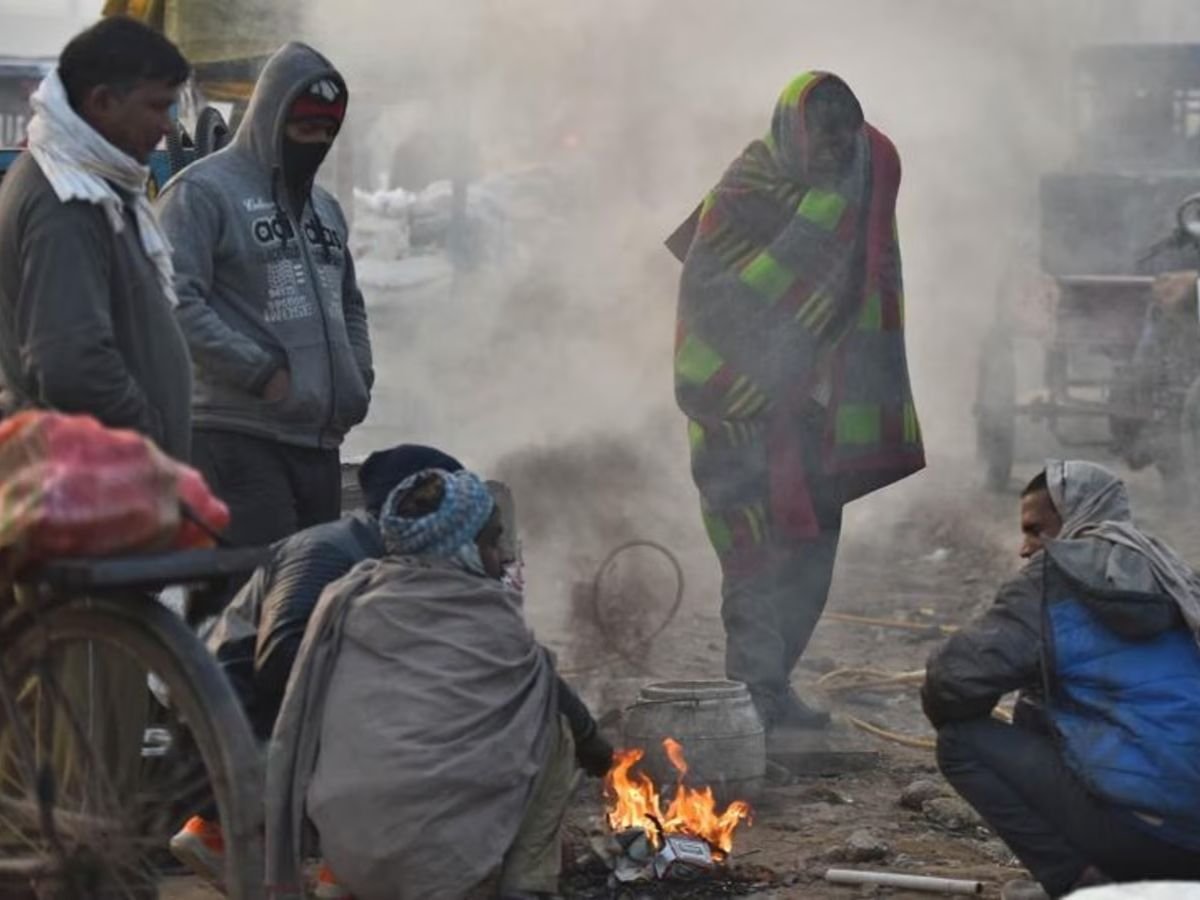
New Delhi, 08 January 2026: As cold waves sweep across parts of the country, experts are warning that exposure to extreme cold can be life-threatening, leading to a condition known as hypothermia. Understanding the warning signs is crucial for protecting yourself and your loved ones.
What Is Hypothermia?
Hypothermia occurs when the body loses heat faster than it can produce it, causing core body temperature to drop below 35°C (95°F). This can affect the brain, heart, and other vital organs, leading to confusion, unconsciousness, or even death if untreated.
Cold weather alone isn’t always enough to cause hypothermia—it’s often triggered by prolonged exposure to wet, windy, or freezing conditions, especially without proper clothing or shelter.
As bone-chilling cold waves sweep across large parts of the country, health experts are warning about the dangers of hypothermia, a condition that can become life-threatening if ignored. Hypothermia occurs when the body loses heat faster than it can produce it, causing the core temperature to drop below 35°C (95°F). This affects vital organs like the brain and heart, and prolonged exposure can lead to confusion, unconsciousness, or even death. It is not only freezing temperatures but also wet, windy, or damp conditions that increase the risk, especially for those without proper winter clothing or shelter.
Recognizing the early warning signs of hypothermia is crucial. The CDC notes that shivering, cold or bluish skin, fatigue, confusion, and slurred speech are common indicators. Even mild hypothermia can impair judgment, making it difficult for a person to take necessary precautions. If the condition progresses, severe hypothermia can set in, marked by the cessation of shivering, slow pulse and breathing, stiff muscles, and loss of consciousness. According to the WHO, delayed medical intervention in such cases significantly increases the risk of fatality.
Who Is At High Risk?
Certain groups are particularly vulnerable to hypothermia, including the elderly, infants, people with chronic illnesses like heart disease or diabetes, homeless individuals, and those who spend prolonged periods outdoors. Preventive measures recommended by doctors and the NHS include dressing in layered, insulated clothing, covering extremities like hands, feet, and head, staying dry, limiting exposure to cold wind, keeping active, and avoiding alcohol, which impairs the body’s ability to retain heat.
How To Tackle Any Medical Emergency?
If someone shows signs of hypothermia, immediate action is vital. They should be moved to a warm, sheltered environment, wet clothing should be removed, and they should be wrapped in blankets or warm clothes. Warm (not hot) drinks can be offered if the person is conscious, and urgent medical attention should be sought without delay. Hypothermia can escalate quickly, and even a short exposure to extreme cold can turn fatal. Recognizing the warning signs early, taking preventive measures, and acting promptly can save lives during severe cold waves.