

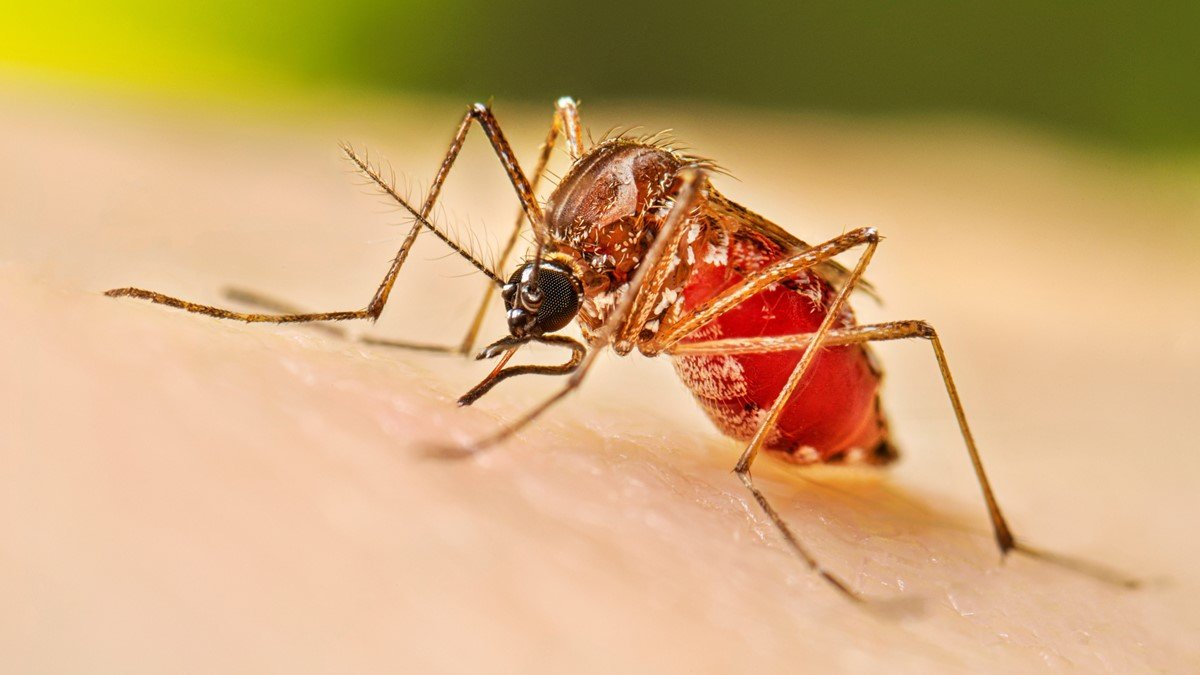
New Delhi, 18 September, 2025: As the dengue virus continues to spread across Delhi and neighboring regions, healthcare professionals are urging people to be extra vigilant. Hospitals are reporting a surge in dengue cases, especially with changing weather patterns and increased mosquito breeding sites. Dengue fever, caused by the bite of the Aedes aegypti mosquito, can quickly escalate from mild flu-like symptoms to severe complications, including internal bleeding and organ failure.
Doctors emphasize that prevention is the strongest weapon against dengue since there is no specific antiviral treatment available. In this article, we will break down expert-recommended strategies to help you and your family stay safe, along with clear guidance on recognizing symptoms, preventive measures, and what to do if you suspect an infection.
Understanding Dengue: Why Delhi Is at Risk
Delhi’s climate and high population density create favorable conditions for mosquito breeding. During the monsoon and post-monsoon seasons, stagnant water collects in puddles, drains, construction sites, and even flower pots, becoming prime breeding grounds for Aedes mosquitoes.
The concerning part is that Aedes aegypti mosquitoes bite during the day, unlike malaria-causing mosquitoes that are active at night. This increases exposure risk as people go about daily activities.
Doctors in Delhi warn that delayed diagnosis and lack of awareness often make dengue deadlier. Knowing the early signs and adopting preventive practices can save lives.
Early Symptoms of Dengue You Should Never Ignore
While dengue symptoms can mimic those of flu or viral fever, being aware of the specific red flags helps in early detection. Common symptoms include:
- Sudden high fever (often 104°F or above)
- Severe headache
- Pain behind the eyes
- Joint and muscle pain (“breakbone fever”)
- Nausea and vomiting
- Skin rash appearing 2–5 days after fever
- Mild bleeding (such as gum bleeding or nosebleeds)
If symptoms worsen to severe abdominal pain, persistent vomiting, bleeding gums, difficulty breathing, or extreme fatigue, it may indicate severe dengue, which requires immediate hospitalization.
Doctor’s Proven Tips to Stay Safe From Dengue
1. Eliminate Mosquito Breeding Sites
Doctors stress that prevention begins at home. The Aedes mosquito breeds in clean, stagnant water, and it takes just 7–10 days for larvae to develop into adult mosquitoes.
- Empty and scrub water containers regularly.
- Change water in coolers, flower vases, and pet bowls frequently.
- Cover water tanks and buckets.
- Ensure drains and gutters are unclogged.
2. Protect Yourself From Mosquito Bites
Since dengue mosquitoes bite during the day, protective clothing and repellents are crucial.
- Wear long-sleeved shirts, full-length trousers, and socks.
- Apply mosquito repellents containing DEET, picaridin, or lemon-eucalyptus oil.
- Use mosquito nets even during daytime naps.
- Install mesh screens on windows and doors.
3. Maintain Clean Surroundings
Communities play a big role in dengue prevention. Accumulated garbage and construction waste become hotspots for mosquitoes.
- Dispose of discarded tires, cans, and bottles properly.
- Cover dustbins tightly.
- Participate in neighborhood cleanliness drives.
4. Strengthen Immunity Through Diet
Doctors highlight that while immunity alone cannot prevent dengue, a strong immune system can help fight off infection more effectively.
- Include vitamin C-rich foods (oranges, amla, guava) for improved resistance.
- Eat protein-rich foods like pulses, eggs, and lean meat to support recovery.
- Drink adequate water to stay hydrated.
5. Use Mosquito Control Measures at Home
Simple household strategies can reduce mosquito density indoors.
- Use mosquito coils, vaporizers, or plug-in repellents.
- Spray insecticides in dark corners and under furniture.
- Keep indoor air circulating with fans since mosquitoes dislike moving air.
What to Do If You Suspect Dengue
Doctors caution against self-medication. If you develop fever and body pain during dengue season, consult a doctor immediately.
Medical Guidance Includes:
- Blood Tests: To confirm dengue and rule out other infections like malaria or chikungunya.
- Avoid Painkillers Like Ibuprofen or Aspirin: These increase the risk of bleeding. Paracetamol is recommended for fever and pain.
- Hydration Therapy: Patients are advised to drink fluids like ORS, coconut water, soups, and juices to prevent dehydration.
- Hospitalization: Severe dengue may require IV fluids, platelet monitoring, and critical care.
- Why Early Detection Saves Lives
Dengue often goes undetected until platelet counts drop dangerously. Doctors highlight that early detection allows supportive treatment, which drastically reduces fatality rates.
In Delhi, health authorities are conducting awareness drives, fumigation, and mosquito surveillance. Still, individual precautions remain the most powerful shield.
Misconceptions About Dengue That Doctors Want to Clarify
- “Dengue spreads from person to person.”
False. Dengue spreads only through mosquito bites, not direct contact. - “Papaya leaf juice cures dengue.”
While papaya leaves are believed to help platelet production, there is no scientific proof. It should never replace medical care. - “Only dirty water breeds dengue mosquitoes.”
Wrong. Aedes mosquitoes breed in clean, stagnant water found in household containers. - “Once you get dengue, you can’t get it again.”
Untrue. There are four dengue virus strains, and infection with one strain does not protect against others.
Community Efforts Against Dengue in Delhi
Doctors emphasize that dengue control cannot be achieved by individuals alone. Communities and government authorities must work together.
- Local municipal bodies conduct fogging and fumigation drives.
- Schools educate children about preventive practices.
- Hospitals are equipped with dedicated fever clinics for early testing.
- Citizens are encouraged to report stagnant water sites to civic authorities.
Doctor’s Final Word: Prevention Is Better Than Cure
A leading infectious disease specialist in Delhi sums it up:
“Dengue is a preventable disease. If households ensure no stagnant water and individuals use protection against mosquito bites, we can cut down transmission significantly. The key is awareness and community participation.”
Delhi’s battle with dengue highlights the urgent need for both personal and community-level action. Since there is no specific cure, prevention through mosquito control, personal protection, and early medical consultation is the only way forward.
By adopting the simple but effective tips shared by doctors—like eliminating breeding grounds, wearing protective clothing, using repellents, maintaining hygiene, and boosting immunity—you can safeguard your family’s health.
In the fight against dengue, vigilance and awareness are your strongest defenses.
















Leave a comment