Home Health News Dental How Eating Sweets Daily Damages Your Teeth: Expert Tips to Prevent Cavities and Gum Problems
Dental

How Eating Sweets Daily Damages Your Teeth: Expert Tips to Prevent Cavities and Gum Problems

Share
Number of teeth and the presence of gum disease were correlated with changes in the left hippocampus.
Share

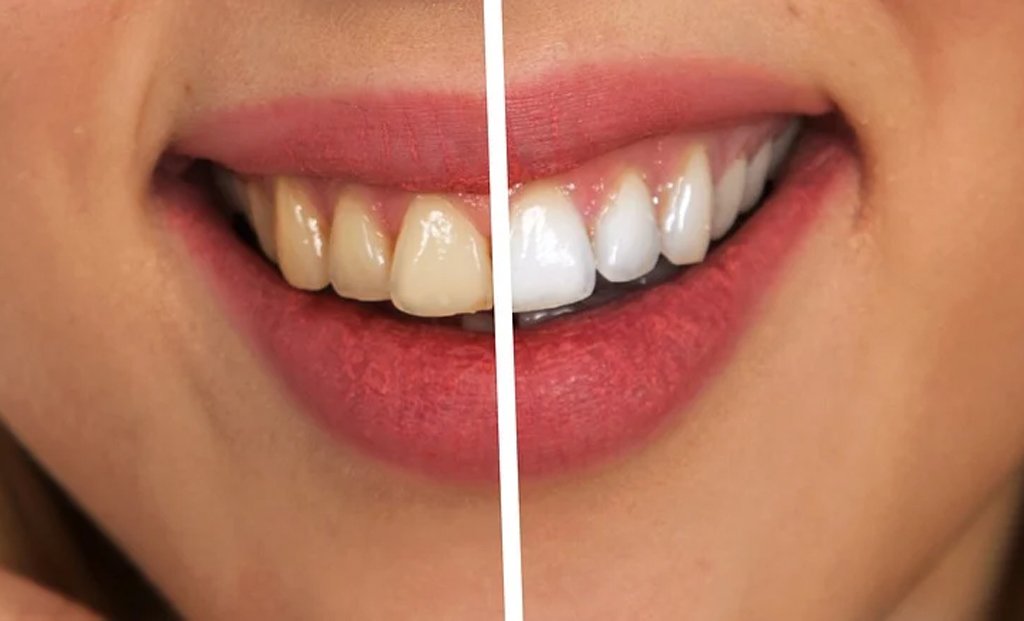
Indulging in sweet food is something that most people do every day. But if you consume sugar every day, it can damage your teeth. The bad bacteria in your mouth use the sugar that is left behind as food. When they eat sugar, they make acid that can slowly damage the enamel of their teeth. This can cause your teeth to become sensitive, and you can even get cavities and gum problems.

Why is snacking on sweets harmful?

According to Dr Jaineel Parekh, Orthodontist, Laxmi Dental Limited, “When you eat snacks between meals, the sugar can stay on your teeth for a long time. This is when the real damage can happen. One way to keep your teeth safe is to not eat sweets between meals. It is better to have sweets when you are eating your meal. When you eat your meals, your mouth creates excess saliva, which helps wash off the food and makes your mouth less acidic. If you eat sweets all day, your teeth get exposed to repeated acid attacks that can gradually damage your teeth.”

Simple habits to protect your teeth

“Another way to keep your mouth healthy is to rinse it with water after you eat something. This helps to get rid of the sugar and food that the bad bacteria need to survive. If you want to brush your teeth after eating sweets or acidic foods, it is best to wait a little while, as this gives saliva time to neutralise acids and helps protect the enamel. You should still brush your teeth twice a day with fluoride toothpaste and floss daily to help prevent cavities and keep your gums healthy,” the doctor further added.

Smart food choices for better oral health

When choosing what to eat, try to reduce how often your teeth are exposed to sugar. If you do have something sweet, it is better to have it with a meal rather than as a snack, since this gives your teeth more time to recover between acid attacks. Choosing less sticky sweets can also help, as sticky foods tend to cling to the teeth for longer. Where possible, opt for lower-sugar alternatives or prepare treats with less added sugar instead of relying on heavily sweetened packaged sweets.

Why drinking water matters?

Drinking water is very important for keeping your teeth and mouth healthy. Staying hydrated helps your mouth maintain a healthy flow of saliva, which washes away food particles and helps neutralise acids. Drinking enough water can also help reduce the symptoms of dry mouth, a condition that can increase the chances of tooth decay and bad breath.

You do not have to stop eating sweets to keep your teeth healthy. With the right care and mindful habits, you can still enjoy your favourite foods while protecting your teeth. Remember, a healthy smile is an important reflection of overall well-being.

Disclaimer: Dear readers, this article provides general information and advice only. It is not at all professional medical advice. Therefore, always consult your doctor or a healthcare specialist for more information.

Share
Written by
Swapna Karmakar

Swapna Karmakar is an experienced Health Journalist and the Editorial Lead at Healthwire Media. She has a background in investigative reporting and a deep interest in community health and regulatory updates within the medical sector. Swapna focuses on bridging the gap between healthcare providers and patients by crafting narratives that simplify medical terminology without losing clinical depth. Her research process involves analyzing peer-reviewed journals and official regulatory notifications from bodies like the National Medical Commission (NMC) to provide timely news to both healthcare professionals and the general public. Swapna’s work is characterized by a commitment to transparency and evidence-based reporting. Outside of health reporting, she is an avid traveler and explorer of cultural landscapes. 

Leave a comment

Leave a Reply

Your email address will not be published. Required fields are marked *

Don't Miss

Gastroenterology

Lancet Study Warns: 3 Biggest Risk Factors Driving Liver Disease Surge to 1.8 Billion by 2050

A major global health warning has emerged from a recent study published in The Lancet, highlighting a dramatic rise in liver disease cases...

Health NewsLifestyle

Mounjaro for Weight Loss: Is It Safe or Just a Shortcut? Experts Warn About Risks of Rapid Weight Loss

These days, the name Mounjaro is gaining significant popularity in the weight loss space. Originally developed to treat Type 2 diabetes, this medication...

Lifestyle & Wellness

Expert Explains: Frequent Headaches in Women? Hormones Could Be the Hidden Reason

One of the most frequent health complaints amongst women is headaches but when they start to become very frequent then many of them...

Obstetrics & Gynecology

Egg Pooling in IVF: How This Technique Boosts Fertility Success for Women with Low Egg Count

The technique of egg pooling is proving to be quite beneficial for females with a lower egg count and those who want to...

Gastroenterology

Fatty Liver Crisis? MASLD Cases Up 143% Globally—Experts Share Key Prevention Strategies

Another disturbing health trend has emerged as the number of cases of Metabolic dysfunction-associated steatotic liver disease (MASLD) has been increasing exponentially in...

Section title

Related Articles
oral implant
Dental

World Health Day 2026: Why early detection of oral cancer by dentists can save lives

World Health Day is a reminder that good health begins with awareness...

oral implant
Dental

How to Prevent Tooth Decay: 5 Simple Oral Hygiene Tips for Strong Ename

Oral health should be on everyone’s mind all year round. We all...