Home Health News HMPV Cases: Health Ministry Urges States to Strengthen Surveillance as Infections Rise to 7
Health NewsLatest News

HMPV Cases: Health Ministry Urges States to Strengthen Surveillance as Infections Rise to 7

Share
Virus
Virus
Share

New Delhi, 07 January 2025: The Health Ministry of India has issued an advisory to all states and Union Territories to enhance surveillance and preparedness in light of the rising cases of Human Metapneumovirus (HMPV) in the country. With the tally reaching seven confirmed cases, including cases in Karnataka, Gujarat, and Maharashtra, the ministry is taking proactive steps to prevent further spread and ensure swift response measures.

HMPV: A Growing Concern

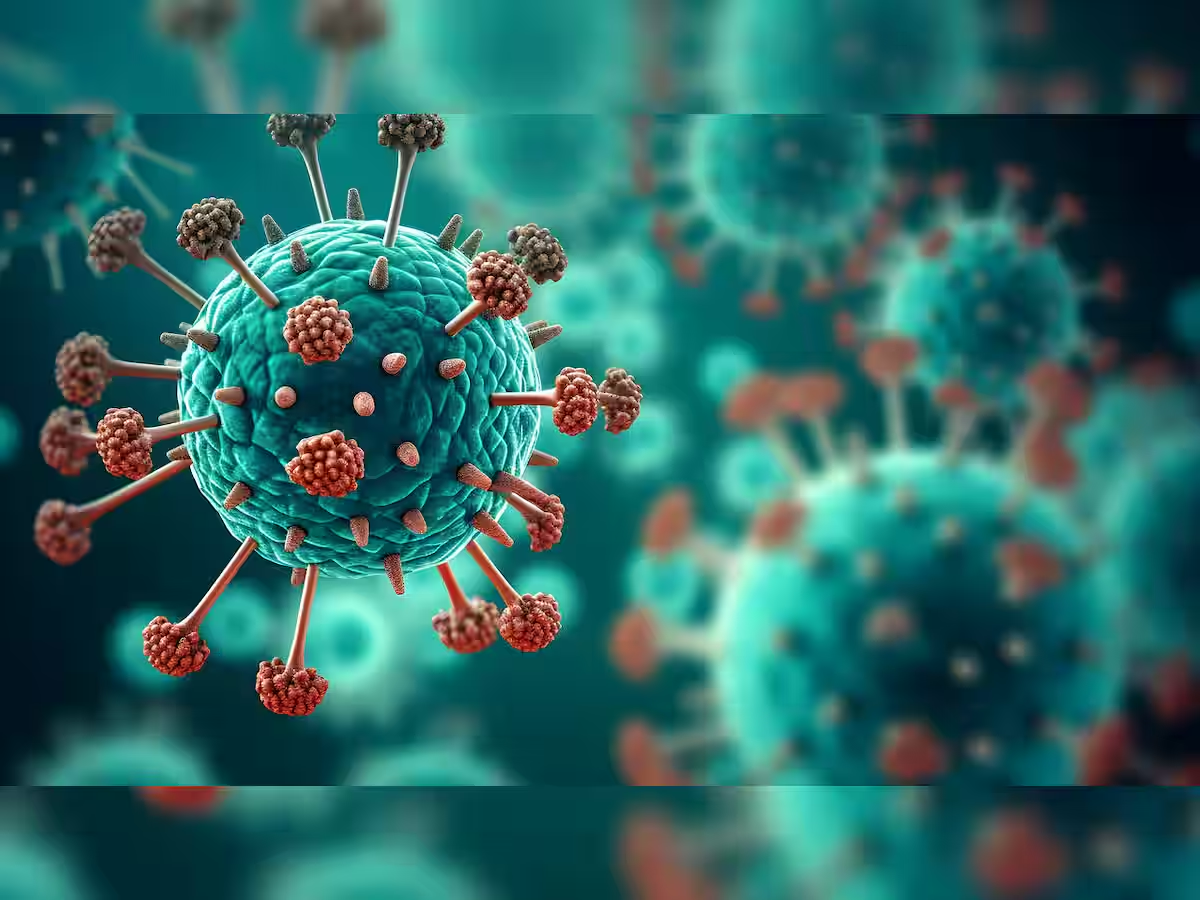
Human Metapneumovirus (HMPV) is a respiratory virus first identified in 2001 by Dutch researchers. It primarily affects the upper and lower respiratory tracts, with symptoms ranging from mild cold-like effects to severe illnesses such as pneumonia and bronchitis.

The virus spreads through respiratory droplets, much like influenza or COVID-19, and poses a higher risk to vulnerable groups, including infants, elderly individuals, and those with weakened immune systems.

Current Situation in India

As of now, seven confirmed cases of HMPV have been reported across different states:

Karnataka: An 8-month-old infant tested positive after being admitted to a Bengaluru hospital with severe respiratory symptoms.

Gujarat: A 2-month-old baby has been diagnosed, prompting the state to issue a high alert.

Maharashtra: Additional cases have been identified in children, leading to heightened surveillance.

    Health officials have expressed concerns over the virus’s potential to spread rapidly, especially in urban areas with dense populations.

    Health Ministry’s Directives

    In response to the increasing cases, the Health Ministry has directed states to take the following measures:

    Collaborate with global health agencies to explore vaccine development for long-term management of HMPV.

    Enhance Surveillance:

    Strengthen monitoring of flu-like illnesses in healthcare facilities.

    Report suspected cases of severe respiratory infections promptly.

    Establish Testing Protocols:

    Ensure adequate diagnostic facilities for HMPV testing in hospitals and labs.

    Focus on testing vulnerable groups, including children and the elderly.

    Prepare Healthcare Infrastructure:

    Equip hospitals with isolation wards and ventilators for severe cases.

    Train healthcare workers to identify and manage HMPV cases effectively.

    Public Awareness Campaigns:

    Educate the public about HMPV symptoms and preventive measures.

    Encourage individuals with symptoms to seek medical attention early.

    HMPV is not a new virus, having been present in the environment for over two decades. However, its recent surge in cases globally, particularly in China and now India, has prompted comparisons to the early stages of the COVID-19 pandemic. Experts have clarified that while the virus is concerning, it does not pose the same pandemic-level threat as COVID-19.

    Share
    Written by
    kirti Shah

    Kirti is a Health Editor at Healthwire Media, specializing in health journalism and digital health communication. With over four years of experience in the healthcare media landscape, she is dedicated to transforming complex clinical data into accessible, patient-friendly information. Kirti oversees the editorial lifecycle of every article, ensuring they meet rigorous fact-checking standards and align with the latest guidelines from primary sources like the WHO and Ministry of Health. In her role, Kirti works closely with a panel of board-certified physicians and medical reviewers to ensure that every piece of content published is not only easy to understand but also medically accurate and safe for the public. She is passionate about health literacy and helping readers navigate their wellness journeys with confidence.

    Leave a comment

    Leave a Reply

    Your email address will not be published. Required fields are marked *

    Don't Miss

    Bundibugyo Ebola virus
    International NewsVirus & DiseaseWHO

    From Fever To Organ Failure: How The Bundibugyo Ebola Virus Affects The Body

    The Bundibugyo Ebola virus outbreak has raised fresh global health concerns as infections continue to spread across parts of Central and East Africa....

    WHO
    Health TipsInternational NewsLatest NewsLifestyle & WellnessWHO

    WHO Issues First Type 1 Diabetes Guidelines for Adults: 7 Things Patients Need to Know

    More than 100 years after the discovery of insulin, millions of people living with type 1 diabetes continue to face challenges in accessing...

    Breast Cancer
    Health NewsOncology

    Mammogram vs Ultrasound vs MRI: Which Breast Cancer Screening Test Is Right for You?

    Breast cancer is one of the most common cancers affecting women worldwide, and early detection plays an important role in improving treatment outcomes....

    Always Tired? It Could Be Anaemia!
    Diet & NutritionHealth NewsHealth TipsLifestyleLifestyle & WellnessWellness

    Anaemia in India: Why Iron Deficiency Remains a Concern and 7 Signs You Should Not Ignore

    Feeling tired all the time, experiencing frequent dizziness or getting breathless after climbing a few stairs? While these symptoms are often dismissed as...

    N95 Mask
    Health TipsLatest NewsLifestyle & WellnessWellness

    Does Wearing an N95 Mask Protect You From PM2.5 Pollution? Doctors Explain How To Choose And Wear It Correctly

    As air pollution continues to affect several Indian cities during winter, wearing a mask has become an important precaution for people stepping outdoors....

    Section title