

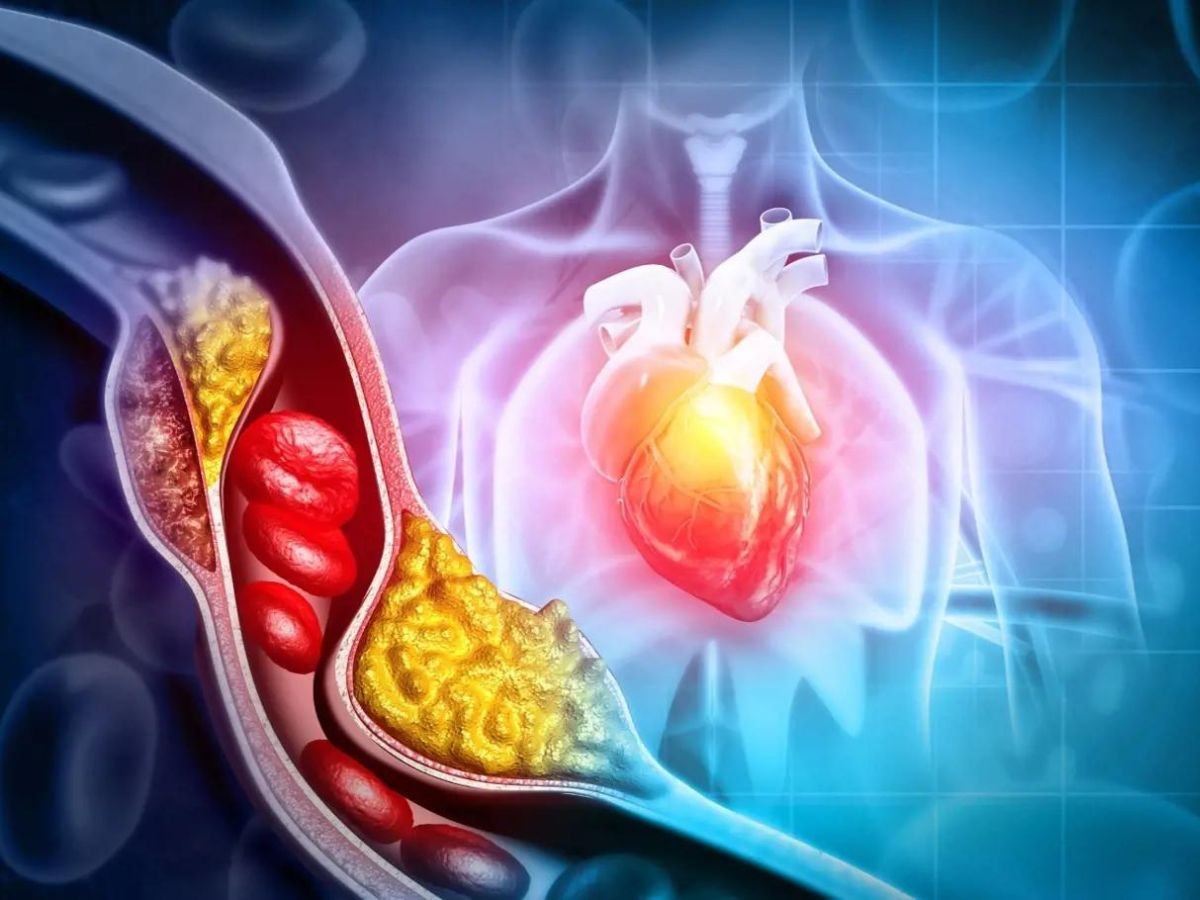
New Delhi, 20 October 2025: High cholesterol is one of the most underestimated health risks in men, often progressing silently and without symptoms—until it triggers a life-threatening event like a heart attack. Elevated levels of LDL (low-density lipoprotein) cholesterol can lead to the gradual buildup of plaque in arteries, a condition called atherosclerosis. Over time, this narrows blood vessels, reduces blood flow to the heart, and increases the risk of a sudden cardiac event. For men, the danger is particularly pronounced as early symptoms are frequently missed or ignored. Recognizing the early signs of cholesterol-induced heart trouble can be the difference between timely intervention and fatal outcomes.
1. Chest Discomfort That Feels ‘Off’
Chest pain or discomfort is the most recognizable symptom of an impending heart attack, but men often mistake it for indigestion, muscle strain, or gas. The sensation may feel like pressure, tightness, squeezing, or burning and can come and go rather than being constant. Some may feel it in the center or left side of the chest. Even mild or temporary discomfort should never be ignored, especially if you have high cholesterol or a family history of heart disease.
2. Pain That Radiates to the Arm, Neck, or Jaw
One of the most overlooked signs of a heart attack in men is radiating pain. It may travel from the chest to the left arm, back, neck, or jaw. This kind of referred pain occurs due to nerve pathways in the heart overlapping with other parts of the upper body. Some men feel only this secondary pain and not chest discomfort, which is why it can be missed or misdiagnosed.
3. Shortness of Breath, Even Without Exertion
If climbing stairs, walking short distances, or even sitting still suddenly feels harder than usual, it could be a warning sign. High cholesterol can cause arteries to stiffen and narrow, reducing the oxygen-rich blood supply to the heart. As a result, men may experience difficulty breathing or feel winded for no clear reason—well before any chest pain begins. This symptom is especially alarming when paired with fatigue or light-headedness.
4. Sudden Fatigue and Weakness
Unusual and persistent fatigue in men—especially when it hits suddenly and without a clear cause—can signal that the heart is not pumping efficiently due to blocked arteries. The body has to work harder to circulate oxygen, leading to extreme tiredness. This is often ignored as work-related stress or aging, but when linked with high cholesterol and other risk factors, it becomes a serious red flag.
5. Cold Sweats, Nausea, or Dizziness
Sweating profusely despite cool temperatures, feeling nauseated without illness, or experiencing dizziness and lightheadedness are subtle but critical signs of a heart attack. These autonomic symptoms occur as the body responds to decreased blood flow and the heart’s distress. Men may often attribute them to anxiety, dehydration, or digestive issues, delaying medical attention when they need it most.
High cholesterol doesn’t announce itself with obvious symptoms—its first warning may be a heart attack. That’s why understanding and acting on the subtle early signs is crucial, especially for men over 40 or those with sedentary lifestyles, poor diets, or a family history of heart disease. Regular health checkups, cholesterol screenings, heart-healthy diets, and physical activity are essential to reduce risk. But perhaps even more important is paying close attention to what your body is telling you. When it comes to heart health, no unusual symptom should be brushed aside. Early recognition and response can save your heart—and your life.











Leave a comment